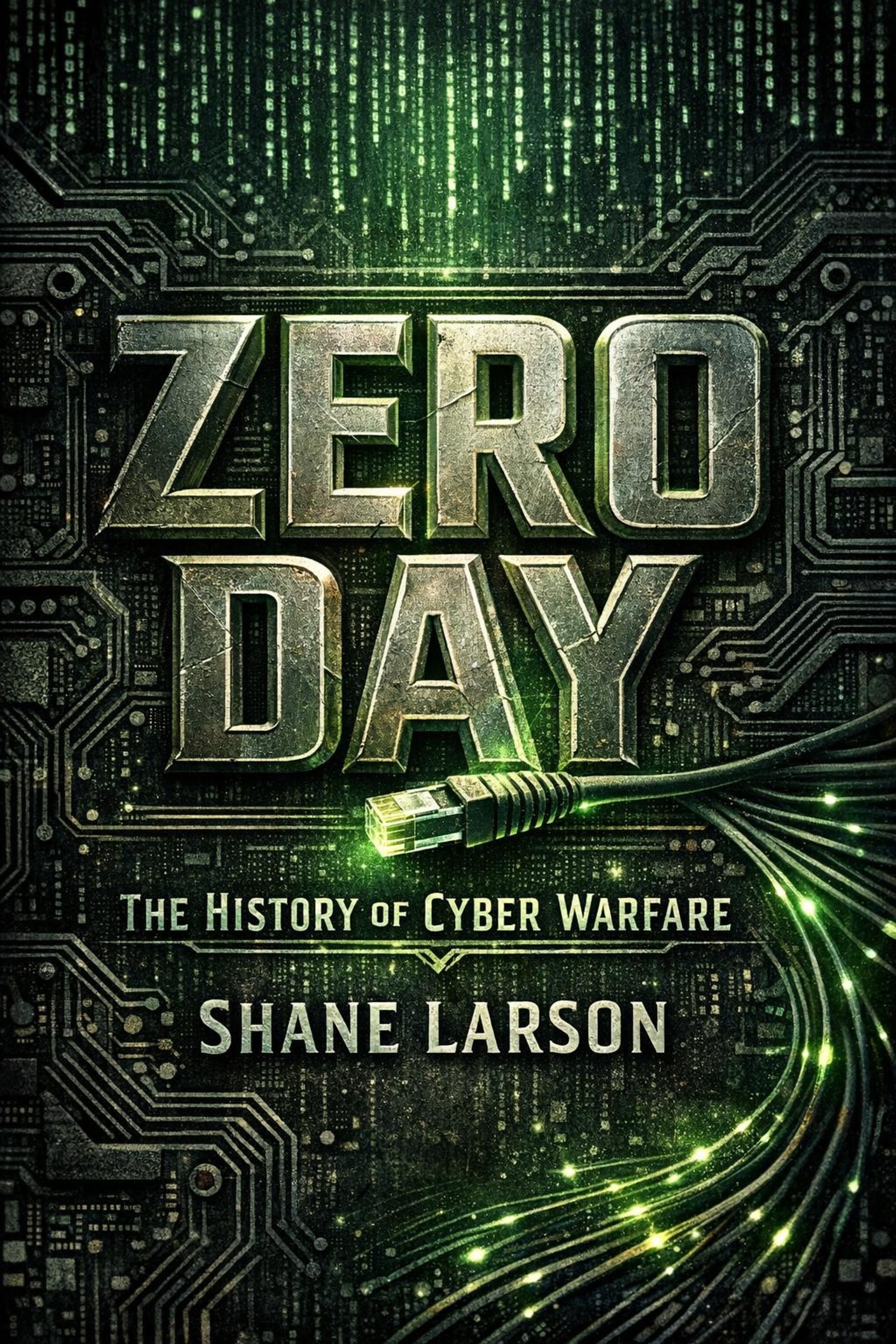
Zero Day
The History of Cyber Warfare
By Shane Larson · Digital Outlaws
About This Book
Deep inside a fortified facility in the Iranian desert, centrifuges began to tear themselves apart. Spinning at tens of thousands of revolutions per minute, they surged and stalled on commands no operator had given. The engineers watching the control screens saw nothing wrong — the monitoring systems reported perfect, ordinary readings, because the same malicious code that was destroying the machines was also feeding the operators a recording of a normal day. For months, one of the most sensitive sites on earth was being sabotaged by software, and the people running it could not figure out why their hardware kept failing.
That attack, later named Stuxnet, was the moment the world learned that a line of code could reach across an air gap and physically wreck a machine. It did not come from teenagers or thieves. It carried the fingerprints of nation-states. And it was only one chapter in a conflict that had been quietly escalating for decades and shows no sign of stopping.
This is a narrative history of that conflict — four decades of digital warfare traced from the first accidental infection of the internet to the era of state-sponsored cyber armies, weaponized software supply chains, and ransomware crews capable of shutting down a fuel pipeline that supplies half a coast.
The Story
The internet was built by people who trusted each other, and that original trust is the flaw every attacker since has exploited. What began as curiosity — a graduate student's experiment that spiraled out of control and knocked a tenth of the early network offline — matured into organized crime, then into espionage, and finally into a permanent domain of geopolitical competition sitting alongside land, sea, air, and space.
Zero Day follows that escalation as a continuous story rather than a catalog of incidents. It shows how the hacker underground of the 1980s planted the cultural seeds; how nation-states moved their spying permanently online through campaigns like Moonlight Maze and Titan Rain; how China industrialized the theft of intellectual property on a scale that reshaped whole industries; and how the United States, Israel, Russia, North Korea, and Iran each crossed thresholds that could not be uncrossed.
The pattern that emerges is uncomfortable. The same weaknesses get exploited again and again. Attackers innovate faster than defenders can respond. The line between criminal and combatant has dissolved to the point where a ransomware gang and a military unit can use the same tools against the same target. And the legal framework meant to govern any of it barely exists. By the time the book reaches the present — hospitals held hostage, elections targeted, billion-dollar cryptocurrency heists funding weapons programs — the reader understands not just what happened, but why it keeps happening.
Why I Wrote This
I work in enterprise technology, and for years I watched the same conversation play out: a major cyberattack would hit the news, executives would panic for a week, and then everyone would move on without understanding how the incident connected to the twenty that came before it. The headlines treat each breach as a shocking one-off. They almost never are.
I wanted a single book that told the whole arc — not a technical manual, not a think-tank policy paper, but a readable history you could hand to a smart person with no security background and have them come away genuinely understanding how we got here. The individual stories are dramatic enough to carry it. What they add up to is a set of patterns that keep repeating because we keep ignoring them, and I think seeing the pattern is the only thing that makes the next headline comprehensible instead of just frightening.
Frequently Asked Questions
Do I need a technical or cybersecurity background to follow this?
No. Every concept is explained in plain language as the story reaches it, and there is no code, math, or jargon to wade through. It is written for a curious general reader, a business leader, or anyone who wants the big picture without a computer science degree.
Is this a how-to guide for hacking or defense?
No. It is a narrative history of cyber conflict — who did what, when, and what it meant. If you are looking for step-by-step defensive instructions or penetration-testing technique, this is not that book, though it will give you the context to understand why those things matter.
Where should I start in the Digital Outlaws series?
This one. Zero Day is the gateway volume — the connective narrative that ties the individual incident histories together. Once you have the overall arc, the deeper single-subject books on phone phreaking, Stuxnet, the Sony hack, and others fill in the detail.
How current is it?
It runs through the present-day landscape, including the ransomware epidemic, the SolarWinds supply-chain attack, North Korea's cryptocurrency thefts, and the emerging role of AI on both sides of the fight. The final chapters look ahead to autonomous attacks and the quantum-computing threat to encryption.
Is it depressing?
It is honest about a serious subject, but the goal is clarity, not doom. Understanding the pattern is what turns a stream of alarming headlines into something you can actually reason about, and that is the opposite of helpless.
If You Liked This, You Might Like
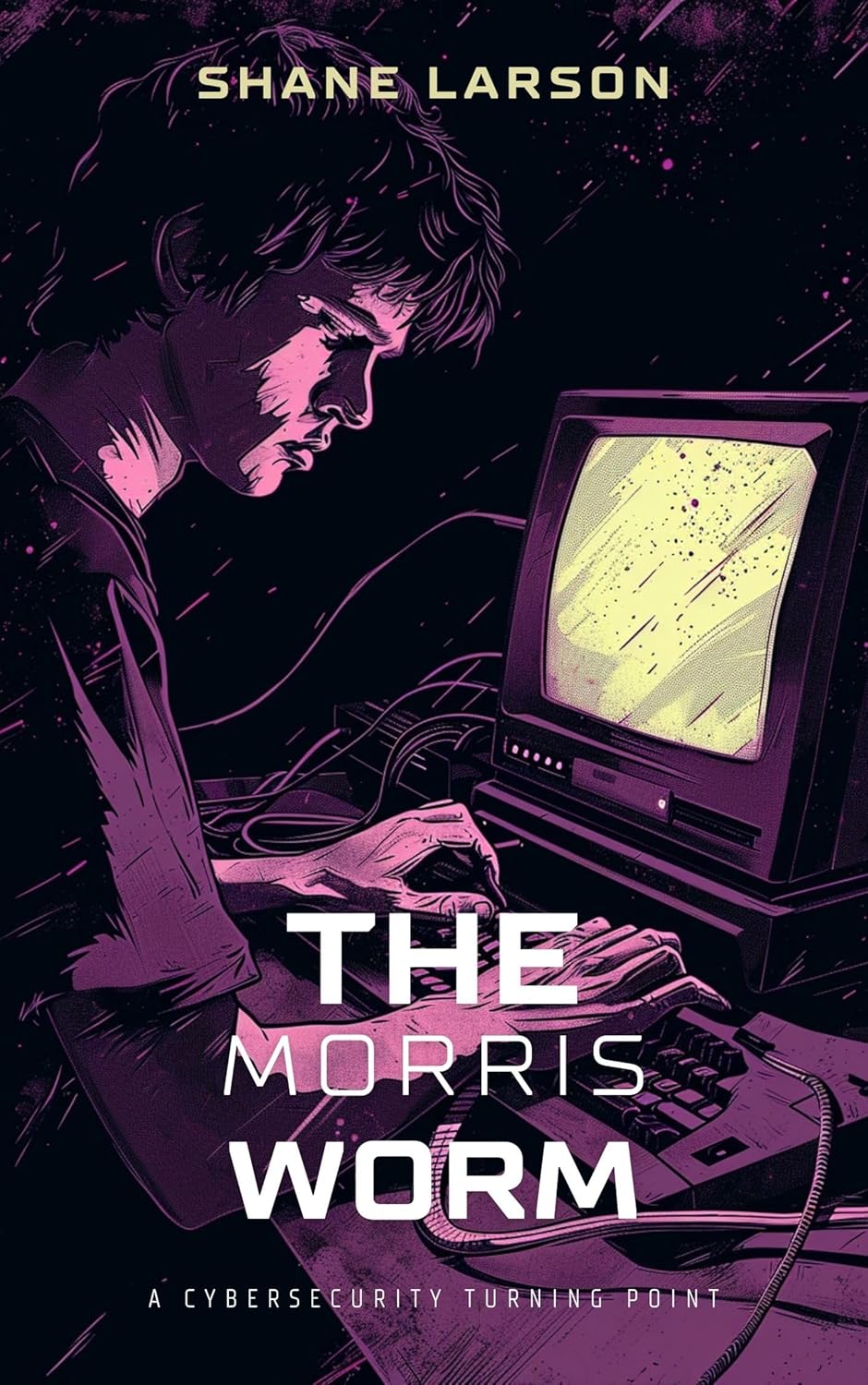
- The Morris Worm: A Cybersecurity Turning Point — the full story of the accidental first shot that Zero Day opens the history with.
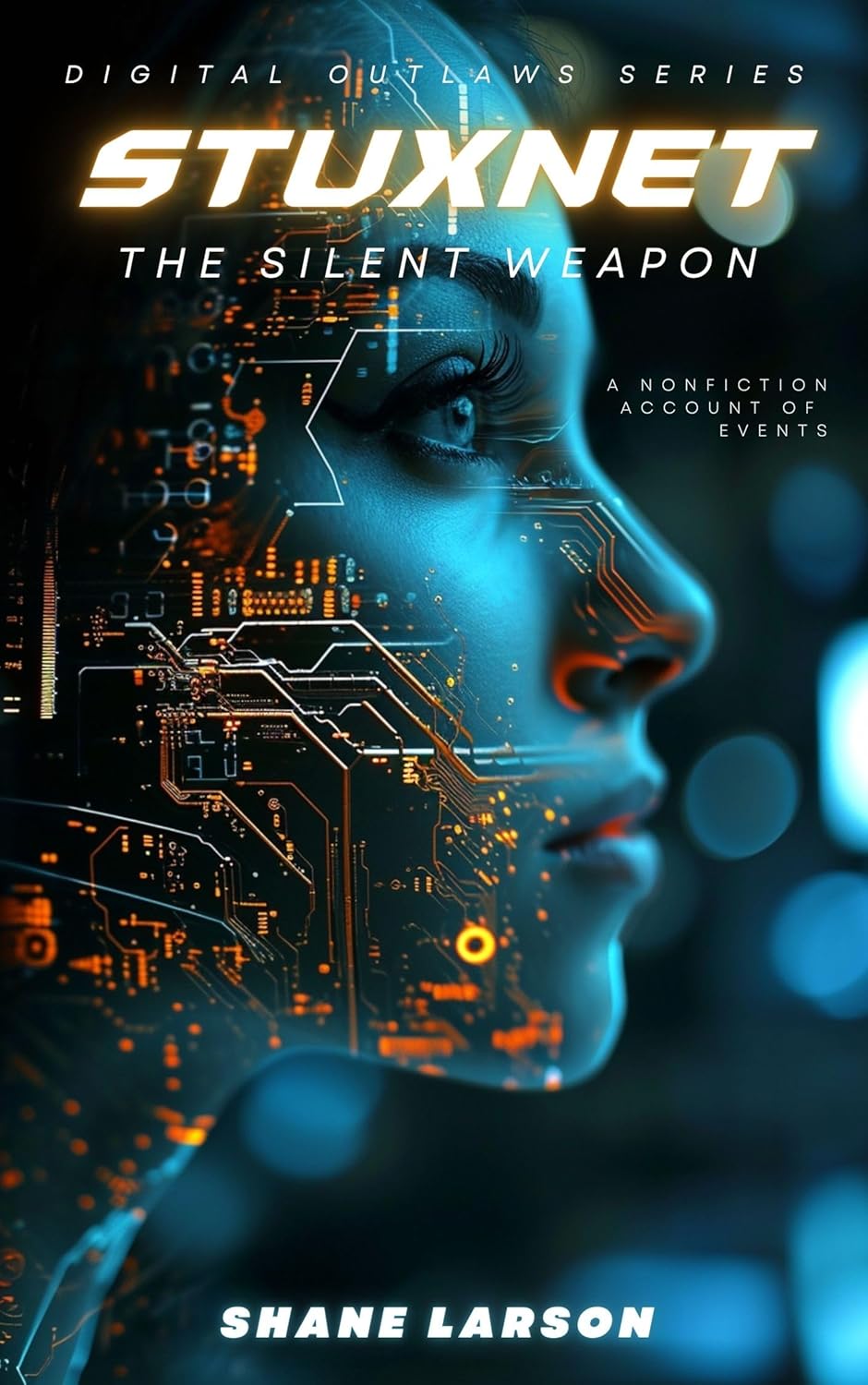
- Stuxnet: The Silent Weapon — a deep dive into the single operation that proved code could destroy physical machinery.
- The Sony Hack: North Korea vs. Hollywood — the complete account of a nation-state going to war over a comedy film.
- Phone Phreaks: The Original Hackers — the underground culture that planted the seeds of everything that followed.
What You'll Learn
- **The accidental first shot** — how a self-replicating experiment became the first felony conviction under America's computer crime law and set the template for everything after.
- **Espionage goes digital** — Moonlight Maze and Titan Rain, the early state-sponsored intrusions that quietly moved national spying onto the network for good.
- **Code as a physical weapon** — the full story of Stuxnet, the operation that proved software could destroy real machinery inside a hardened facility.
- **Industrial-scale theft** — China's Unit 61398 and the systematic looting of corporate and government secrets, including the breach that exposed 22 million security-clearance files.
- **A nation at war over a movie** — North Korea's assault on Sony Pictures, and what it revealed about how thin the line between offense and retaliation had become.
- **Billions in collateral damage** — WannaCry and NotPetya, the attacks that escaped their targets and inflicted worldwide destruction their authors may never have intended.
- **The supply chain as a target** — the SolarWinds compromise that reached into 18,000 organizations through a single trusted software update.
- **The ransomware era** — Colonial Pipeline, hospitals, and city governments, plus the crypto heists bankrolling a nuclear weapons program half a world away.
- **What comes next** — autonomous AI-driven attacks, the quantum threat to encryption, and the near-total absence of international law to restrain any of it.
New Cybersecurity History releases and free chapters — no spam, unsubscribe anytime.
More in Digital Outlaws
View series →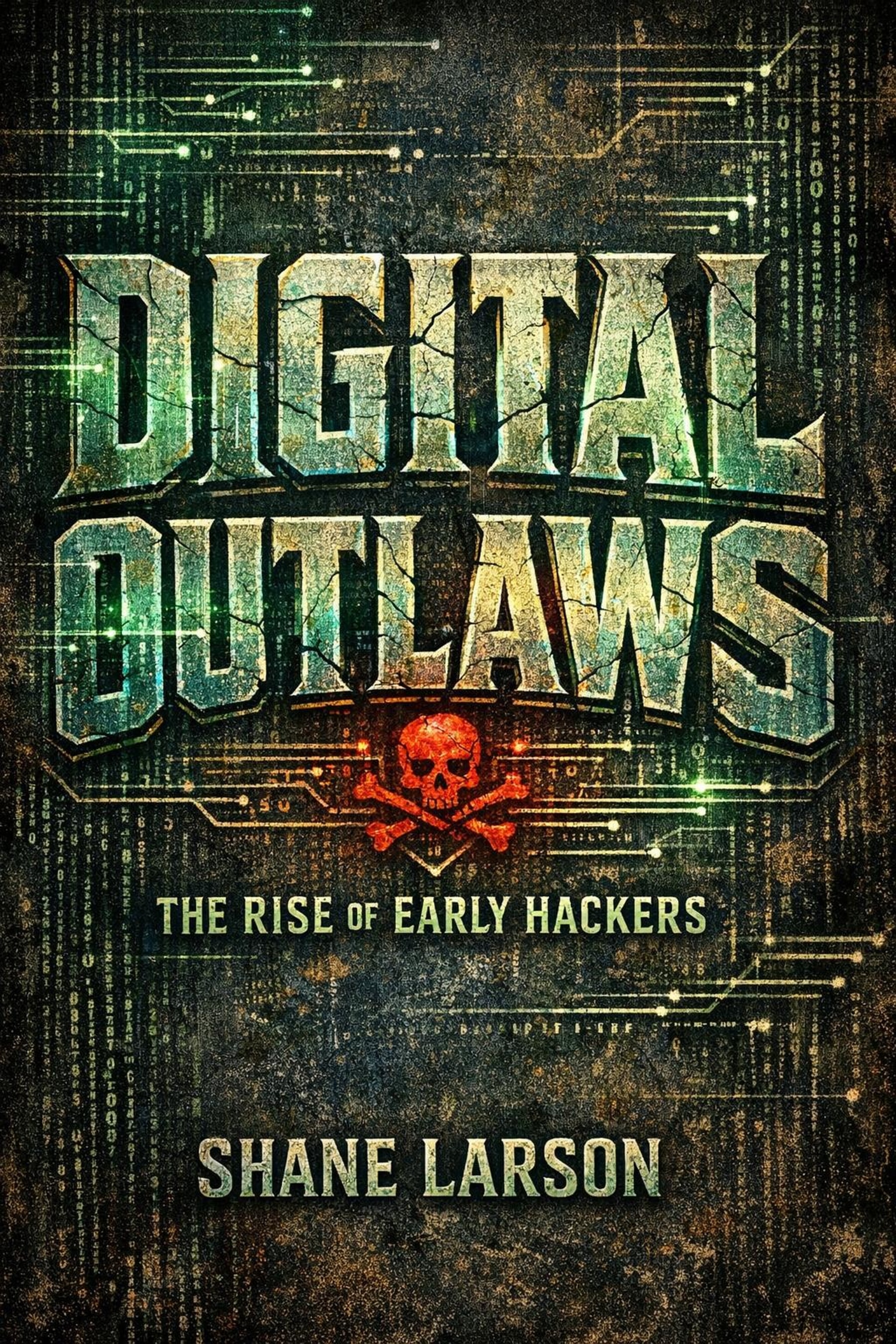
More in This Genre
View all →