Translate a Cuneiform Tablet to English
Upload a photo of a cuneiform tablet from a museum, textbook, or the web. Get an AI-powered transliteration, English translation, and historical context in seconds.
Browse the Translation Gallery →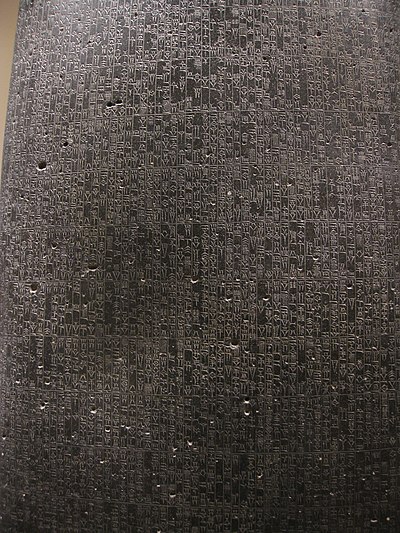
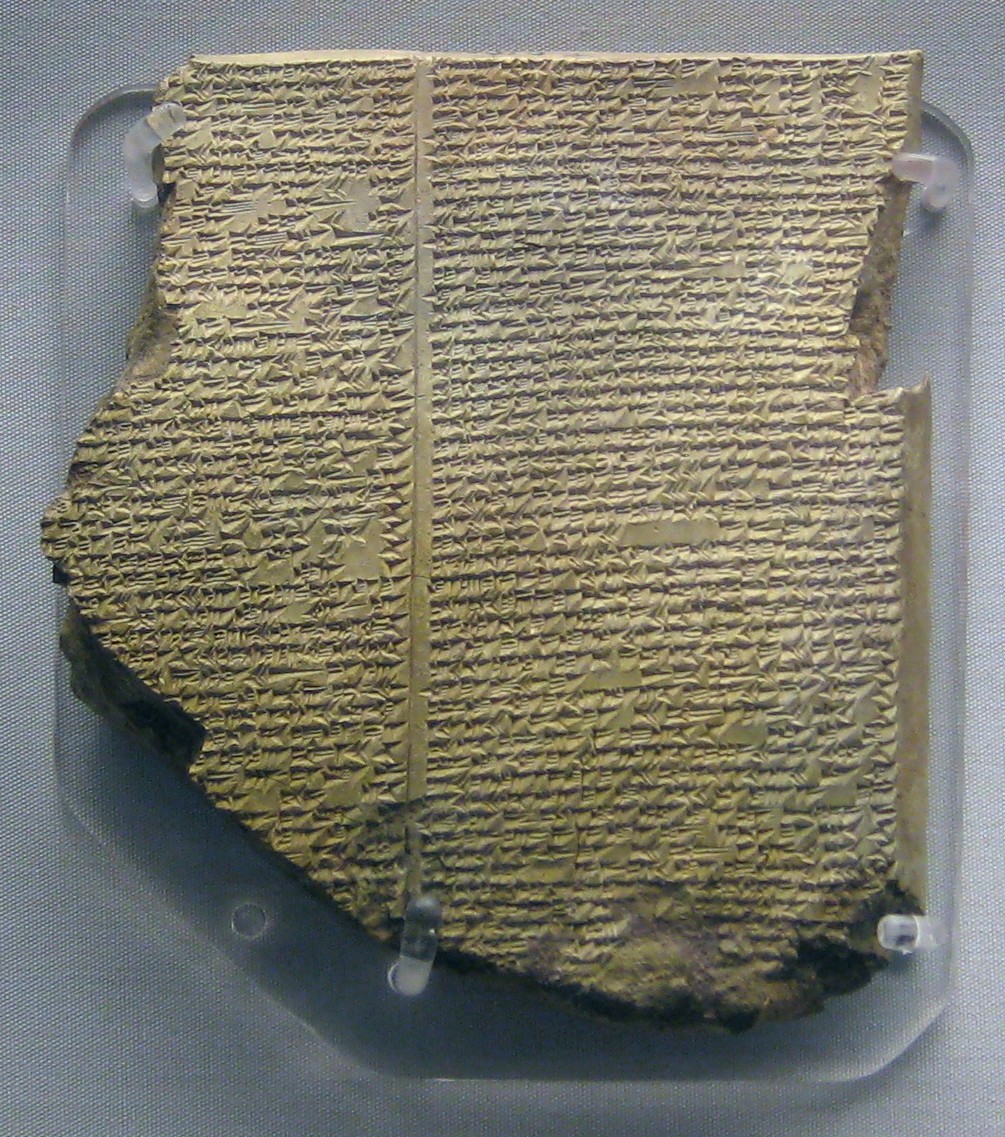
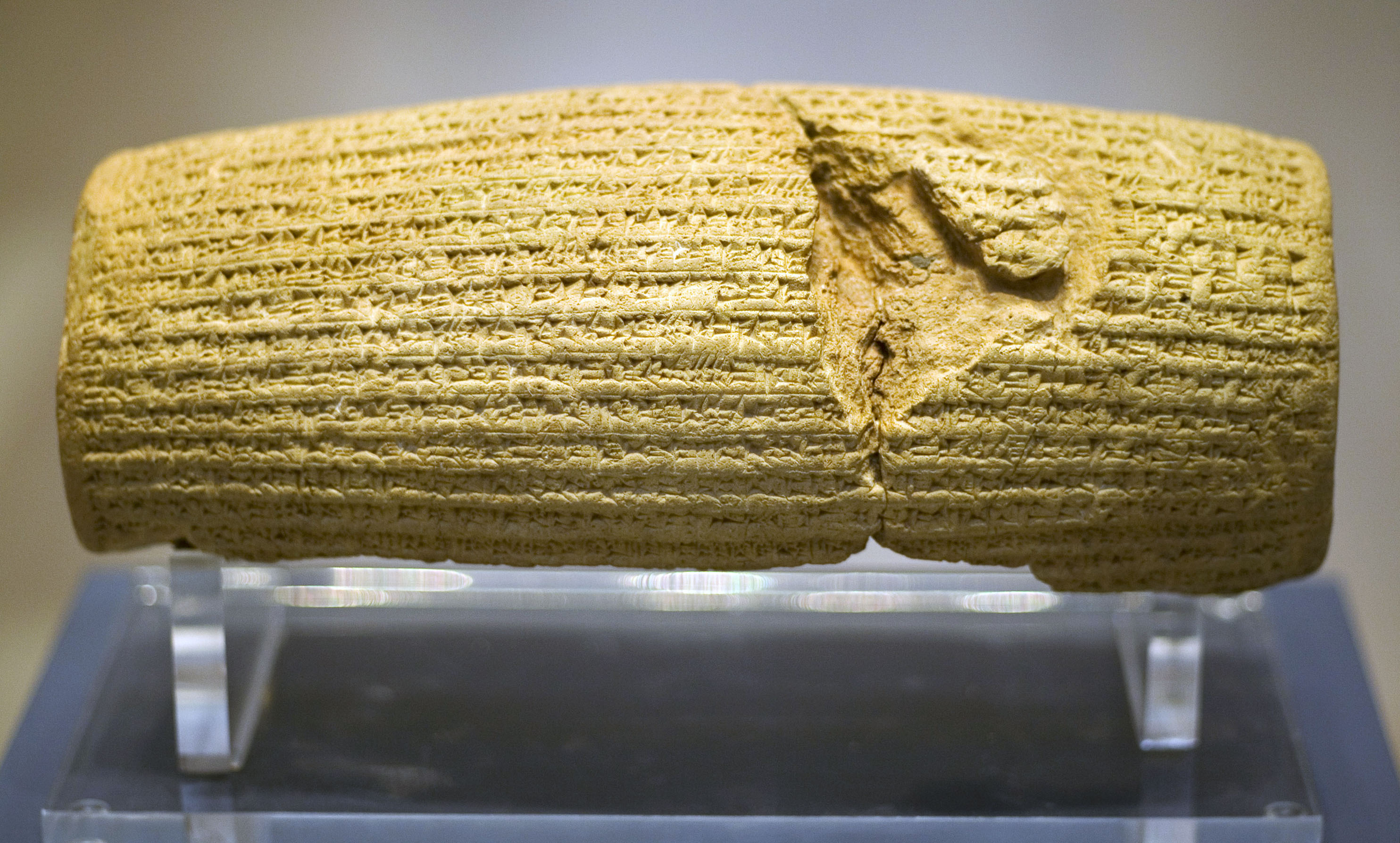
This tool uses Claude, an advanced AI model, to analyze cuneiform images. It works best with clear, well-lit photos of well-preserved tablets — especially famous texts like the Code of Hammurabi, royal inscriptions, or administrative records with formulaic language.
For heavily weathered tablets, rare scripts, or low-resolution images, accuracy may be limited. Every result includes a confidence rating. For scholarly or research purposes, we recommend consulting a trained Assyriologist to verify results.
Explore the Ancient World
Go deeper into the civilizations that created these inscriptions.




What Is Cuneiform?
Cuneiform is one of the oldest known writing systems in human history, first developed by the Sumerians of southern Mesopotamia around 3400 BCE. The word "cuneiform" comes from the Latin cuneus ("wedge"), referring to the distinctive wedge-shaped marks pressed into soft clay tablets with a reed stylus.
Over three millennia, cuneiform was adapted to write multiple languages — including Akkadian, Babylonian, Assyrian, Hittite, Elamite, and Old Persian. It recorded everything from royal decrees and legal codes to personal letters, business receipts, and literary epics like the Epic of Gilgamesh, the oldest surviving work of narrative literature.
Hundreds of thousands of cuneiform tablets survive today in museums around the world. Most remain untranslated — a vast archive of human experience waiting to be read. This tool uses modern AI to make these ancient voices a little more accessible. Upload a photo of any cuneiform tablet and discover what someone carved into clay thousands of years ago.