Peak Grizzly Is Live. Here's What We're Building.
March 23, 2026 · 6 min read
Launch Day · March 2026
We didn't launch quietly. That's not the plan. From the outset, we aimed to make a statement, drawing in readers and creators who are tired of the status quo in publishing—where big houses dominate and solo voices get drowned out. Instead, we're hitting the ground running with a full catalog and a clear vision, signaling that one person can reshape an industry that's long been resistant to change.
Peak Grizzly is a media company. We create content—books, audio, video, blog, whatever format best serves the story. Right now, our focus is books, drawing from a passion for storytelling that resonates in an era of information overload. Eighty of them are already live on Amazon, spanning genres that explore the human experience through history, tech, and more, with new releases dropping every month to keep the momentum building. Audiobooks are next on the docket, transforming those texts into immersive listens for on-the-go audiences, followed by video content that brings stories to life visually, and then whatever innovative formats emerge as technology evolves.
But the format is not the point. The point is the content, the catalog, and the compounding value of building something that grows while you sleep. In a world where digital platforms allow works to reach global audiences instantly, each piece we add creates ripple effects—driving discoverability, fostering repeat visits, and turning individual titles into a interconnected ecosystem that appreciates over time, much like how early internet pioneers built websites that evolved from simple pages into vast networks.
What Peak Grizzly Is
Peak Grizzly is an AI-first media company built by one person with an unreasonable goal. This isn't just about using tools; it's about harnessing AI to amplify what a single creator can achieve in a field traditionally ruled by teams and budgets, flipping the script on how media is produced.
We publish narrative nonfiction and fiction across history, technology, geopolitics, and culture, tackling topics that shape our world and challenge conventional thinking. Every title is researched, written, and produced with AI as a core part of the workflow—not as a shortcut, but as leverage that streamlines repetitive tasks while preserving the essence of creativity. For instance, AI helps sift through vast historical archives or generate initial drafts based on key outlines, allowing us to iterate faster and produce high-quality work that might otherwise demand a full editorial team. This kind of leverage echoes historical shifts, like the printing press democratizing knowledge centuries ago, but now it's powered by algorithms that make production accessible to anyone with vision and drive.
We believe the internet has fundamentally changed what's possible for a solo creator. With platforms like Amazon handling distribution and tools lowering barriers to entry, the old constraints of printing costs and limited reach have vanished; today, a well-crafted book can go viral overnight, as seen in indie successes like self-published authors hitting bestseller lists. The only real constraint left is creative judgment—knowing what to make, why it matters in a crowded digital landscape, and how to make it well, ensuring it connects with readers on an emotional level.
That's what we're here to do.
The Catalog
Eighty books. Ancient history, Ottoman history, AI and technology, cybersecurity, fiction. Live on Amazon today, free for Kindle Unlimited subscribers, these titles form a diverse library that's accessible to anyone with a device, reflecting the democratization of knowledge in the digital age.
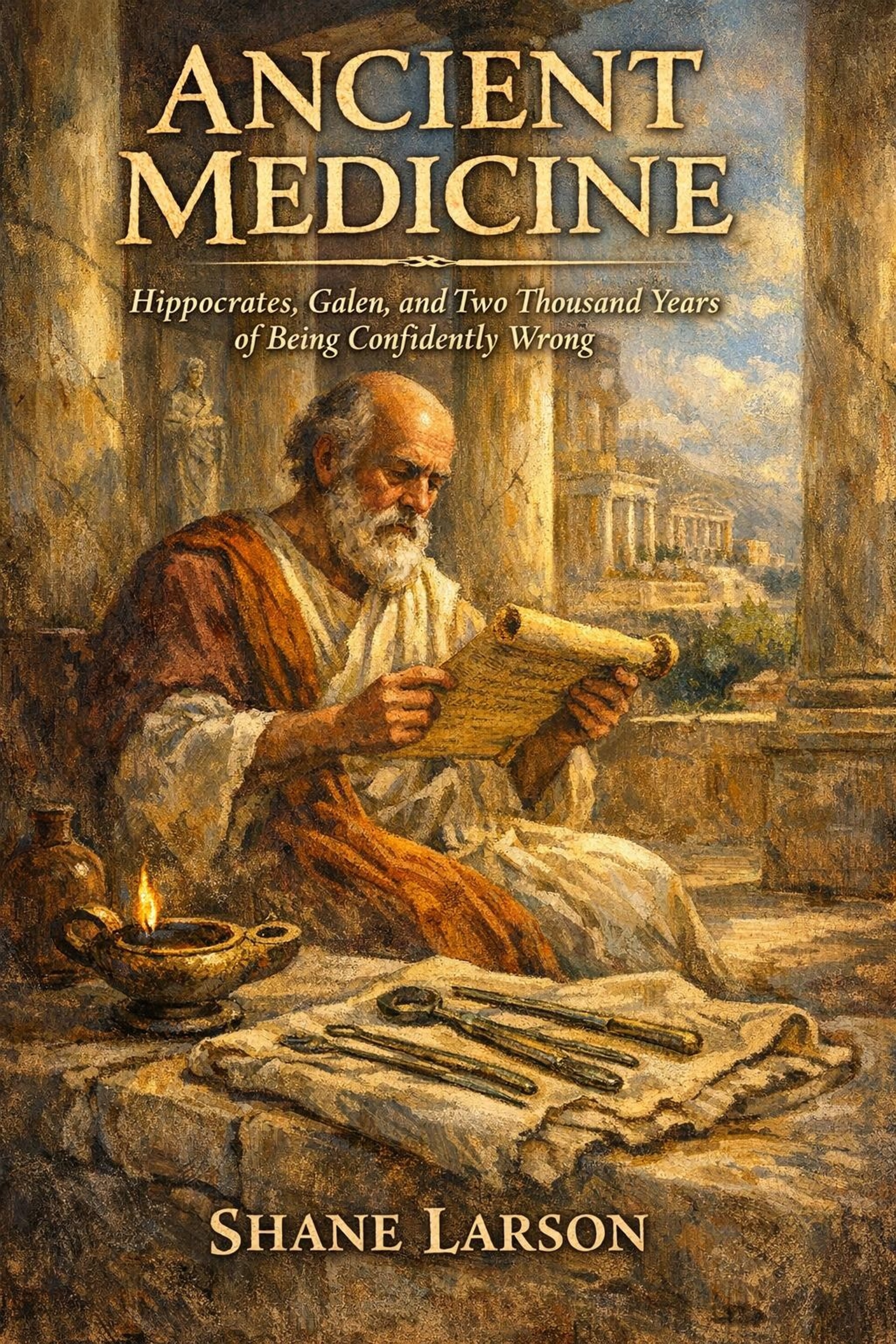
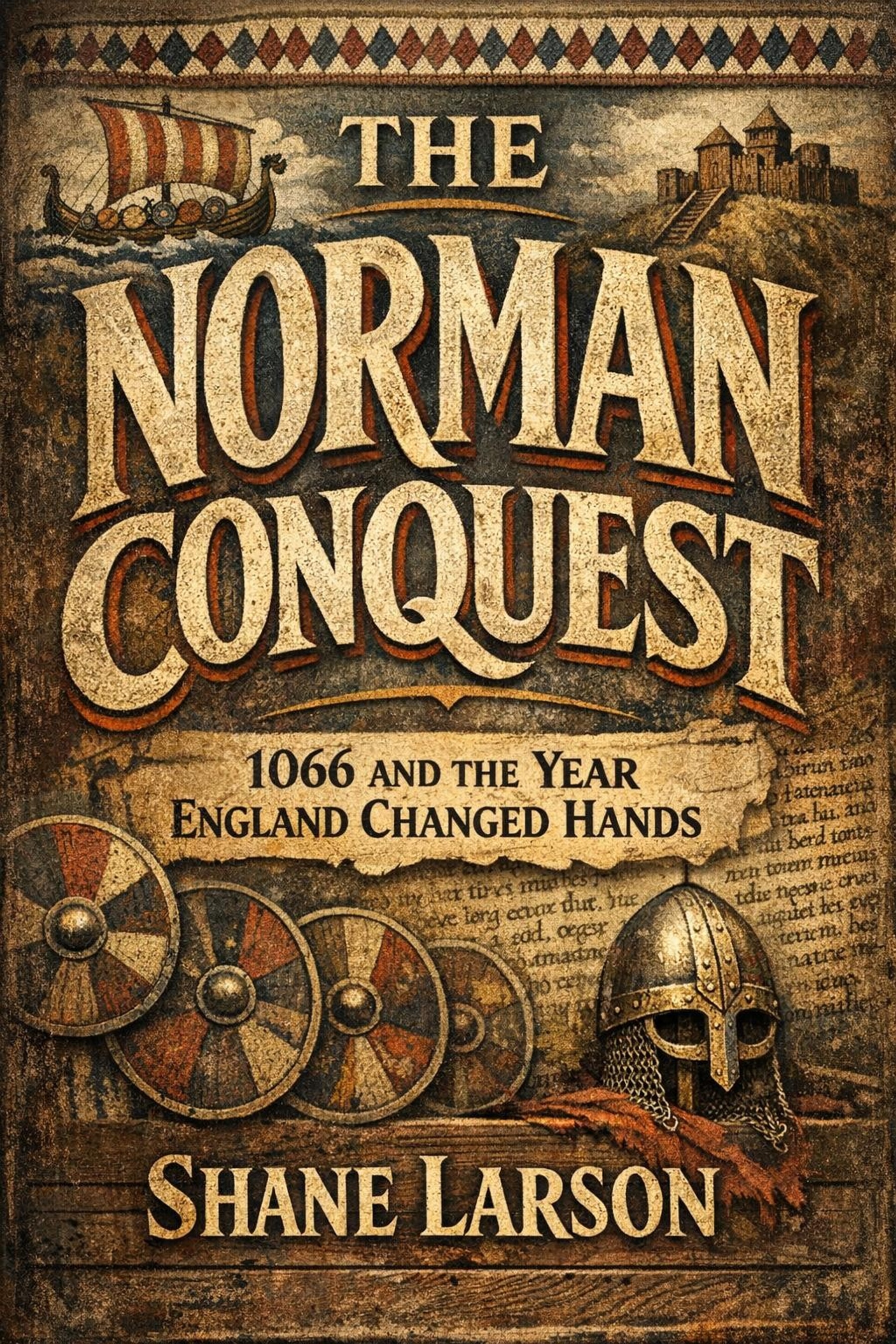
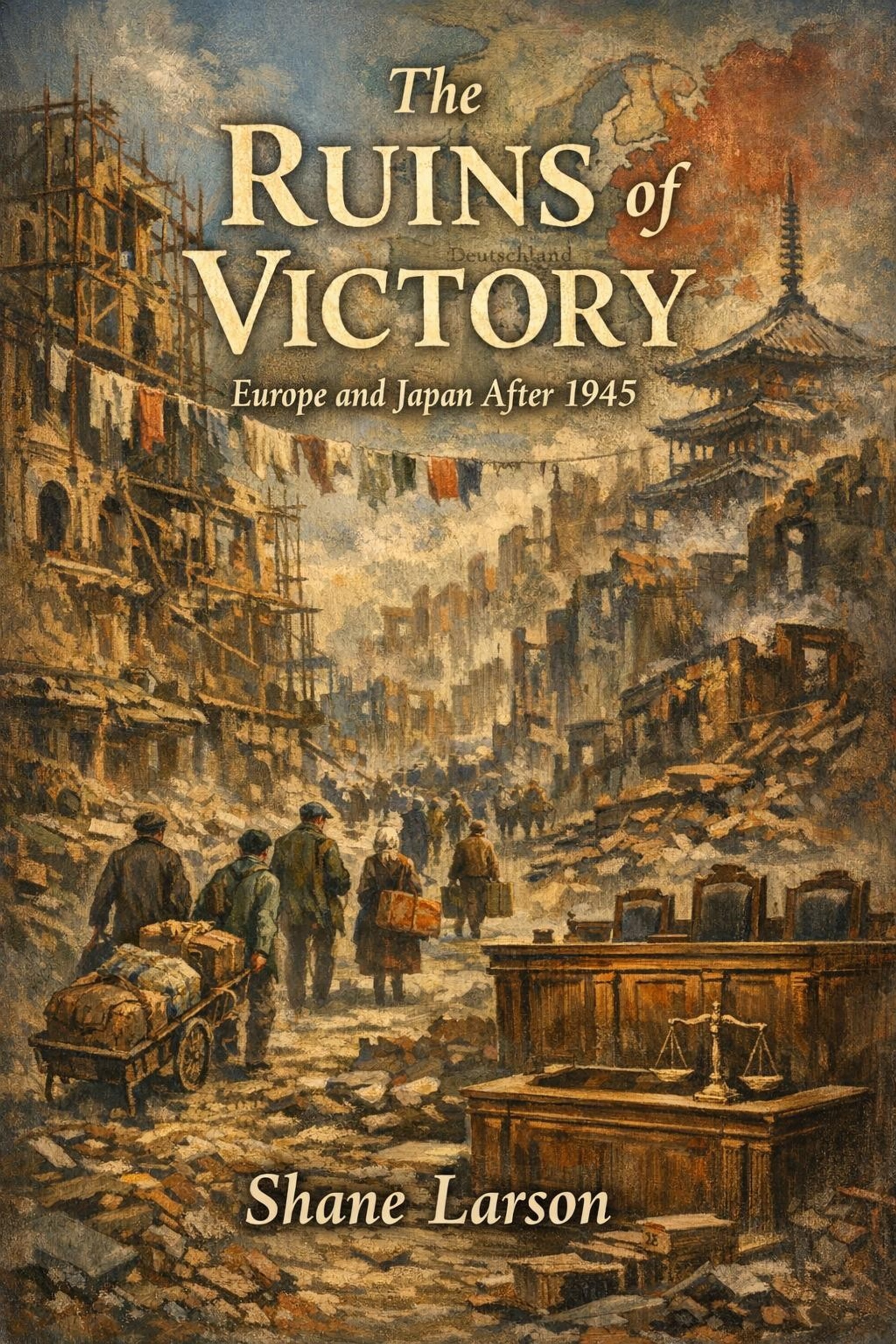
The ancient history titles are the backbone—Sparta: The Warrior State, The Fall of Rome, The Persian Empire, Iron Age Dawn, and the newest release, The Viking Expansion. These aren't just retellings; they're deep dives into civilizations that shaped modern society, for example, exploring how Spartan military tactics influenced contemporary leadership strategies or how the fall of Rome parallels today's geopolitical fragilities. They built the catalog by proving that focused, AI-assisted research can uncover fresh angles on timeless topics, drawing readers who seek both education and entertainment. This approach has already shown results, with early sales data indicating strong engagement in Kindle Unlimited, validating the model of rapid, high-volume publishing.
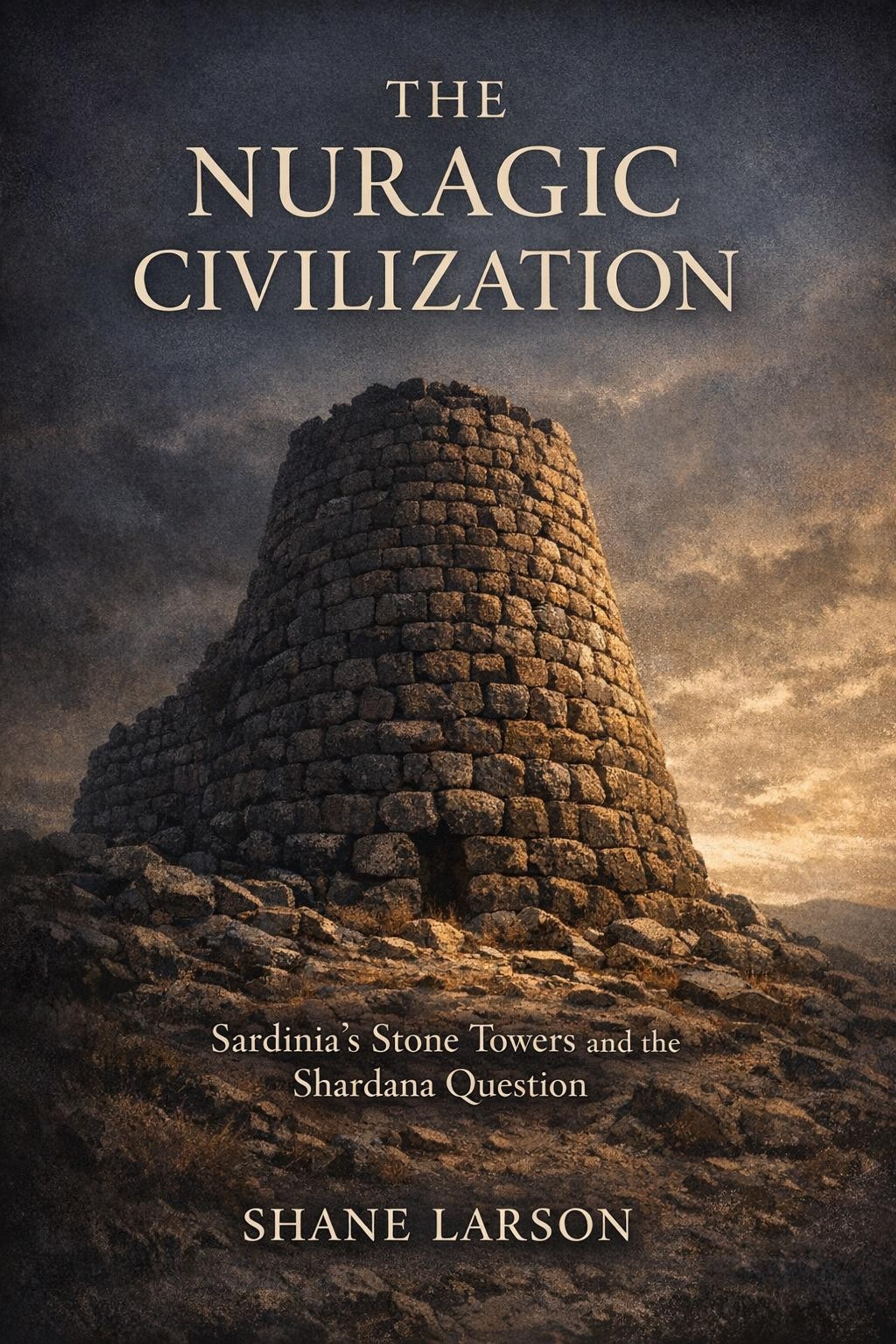
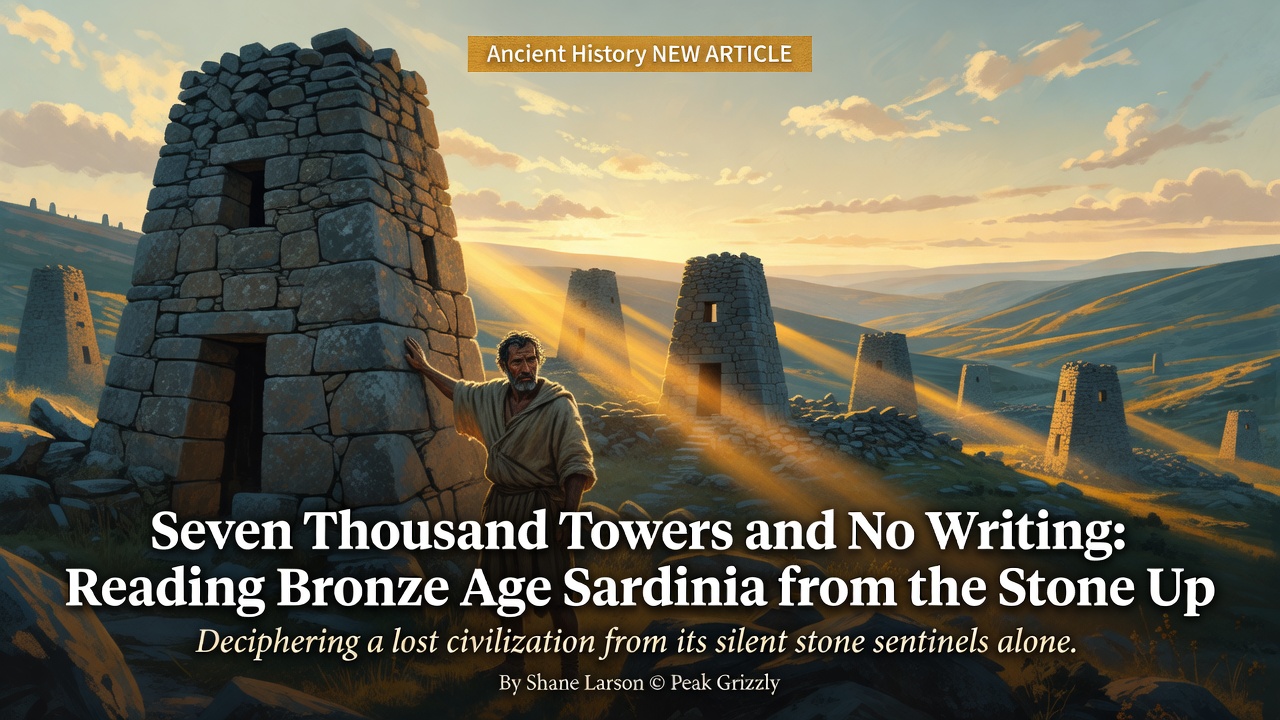
The Nuragic Civilization
Audiobooks are in production, adapting these texts for auditory learners and commuters, with professional narration to enhance the storytelling experience. Blog content launches with this post, offering bite-sized insights from the books to hook new audiences. Video is coming, perhaps as animated explainers or interviews that expand on the themes.
Every piece of content we create is designed to do two things: stand alone as something genuinely worth reading, packed with meticulously vetted facts and engaging narratives that hold up under scrutiny, and compound into a catalog that's worth more than the sum of its parts, creating a feedback loop where one book leads to another, building loyalty and long-term value.
Why AI-First
Because it's the only honest answer to the question of how one person builds something at scale. In an industry where traditional publishing often requires extensive resources, AI provides a counterbalance, allowing creators to compete without the overhead of large teams—though this raises natural counterpoints from skeptics who worry it might dilute quality or originality.
We use AI tools across the entire production pipeline—research, drafting, cover design, metadata, marketing copy—not to replace creative judgment, but to multiply it. For example, during research, AI can analyze thousands of sources in hours, flagging key patterns or lesser-known facts that a human might overlook, freeing up time for the critical human task of shaping the narrative. The decisions about what to write, how to frame it with cultural relevance, and what angle makes it worth reading—those remain firmly in human hands, driven by personal passion and ethical considerations to ensure authenticity.
What AI does is collapse the distance between idea and execution. A book that used to take a year, involving rounds of editing and design that could stall progress, now takes weeks through efficient workflows that maintain high standards. A catalog that used to require a publishing house with its networks and capital now requires a laptop and a relentless appetite for work, mirroring how past innovations like desktop publishing in the 1980s empowered independents.
We think this is the most interesting moment in the history of media, with data showing exponential growth in AI-assisted content creation—reports from sources like McKinsey highlight how automation is reshaping creative industries. We intend to prove it by demonstrating that this approach not only scales but also elevates the final product, making media more dynamic and accessible than ever.
The Goal
A billion-dollar media company. One person. No staff. No investors. No permission. This ambition isn't pulled from thin air; it's grounded in the reality that the internet has enabled outliers, like solo podcasters building empires or indie authors outselling traditional publishers, to achieve massive scale through smart leverage.
That's the stated ambition, and we're not embarrassed by it, especially when you consider how platforms reward creators who focus on long-term growth—algorithms favor consistent catalogs that drive user retention, as evidenced by success stories on YouTube or Spotify. The internet rewards catalog, consistency, and compounding, with each new piece adding to a network effect that builds audience and revenue over time. We're building all three, methodically expanding while learning from missteps, like early experiments in AI integration that didn't quite hit the mark.
We'll document the whole thing here—what's working, such as rapid release cycles boosting visibility; what isn't, like initial challenges in maintaining voice amid automation; and what we're building next, perhaps deeper dives into emerging tech trends. If you're a reader, you'll find content worth your time, crafted to inform and inspire in a sea of superficial material. If you're a creator watching this space, you'll find a playbook being written in real time, offering practical insights into navigating this AI-driven landscape.
Either way, you're early. That's a good place to be.
Welcome to Peak Grizzly.
New posts and releases, straight to your inbox. No spam, unsubscribe anytime.