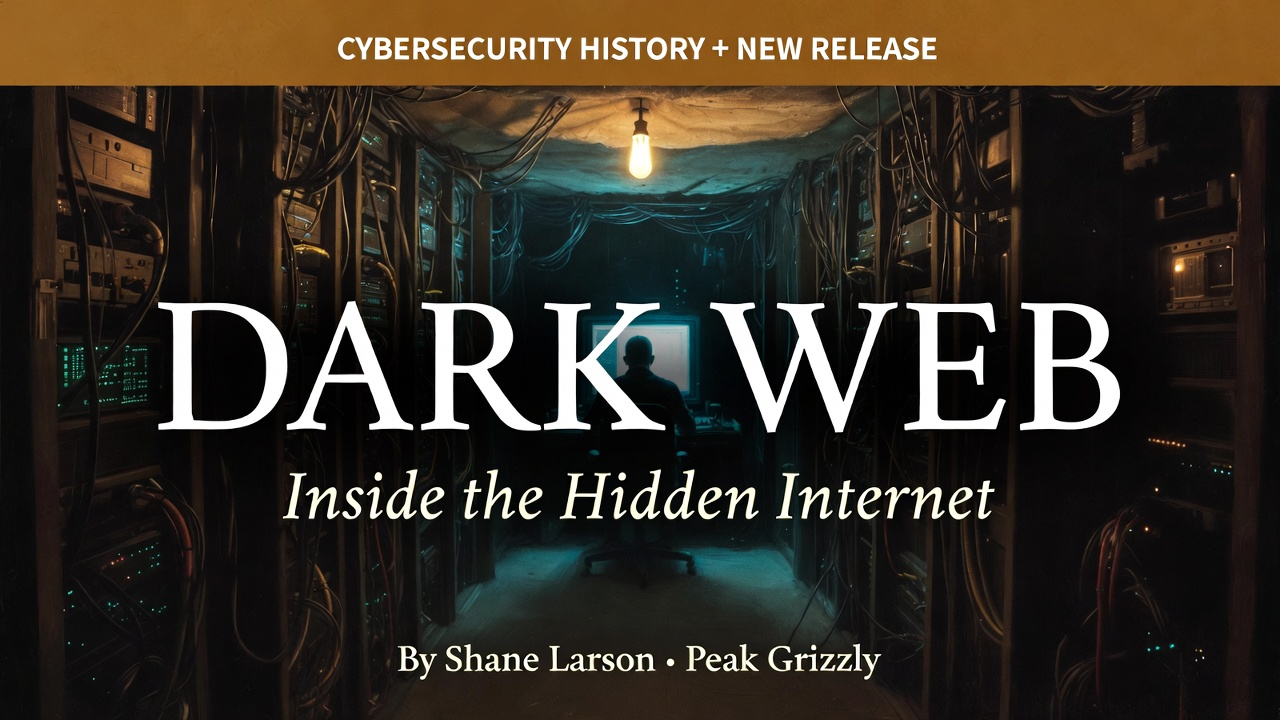
Most People Have Heard of the Dark Web. Almost Nobody Understands What It Actually Is.
March 28, 2026 · 8 min read
New Release · Cybersecurity History · March 2026
Introducing Dark Web: Inside the Hidden Internet — the real story, without the sensationalism
The dark web started as a United States Navy research project in the late 1990s, born out of the need for secure communications during the height of the Cold War's digital legacy. The goal was straightforward: build a communication system where the origin and destination of internet traffic couldn't be traced, drawing on cryptographic techniques that had evolved from earlier military encryption efforts. The intelligence community needed it to protect sensitive operations, such as sharing classified data without leaving a digital footprint; dissidents living under authoritarian regimes, like those in 1980s East Germany, needed it to organize resistance without immediate detection; and journalists protecting sources needed it to safeguard whistleblowers in an era of growing surveillance. This foundational idea wasn't just about hiding; it was about preserving privacy in a world where every online click could be monitored, making it a tool that balanced security with ethical imperatives.
Then Ross Ulbricht built the Silk Road in 2011, transforming the dark web into something else entirely — a bustling underground marketplace where users could buy narcotics with the same ease as ordering a paperback from an online retailer, navigating through layers of encryption as if browsing a shadow version of eBay. Stolen credit card numbers moved in bulk like commodity futures on a stock exchange, with vendors listing them alongside user reviews and guarantees of authenticity, while ransomware operators ran help desks that offered customer support, complete with tutorials and dispute resolution forums. This shift highlighted how the dark web's anonymity features, designed for protection, could enable illicit economies that mirrored legitimate ones, accelerating global cybercrime trends.
The uncomfortable truth is that the dark web is still all of these things at once, a multifaceted ecosystem where the same encrypted pathways serve diverse purposes. The technology that protects a dissident in Tehran from government monitoring also shields a fentanyl dealer in Phoenix from law enforcement raids, creating an ongoing ethical dilemma. That tension isn't a bug in the system; it's the whole story, woven into the fabric of the internet's evolution, where tools meant for good often intersect with bad actors in ways that challenge policymakers and users alike.
"The reality is more complicated, more interesting, and more important than either the sensationalized headlines or the libertarian mythology suggest."
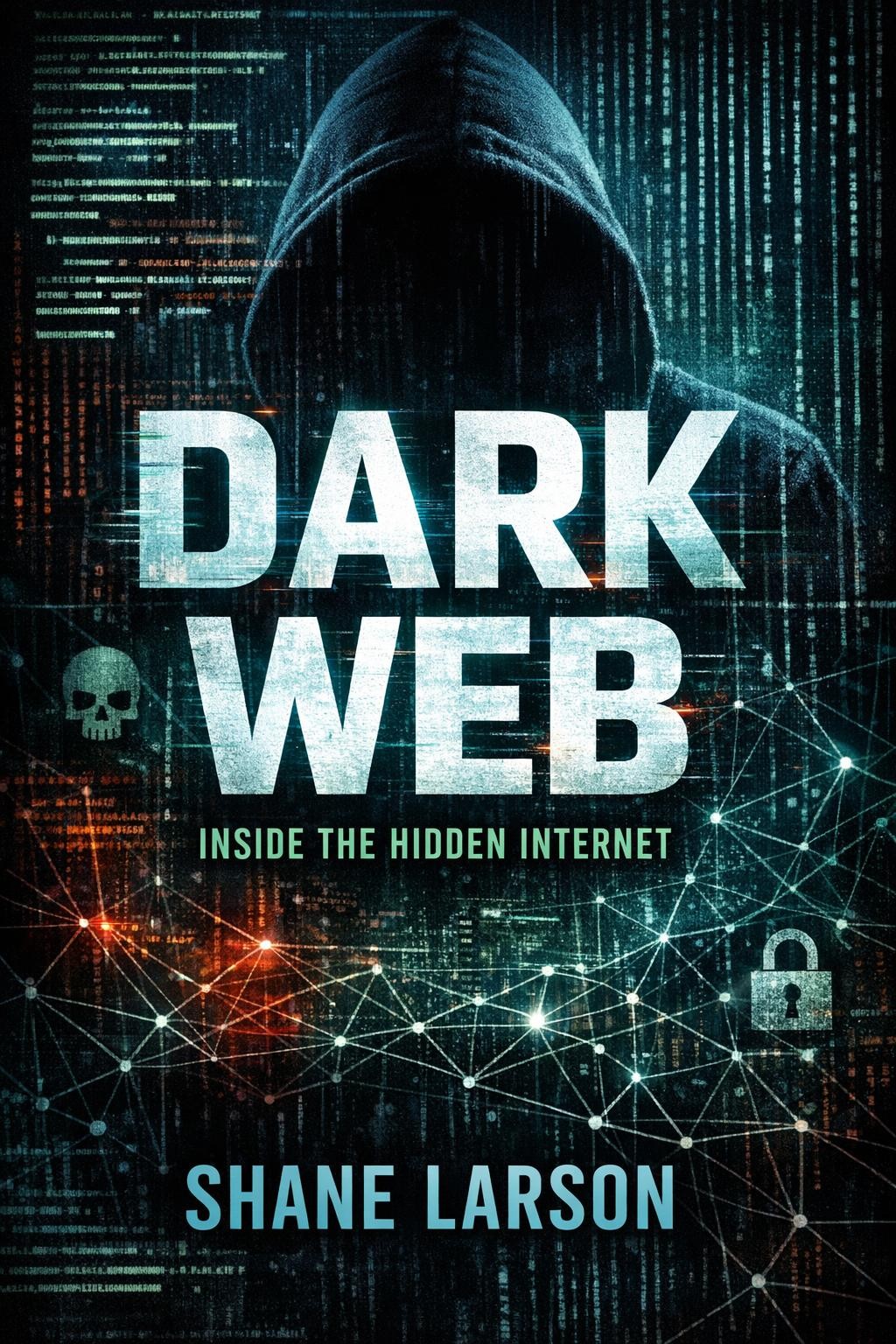
That's the premise of Dark Web: Inside the Hidden Internet — the newest title in the Peak Grizzly cybersecurity history catalog and a companion to the Digital Outlaws series.
The Problem With Most Dark Web Coverage
Most writing about the dark web falls into one of two camps, each driven by exaggeration rather than evidence. Either it's breathless tabloid-style shock content — think headlines from sites like Daily Mail screaming about "scary hackers" invading personal devices or "red rooms" filled with fictional horrors, often without citing verifiable sources — or it's libertarian cheerleading about the inevitable triumph of unregulated markets, as seen in forums like those on CryptoAnarchy.org, where enthusiasts portray it as a utopian escape from government control. Both get the story wrong by oversimplifying a complex technology into black-and-white narratives that ignore the nuances.
The real history is more interesting than either version, starting with the Tor network's development by mathematicians at the Naval Research Laboratory in the early 2000s, funded initially by the Office of Naval Research to enhance secure communications for U.S. diplomats abroad. The United States government still funds a significant portion of the Tor Project's budget today, creating a paradoxical situation where the same tool that criminals use to evade law enforcement agencies — like the FBI's cyber divisions — is supported by those very entities, as evidenced by Tor's role in aiding U.S. operations in conflict zones. That contradiction isn't an accident; it's the defining tension of the entire story, reflecting broader debates in cybersecurity about how dual-use technologies can serve both national security and undermine it, much like how GPS was originally military but became a civilian staple.
Dark Web traces that tension from the beginning, through every major inflection point — such as the rise of anonymous forums in the mid-2000s — to the present day, offering a timeline that connects these dots without glossing over the human elements involved.
Dark Web
What's Inside
- How Tor actually works — the onion routing protocol, pioneered by computer scientists Paul Syverson, Michael Reed, and David Goldschlag in 1995, layers encrypted data through multiple relays to obscure its path, making it nearly impossible to trace; this design, funded by the U.S. government, continues to support not just criminals but also everyday users in repressive states, raising questions about why agencies like the NSA still back it despite its vulnerabilities to advanced traffic analysis techniques.
- The Silk Road — Ross Ulbricht's journey from an idealistic libertarian, influenced by Austrian economics texts, to the operator of a criminal marketplace that generated over $1 billion in sales by 2013, and the sprawling federal investigation that brought it down, involving IRS agents tracing bitcoin transactions and undercover DEA operations that infiltrated the site, ultimately leading to Ulbricht's life sentence and exposing the limits of online anonymity.
- Operation Bayonet — the joint Dutch-FBI operation in 2017 that simultaneously seized two of the largest dark web markets in history, Hansa and AlphaBay, by hacking into their servers and monitoring transactions for months; this revealed the real scale of the underground economy, with data showing billions in illicit trade and highlighting how international cooperation can dismantle these networks, though it also sparked debates about privacy invasions.
- Bitcoin's transformation from a supposed anonymous currency, as envisioned in Satoshi Nakamoto's 2008 whitepaper, into law enforcement's most powerful forensic tool through blockchain analysis firms like Chainalysis; this shift fundamentally changed the game by allowing agencies to track funds across borders, turning what was meant to be untraceable into a ledger that has helped solve major crimes, such as the Silk Road case.
- The modern dark web economy — ransomware-as-a-service models, where groups like REvil offer subscription-based attack kits complete with customer support and money-back guarantees, fraud-as-a-service operations that sell stolen identities in bulk, and stolen data markets that operate with the organizational sophistication of legitimate businesses, employing marketing strategies and quality control to rival e-commerce giants.
- Colonial Pipeline, JBS, and the ransomware attacks that elevated cybercrime to a national security crisis — for instance, the 2021 Colonial Pipeline hack by DarkSide, which disrupted U.S. fuel supplies and cost millions in ransoms, alongside the JBS meat processing shutdown that affected global food chains, underscoring how these attacks can cascade into economic disruptions and force governments to rethink cyber defenses.
- The legitimate dark web — the journalists, like those at Bellingcat who used Tor to investigate the 2018 Skripal poisoning, whistleblowers leaking documents via secure channels, and dissidents in countries like China who depend on anonymity tools to expose corruption without facing retaliation, and why weakening those tools, as proposed in some anti-encryption laws, has consequences such as chilling free speech and enabling mass surveillance.
- The privacy-versus-security debate, presented without pretending there are easy answers — for example, while encrypting communications can prevent crimes, it also complicates efforts to stop child exploitation rings, forcing a balance that policymakers have grappled with since the Crypto Wars of the 1990s.
Why This Book Exists
The dark web is one of the most misunderstood corners of the modern internet, often misrepresented in ways that distort public perception and policy decisions. The statistics cited in congressional hearings are frequently wrong, such as exaggerated claims about user numbers that ignore Tor's actual metrics, which show a mix of benign and malicious traffic; the popular narrative oscillates between moral panic, like media frenzies over "dark web hits" that rarely materialize, and techno-utopianism, where proponents ignore real-world harms in favor of ideological purity. What's actually needed — and what's been missing — is a straightforward account that explains the technology by breaking down its core components, follows the history with key events and figures, and takes the tradeoffs seriously, such as the trade-off between user privacy and law enforcement needs.
That's what this book does. No scaremongering that amplifies unfounded fears, no romanticizing that overlooks victims of cybercrime, no pretending the answers are simple when they aren't — for instance, while anonymity empowers activists, it also facilitates fraud, and the book addresses this without taking sides. If you've read other titles in the Digital Outlaws series — Phone Phreaks, The Accidental Spy Catcher, Stuxnet, Operation Aurora, The Sony Hack, Cap'n Crunch, The Mt. Gox Collapse — you know the approach, which dives into the human stories behind the tech; Dark Web does the same, but the scope is broader, covering the evolution of an entire parallel internet and the people who built it, exploited it — like early hackers turning it into a black market — and tried to police it through evolving legal frameworks.
Who This Book Is For
Anyone who wants to understand what the dark web actually is — not the Hollywood version glamorized in movies like The Social Dilemma, not the Reddit mythology that paints it as a free-for-all, but the real infrastructure built on protocols like Tor, the real history shaped by government funding and criminal innovation, and the real stakes involved in balancing privacy with security. The writing is direct and narrative-driven, drawing readers in with stories of real people and events rather than overwhelming them with technical details, making it accessible even if you're new to cybersecurity. It fits alongside the rest of the Peak Grizzly cybersecurity catalog, and readers who've followed the Digital Outlaws series will find it a natural next read, building on familiar themes like the unintended consequences of technology.
A Note on Kindle Unlimited
Like the rest of the Peak Grizzly catalog, Dark Web is available to Kindle Unlimited subscribers at no additional cost. If you're already in the program, this one's waiting for you, offering the same in-depth exploration without the extra expense.
Dark Web: Inside the Hidden Internet joins a growing cybersecurity history catalog that now spans from the phone phreaks of the 1960s through Stuxnet, state-sponsored espionage, the cryptocurrency explosion, and the modern ransomware economy, each entry connecting to the next like threads in a larger web of innovation and risk. Each book is written to the same standard: the full story, the real context — including overlooked details like the role of international treaties in shaping tech policy — no mythology required.
If you pick it up, let us know what you think. Reviews on Amazon make an enormous difference for independent authors, and every one is read.
$3.99 — Get it on Amazon
Free for Kindle Unlimited subscribers
Dark Web
New posts and releases, straight to your inbox. No spam, unsubscribe anytime.