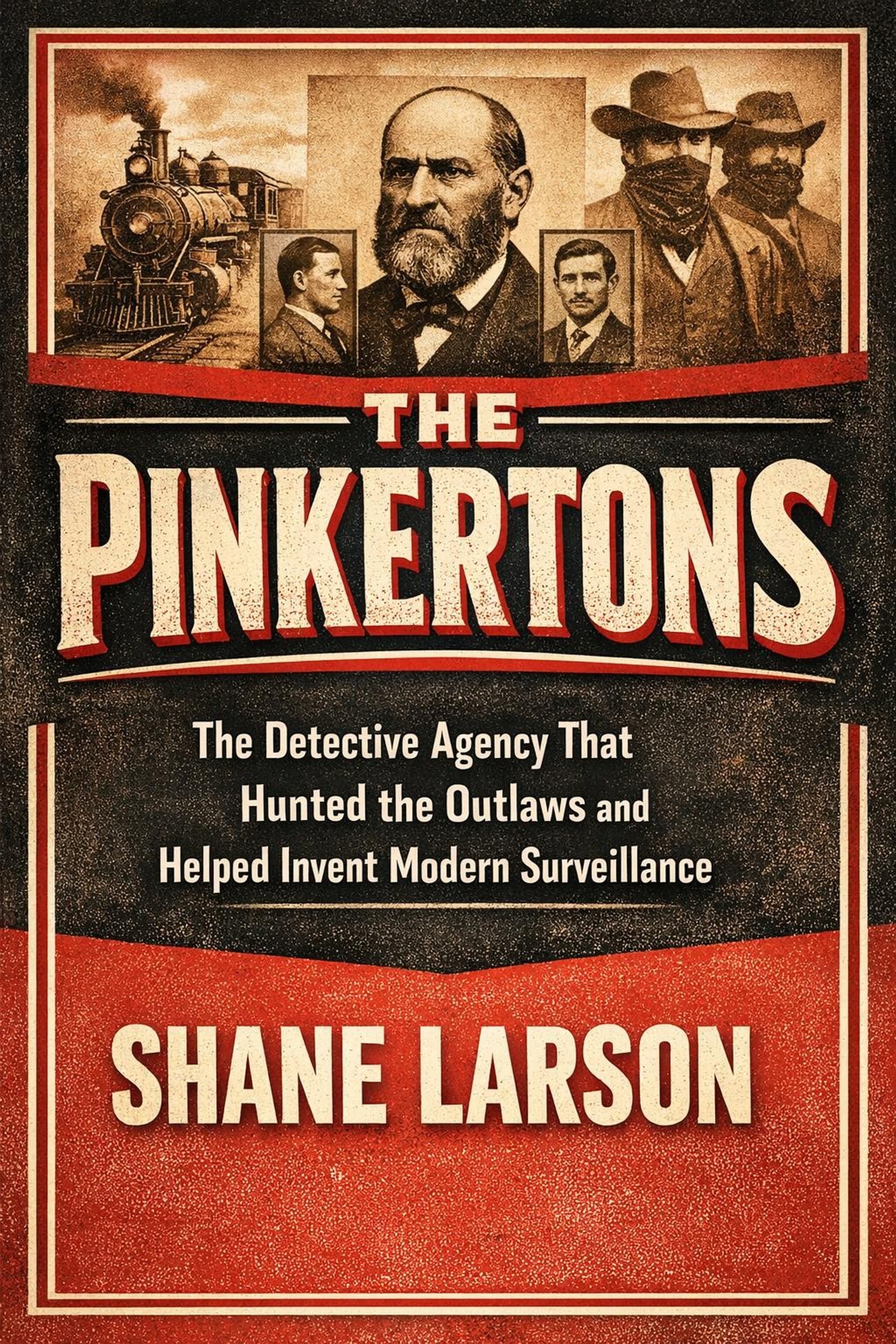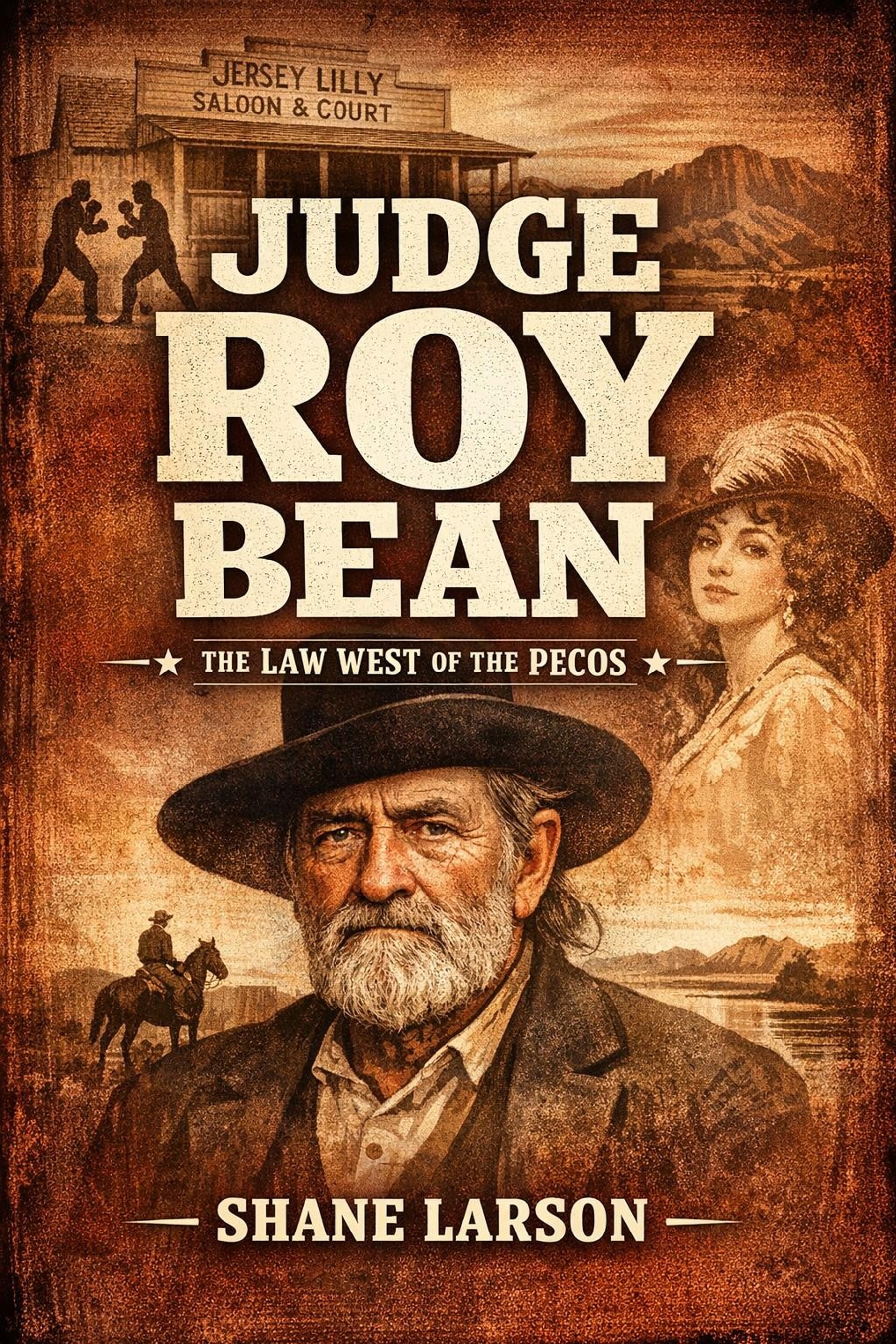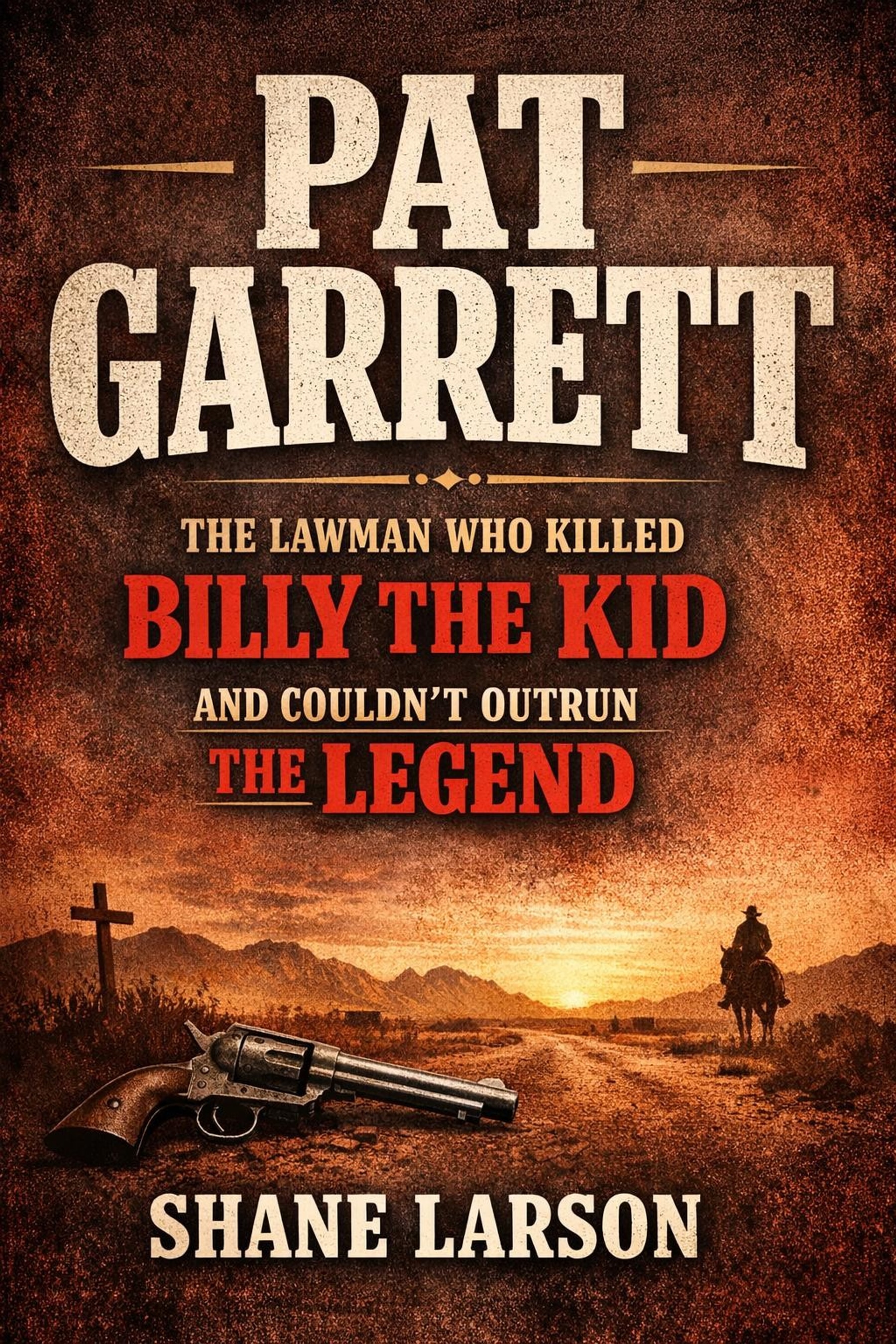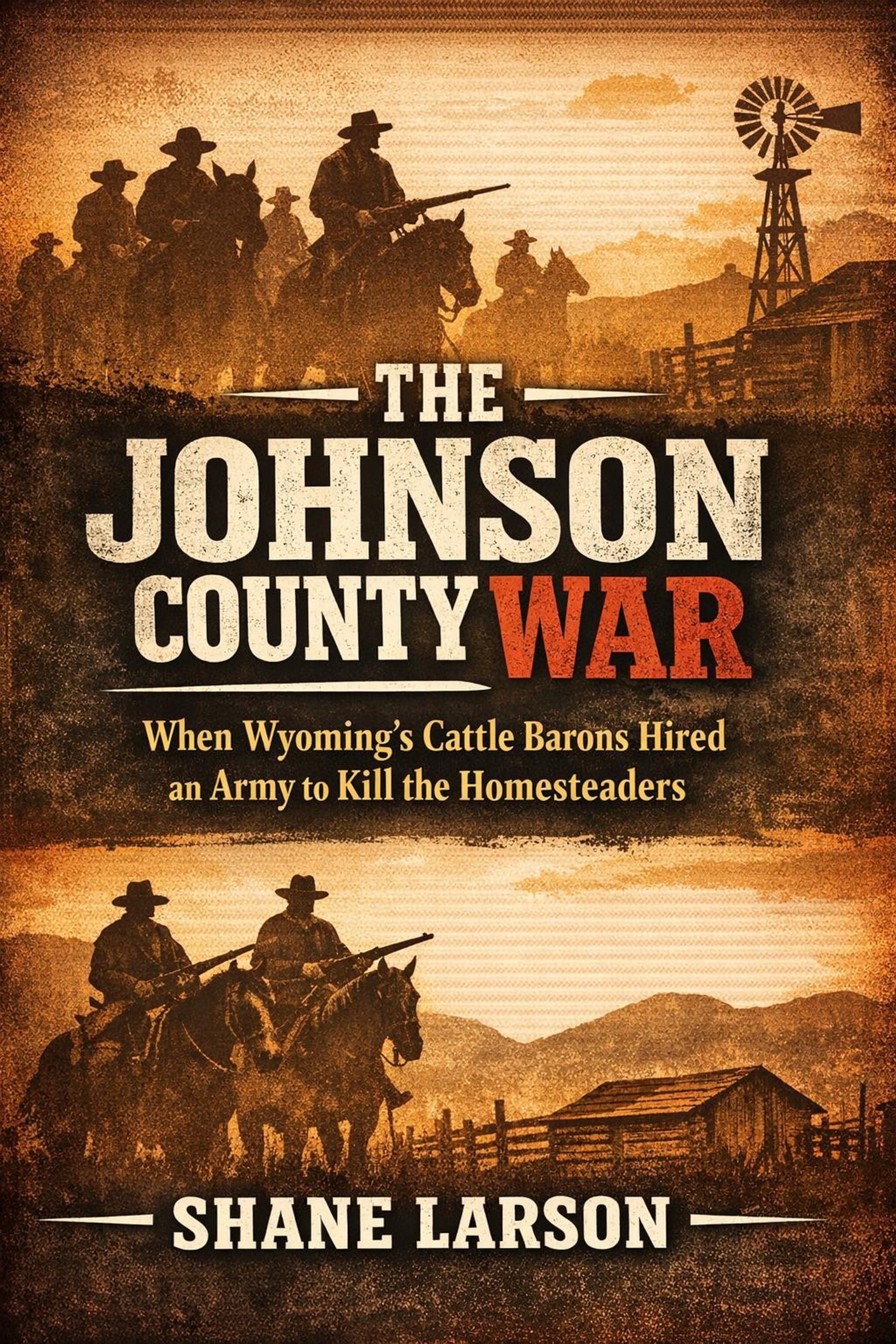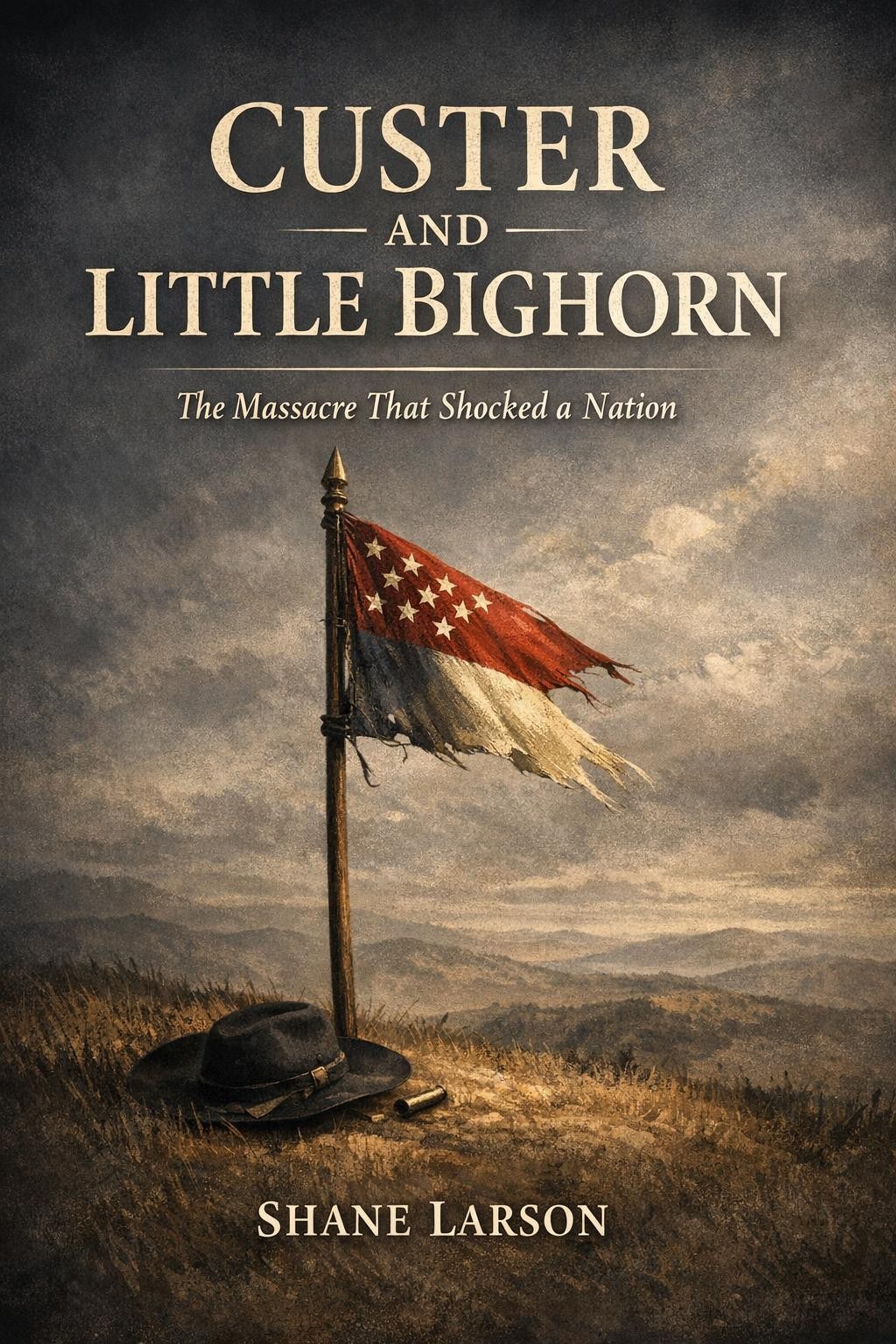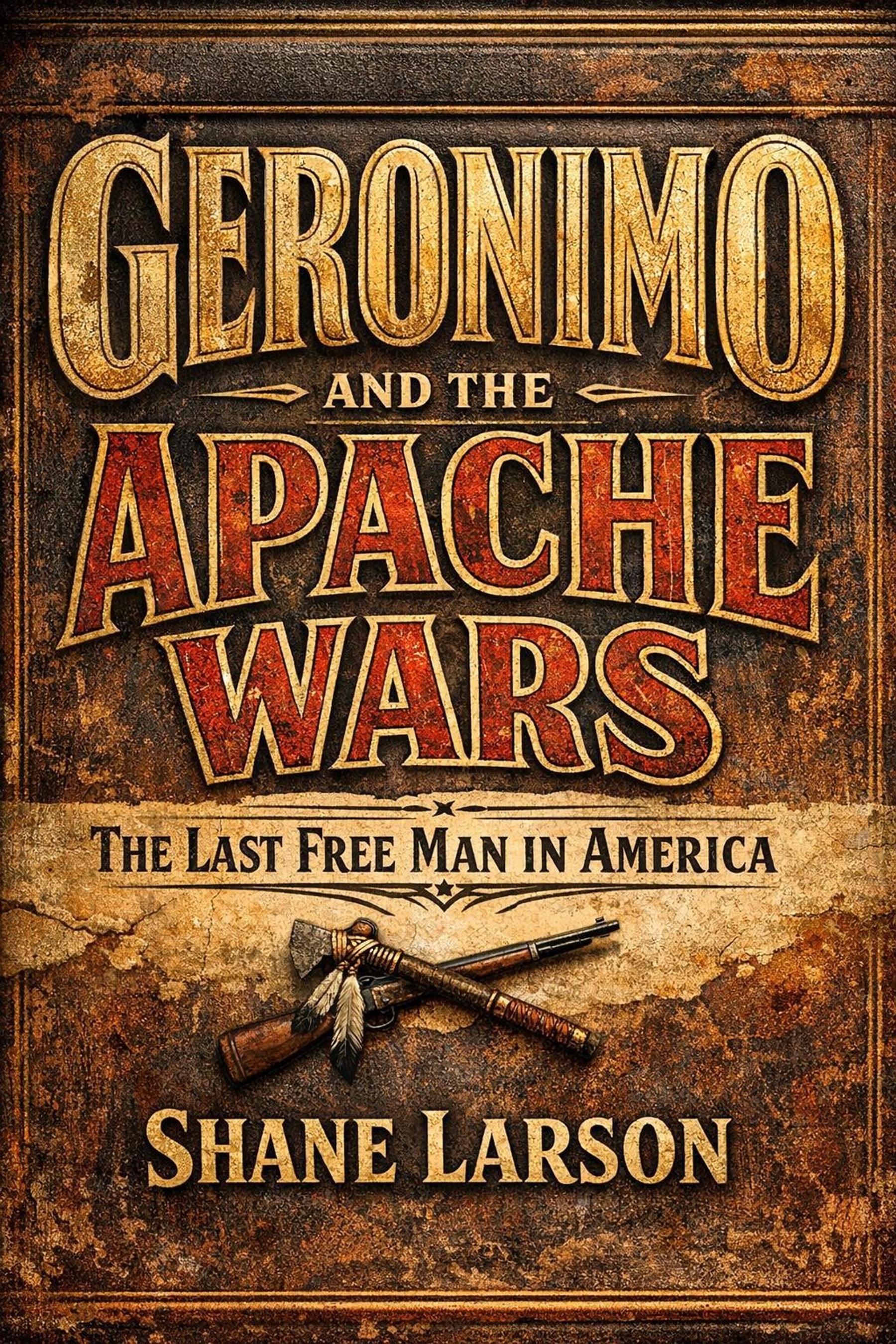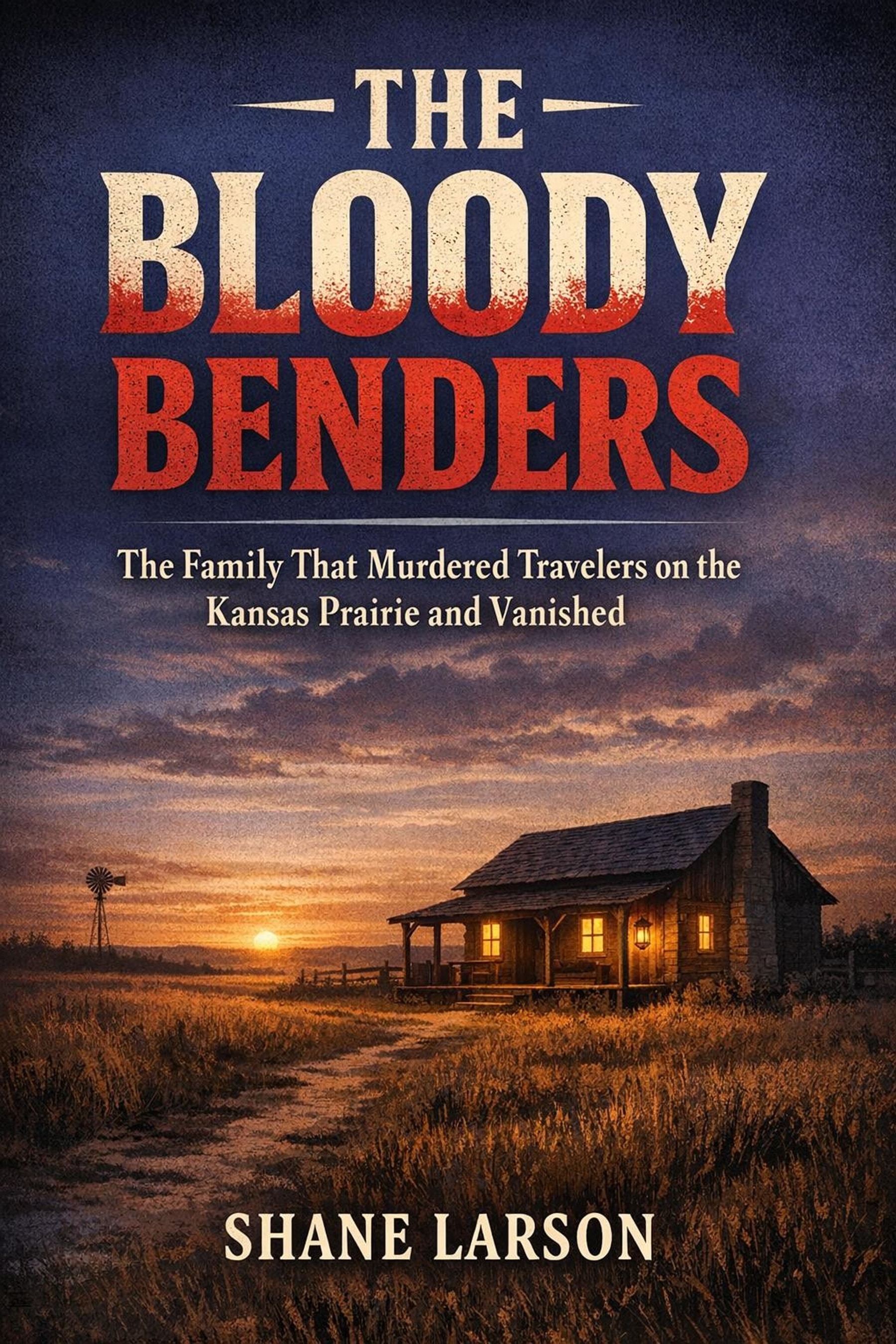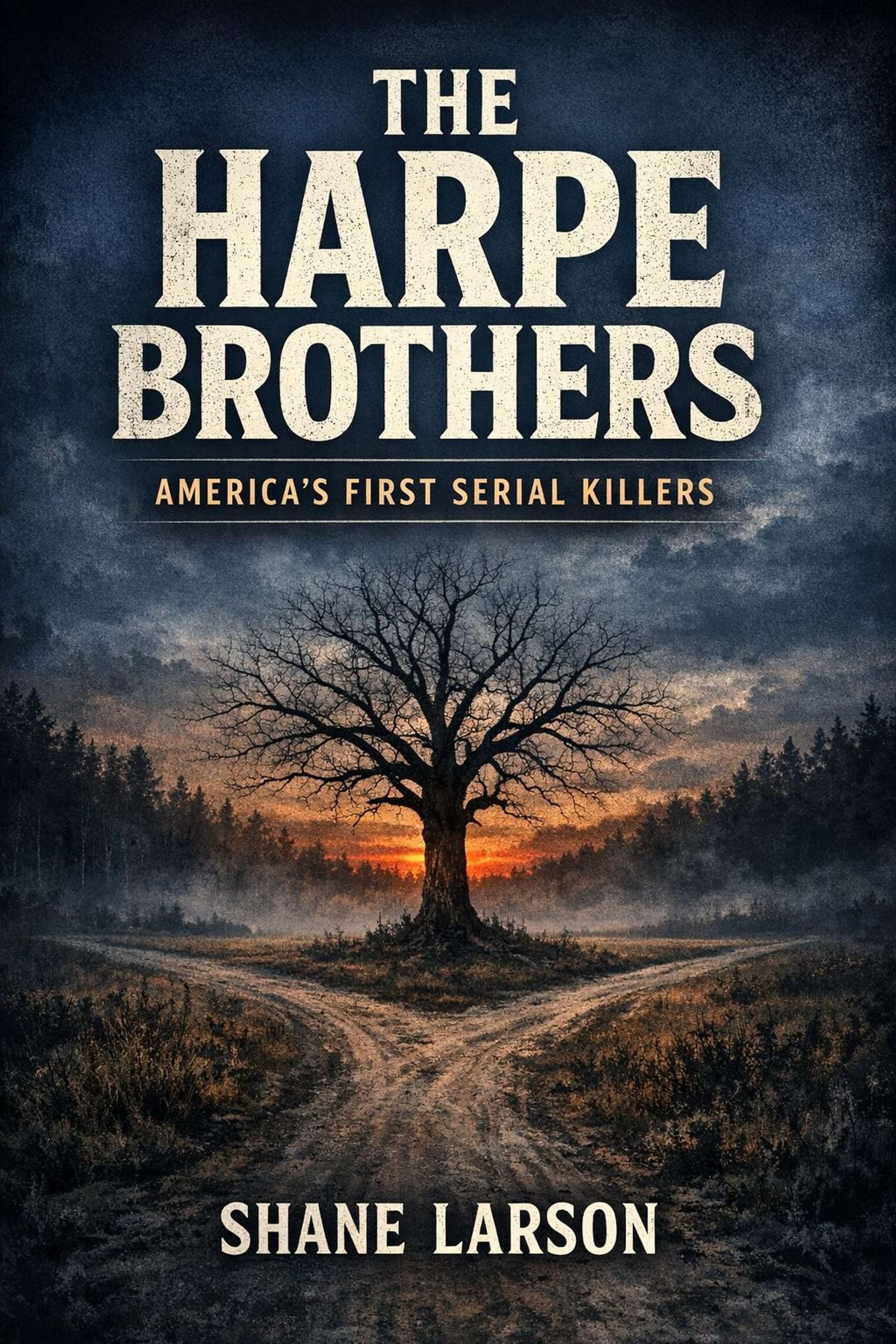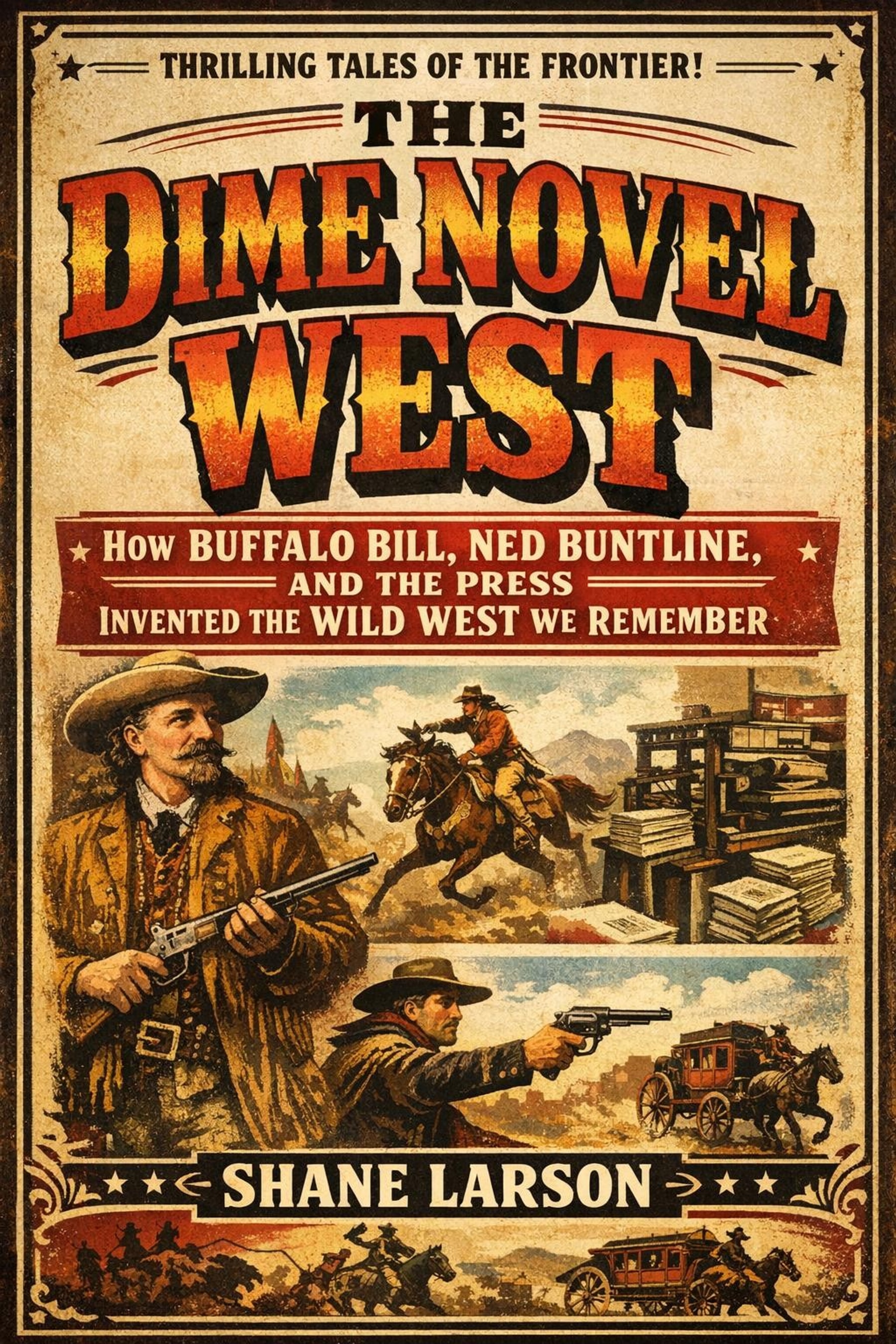
The Dime Novel West
How Buffalo Bill, Ned Buntline, and the Press Invented the Wild West We Remember
By Shane Larson · The Wild West Series (Book 17)
About This Book
In the summer of 1885, the man who defeated Custer at the Little Bighorn rode a slow lap around an arena while thousands of white spectators paid to boo him. Sitting Bull — Hunkpapa Lakota holy man, victor of the most famous battle in the history of the American West — had joined Buffalo Bill's Wild West show for fifty dollars a week and the right to sell his own autographed photographs. The frontier wars weren't even over. The myth of them was already on tour.
That single season tells you almost everything about how "the Wild West" actually got made. It wasn't remembered into existence decades later by nostalgic historians. It was manufactured in real time — by dime novelists, press agents, arena promoters, and newspaper editors who turned living men into legends while those men were still alive to cash the checks, or to watch helplessly as the printed version of themselves galloped off without them.
This book is the story of that manufacturing operation: the machinery of cheap print and staged spectacle that built the frontier myth, the people who ran it, and the money that kept it running.
The Argument
Every gunfighter biography wrestles with the same problem: somewhere between the archival record and the popular image, a distortion crept in. This book locates the distortion machine itself. It opens in 1860 with the launch of Beadle's Dime Novels — arguably the first true mass-media content engine in American history — and follows the apparatus as it scales up through serialized fiction, sensational journalism, touring arena shows, academic theory, and finally motion pictures.
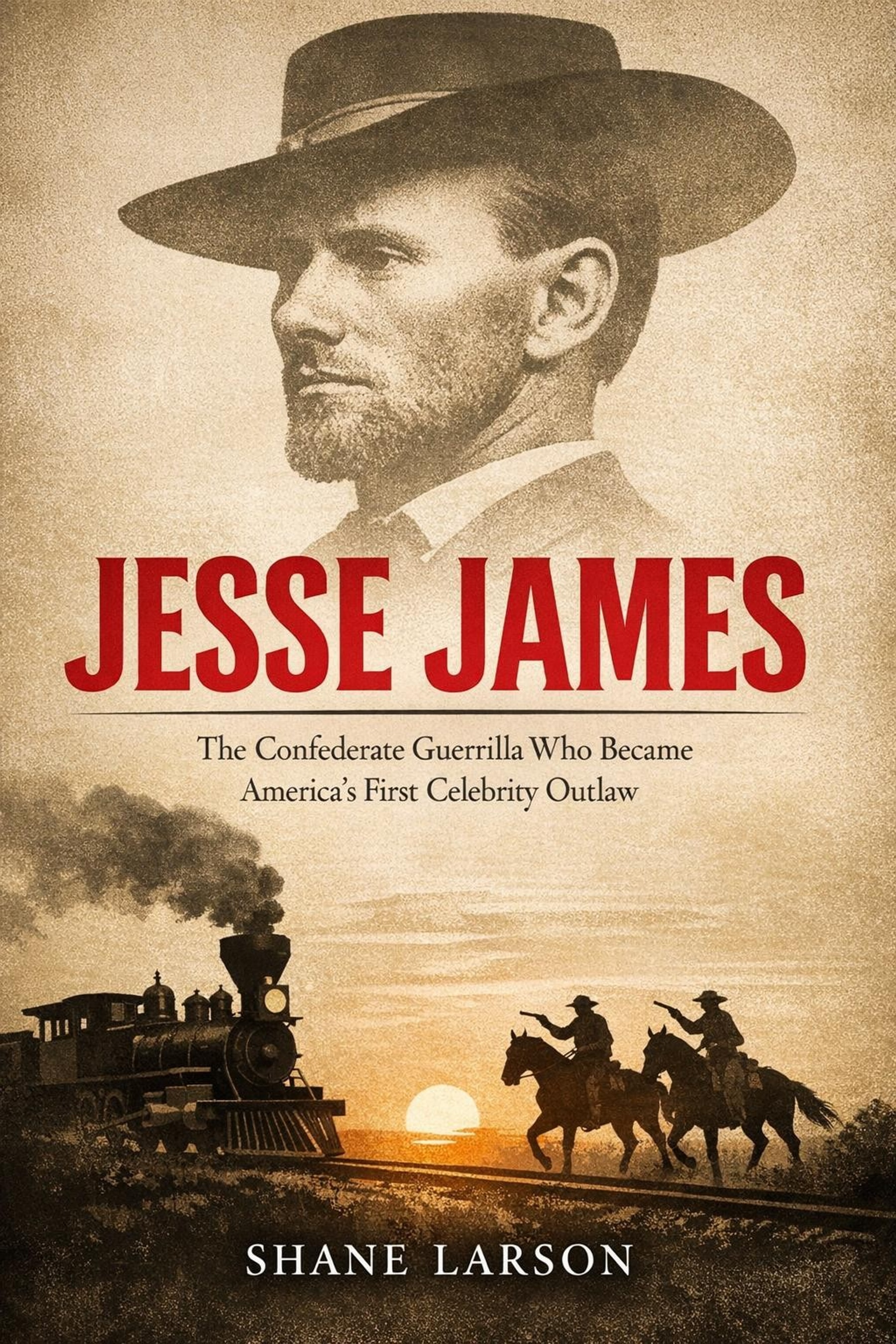
The pattern repeats with almost industrial regularity. In 1867, George Ward Nichols publishes a Harper's New Monthly Magazine profile that transforms James Butler Hickok, a capable scout and occasional gunman, into "Wild Bill," slayer of dozens. In 1869, Ned Buntline goes west looking for a hero, misses Hickok, and settles for a twenty-three-year-old scout named William F. Cody — then invents a Buffalo Bill so much larger than the original that Cody spends the rest of his life performing the fiction. John Newman Edwards, an ex-Confederate newspaperman, takes a Missouri bandit named Jesse James and dresses him as Robin Hood for a defeated South. Prentiss Ingraham alone cranks out roughly two hundred Buffalo Bill novels. And when Frederick Jackson Turner stands up at the 1893 World's Columbian Exposition to declare the frontier closed, Buffalo Bill's Wild West show is performing just outside the fairgrounds — the theory and the theater of the frontier, side by side, each certifying the other.
By the time Edwin S. Porter shoots The Great Train Robbery in 1903, the machine doesn't shut down. It changes media. The dime novel's formulas — the showdown, the chase, the noble outlaw, the lone lawman — pass directly into film, and Hollywood inherits an entire mythology already tested on millions of readers. The lens through which the world still sees the American frontier was ground in a Manhattan pulp factory, priced at ten cents.
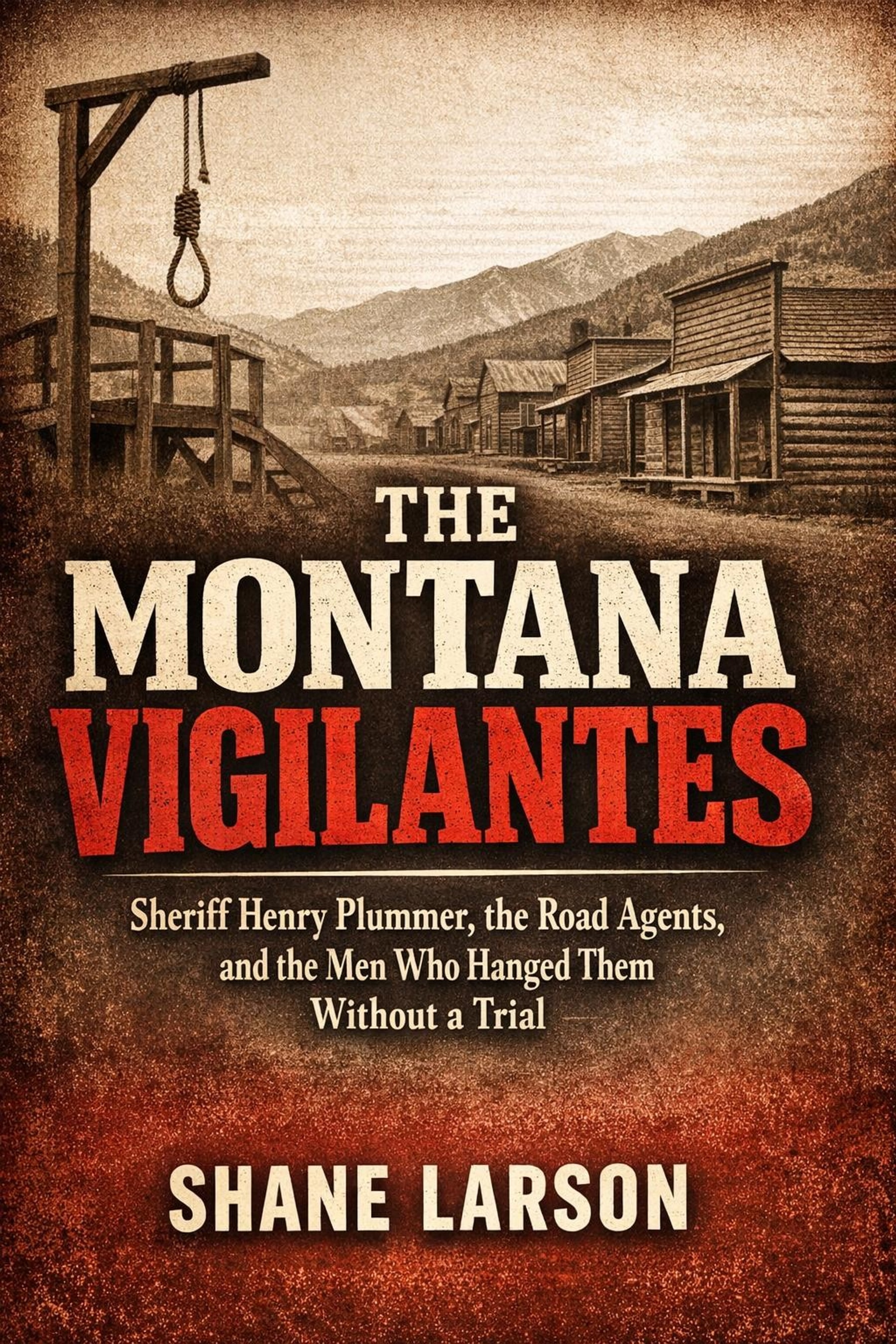
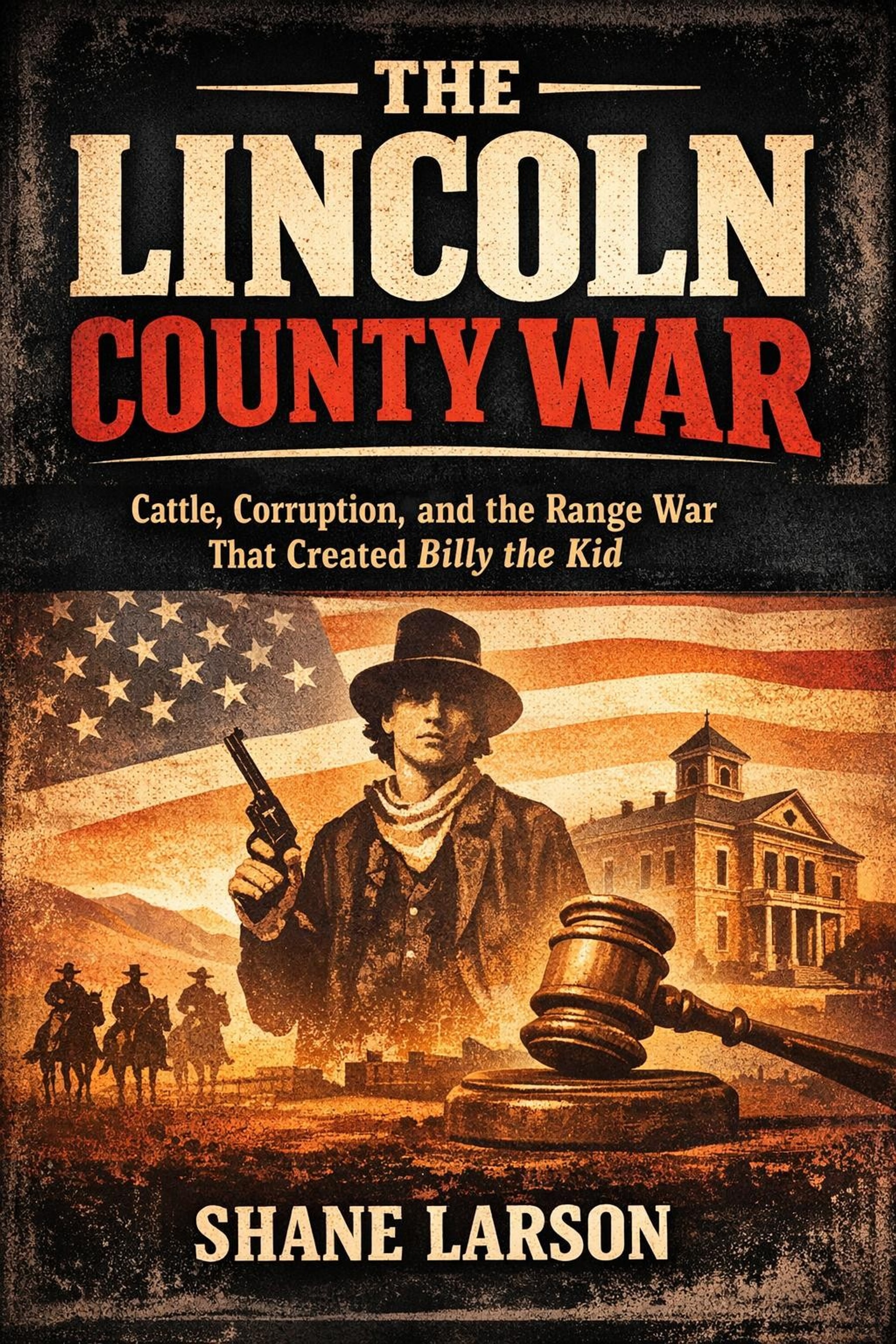
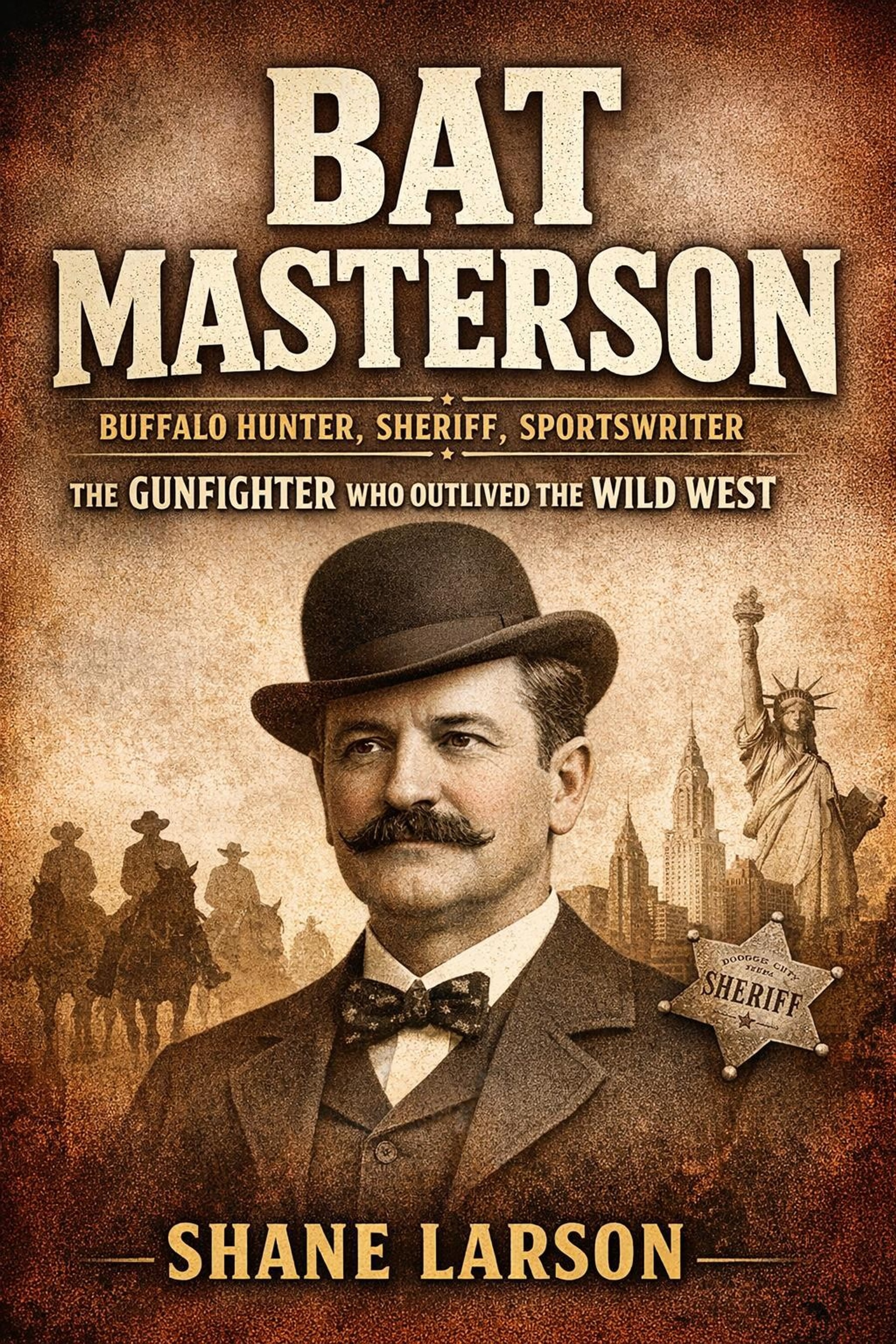
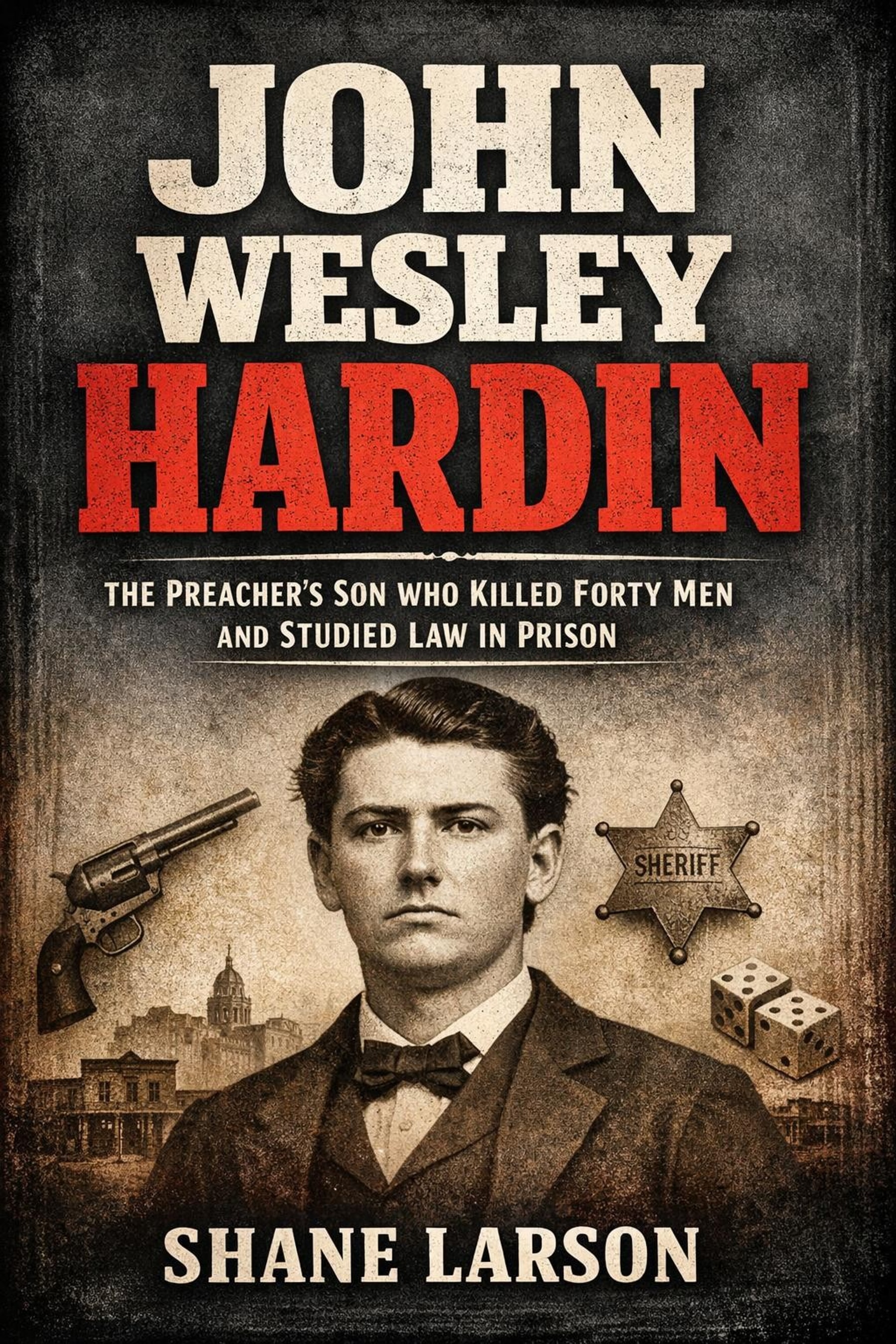
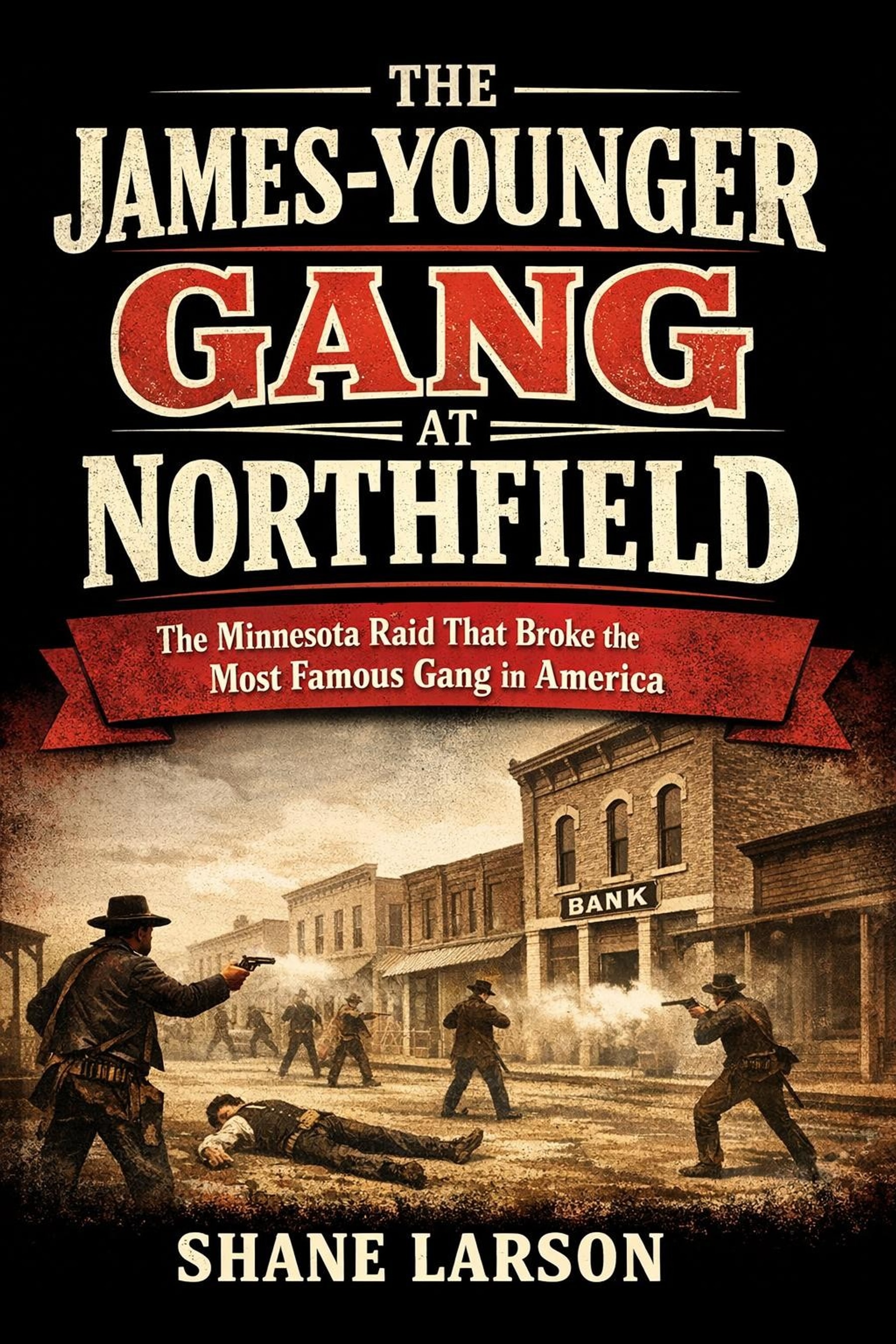
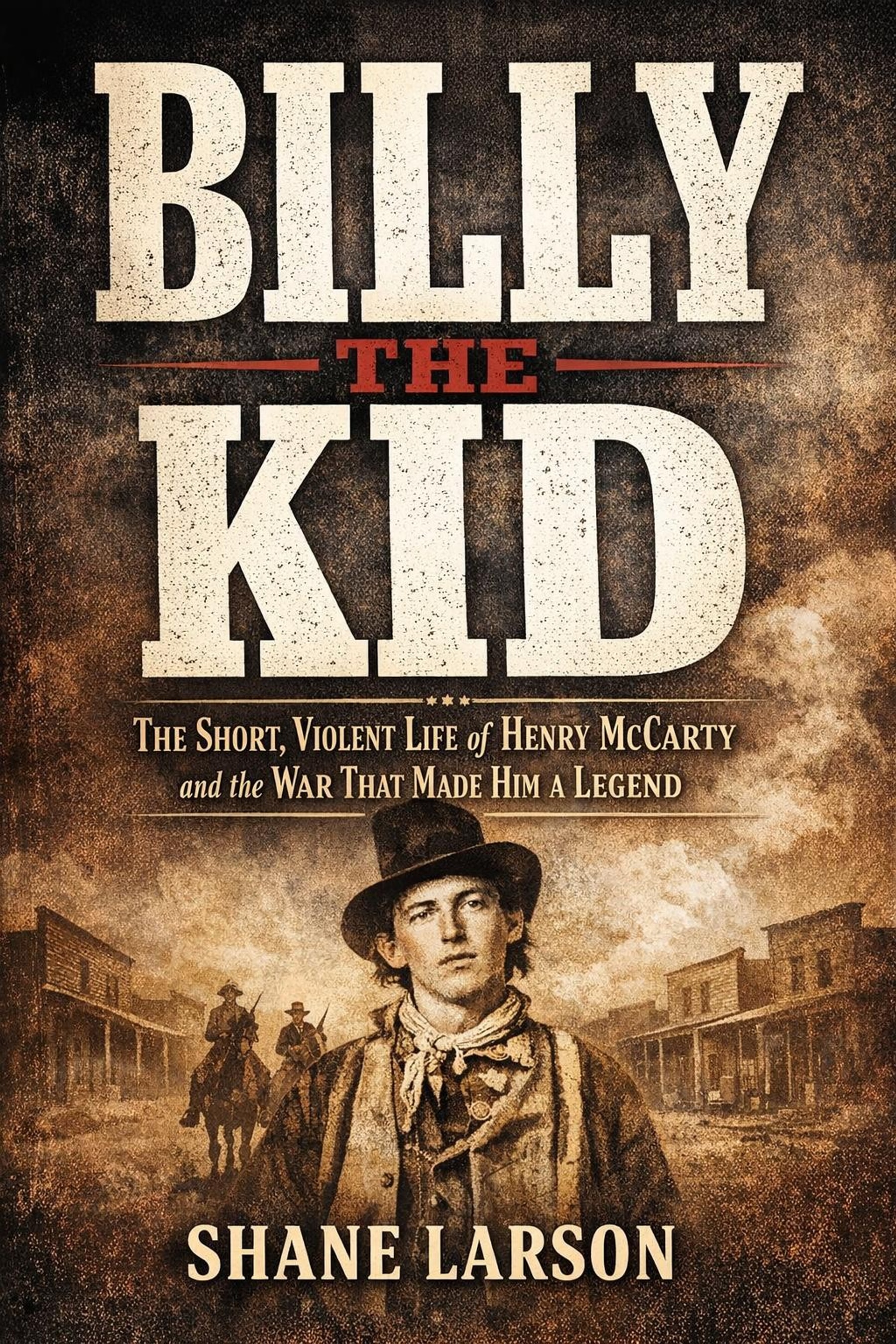
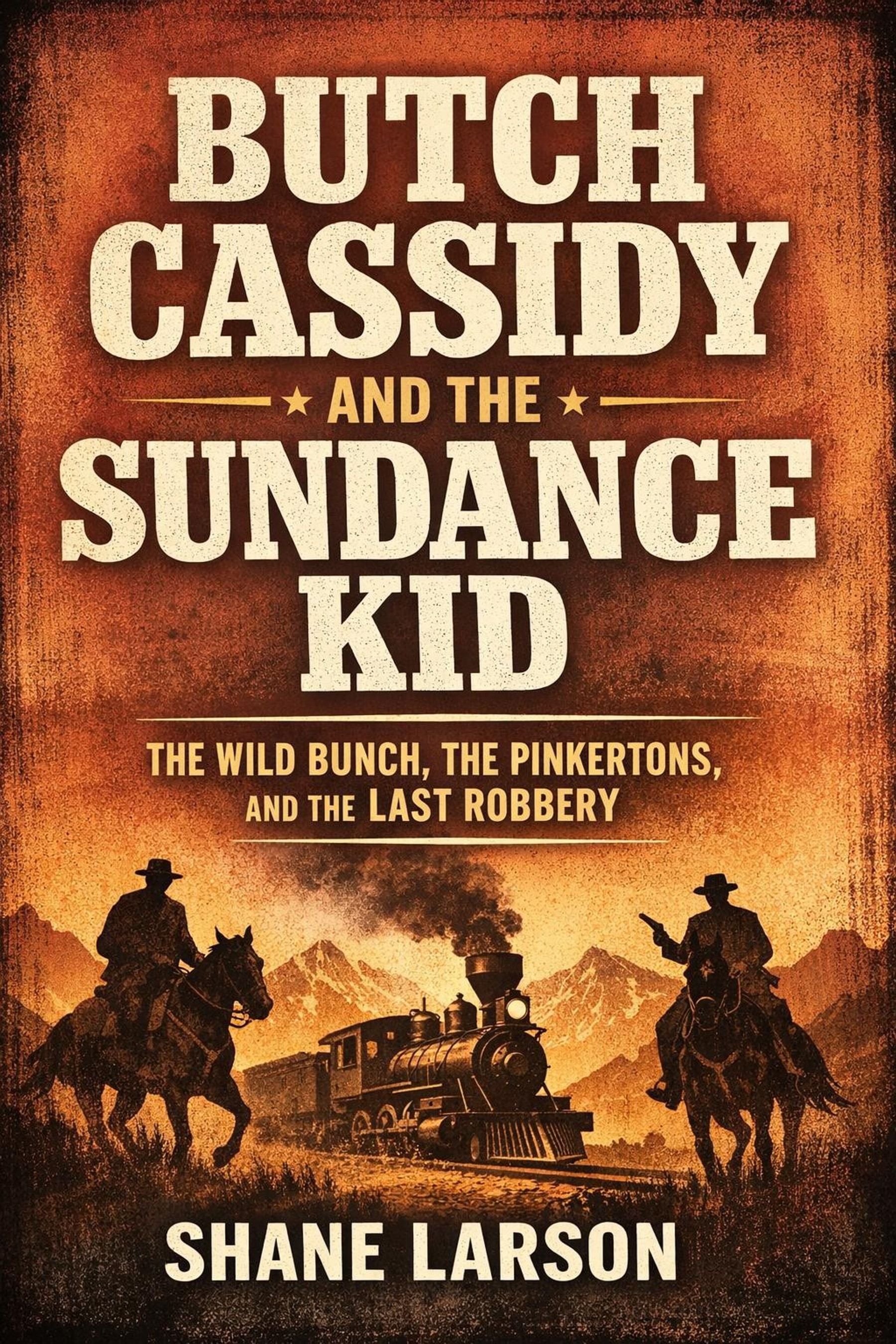
This is the capstone of the Wild West series. Where the other volumes each pry one man loose from his legend — Hickok, Wyatt Earp, Bat Masterson, Jesse James, and the rest — this one turns the camera around and examines the legend factory: who built it, how it worked, and who got rich.
What's Inside
- The rise of Beadle & Adams and the pulp production system that made Western fiction the first disposable mass entertainment in America, decades before radio or film.
- The anatomy of the Nichols Harper's profile — how one magazine article assigned Wild Bill Hickok a body count no coroner could verify, and why the correction never caught up.
- Ned Buntline's 1869 trip west, the accidental discovery of William F. Cody, and the strange feedback loop in which Cody began performing scenes from novels about himself.
- John Newman Edwards and the deliberate political rebranding of Jesse James as a folk hero of the postwar South.
- Inside Buffalo Bill's Wild West: how a touring arena show functioned as a certification engine for the myth, complete with Annie Oakley's sharpshooting and Sitting Bull's uneasy celebrity.
- The economics of legend-making — pamphlet sales, ticket receipts, newspaper circulation wars, and the two hundred Buffalo Bill titles Prentiss Ingraham produced on deadline.
- Frederick Jackson Turner's frontier thesis and its odd symbiosis with the very spectacle it seemed to stand above.
- The 1903 handoff to cinema: how The Great Train Robbery imported the dime novel's plots, icons, and appetite for legend over fact into the new medium.
- Why the manufactured frontier outlived, and largely replaced, the documented one.
Why I Wrote This
Every book I wrote in this series ran into the same wall. I'd chase a claim about Hickok or Earp or Masterson back through the sources, and the trail almost always ended at the same handful of places: a dime novel, a self-serving memoir, a newspaper that needed circulation, or a show program. After the tenth or eleventh time, the more interesting question stopped being "what did this man actually do?" and became "who kept lying about him, and why did the lies pay so well?" That question turned out to have a concrete answer — names, dates, print runs, ticket prices. The myth of the Wild West wasn't a fog that gathered over time. It was a product, with manufacturers and a supply chain. This book is my attempt to map the factory floor.
Frequently Asked Questions
Do I need to read the other Wild West books first?
No. This volume stands entirely on its own — it follows the myth-makers rather than any single gunfighter, so no prior knowledge of the series is assumed. That said, readers who have already met Hickok, Earp, or Jesse James in the earlier volumes will recognize exactly where the legends they encountered came from.
Is this an academic media-history book?
It's narrative history written for general readers. The book engages with scholarship — including Frederick Jackson Turner's frontier thesis and its critics — but it tells the story through people, scenes, and money rather than theory. No footnote-chasing required.
Does it cover the transition to Hollywood Westerns?
Yes. The final arc follows the myth machine's handoff from print and arena spectacle to film, beginning with The Great Train Robbery in 1903, and traces how the dime novel's formulas became the template for the Hollywood Western.
How does this book treat Sitting Bull and Native performers?
Directly and without flinching. The book examines how Native people — most famously Sitting Bull during his 1885 season with Buffalo Bill's Wild West — were cast inside a myth built largely at their expense, and what participation in the spectacle actually meant for the performers themselves.
Is this book available on Kindle Unlimited?
Yes. Like the rest of the Wild West series, it's enrolled in Kindle Unlimited, so subscribers can read it at no additional cost.
If You Liked This, You Might Like
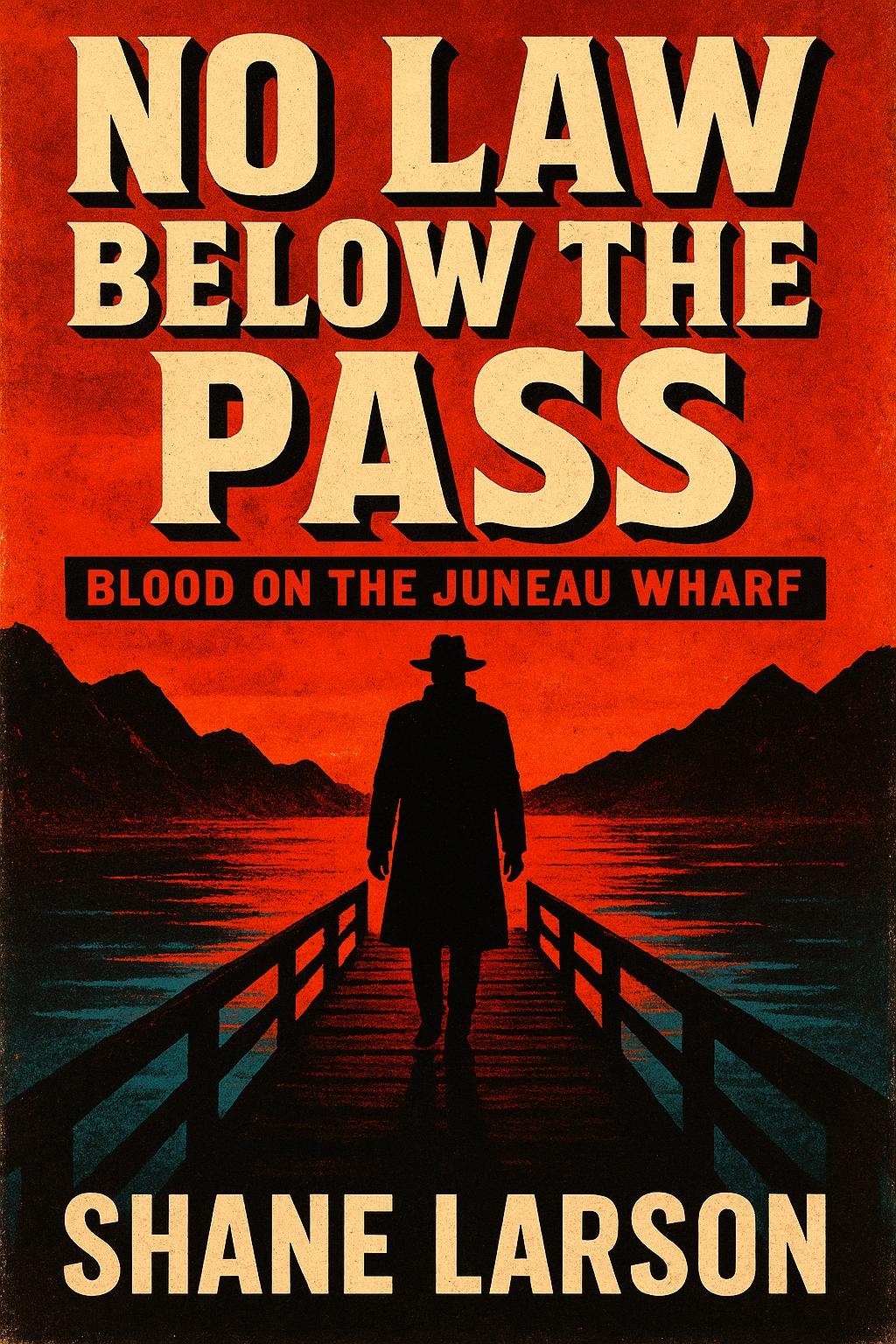
- No Law Below the Pass — a frontier thriller set in gold-rush Skagway, where the lawlessness the dime novels romanticized plays out with real consequences.
- Cleopatra's Egypt — the ancient world's most famous victim of hostile myth-making; Roman propaganda did to Cleopatra what the pulps did to the gunfighters.
- Digital Outlaws — a century later, the press built outlaw legends all over again, this time around hackers instead of gunmen.
The frontier closed. The product line never did. This is the story of the machine that turned the American West into the most durable legend ever sold — and the men who ran it while the West was still wild.
The capstone volume of the Wild West series from Peak Grizzly Publishing.
Included with Kindle Unlimited — read it free if you're a member.
New Wild West / American Frontier History releases and free chapters — no spam, unsubscribe anytime.
More in The Wild West Series
View series →