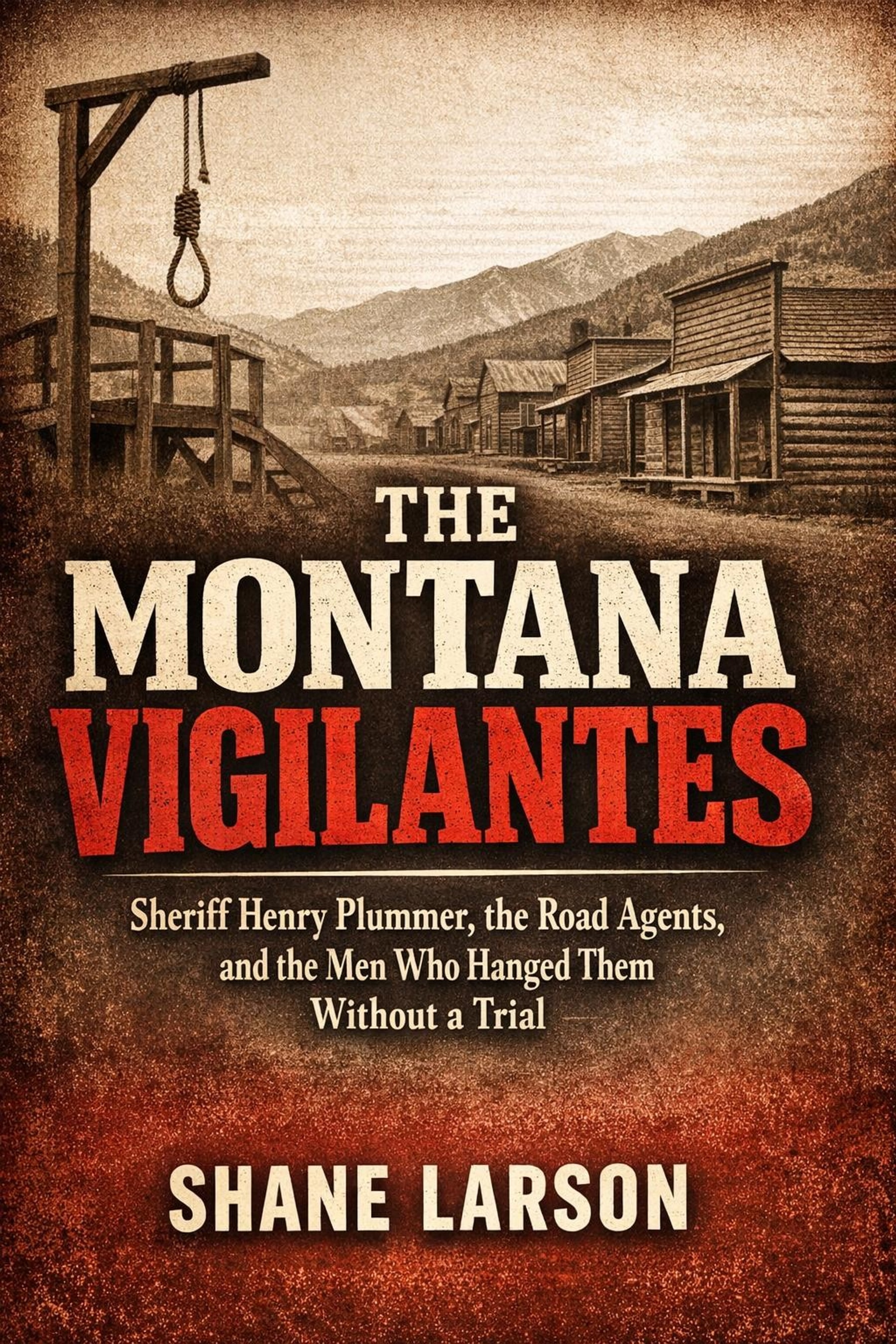
The Montana Vigilantes
Sheriff Henry Plummer, the Road Agents, and the Men Who Hanged Them Without a Trial
By Shane Larson · The Wild West Series (Book 5)
About This Book
January 10, 1864. Bannack, Montana Territory. Snow on the ground, and a crowd gathering at a half-finished gallows. The man being walked toward it is the sheriff — elected by these same miners less than a year earlier. Henry Plummer offers his captors his weight in gold. He asks for time to write a letter to his sister. He asks, finally, for a decent drop so the end will be quick. The Vigilance Committee refuses all three. No judge has heard a word of evidence against him, and none ever will. The rope goes over the beam of a gallows Plummer himself had ordered built.
Within a few weeks, some twenty-one men were dead the same way — seized in secret, "tried" under the noose, and hanged by a committee that answered to no one. Then the men who did the hanging wrote the books that explained why it was all necessary. For a hundred and fifty years, that version stood as Montana's founding legend.
This book asks the question the legend was built to bury: what if they hanged the wrong man?
The Story
In 1863, the gold camps at Grasshopper Creek and Alder Gulch were producing staggering wealth in a place with no courts, no jails, and no government worth the name. Gold dust moved out along mountain trails, and along those same trails, travelers were robbed and murdered at a rate that terrified the camps. Somebody had to keep order. Two rival answers emerged — and the collision between them is one of the darkest, strangest crime stories in the history of the American West.
The first answer was Henry Plummer: young, articulate, magnetic, and elected sheriff of Bannack by the very miners he was accused of preying on. The second was the Montana Vigilantes — merchants and miners who organized in secret, adopted the still-unexplained cipher "3-7-77," and began pulling suspected road agents out of cabins and saloons. Confessions came fast once a rope was around a man's neck. The most explosive of them named the sheriff himself as the hidden chief of the road agent gang.
The vigilantes moved before any court could. Plummer and his two deputies died first; the hangings continued through the winter until the trails went quiet. Then Thomas Dimsdale and Nathaniel Langford — both aligned with the committee — published the accounts that became the accepted record. It is one of the cleanest examples in American history of the winners writing the story: nearly everything we "know" about Plummer's guilt comes from the men who killed him and needed the killing to have been righteous.
This book runs the saga at full narrative speed — the strikes, the murders, the manhunts, the hangings — and then turns around and cross-examines the evidence like a modern cold case. Coerced confessions. Vanished corroboration. A sheriff with a genuinely checkered past who may nonetheless have been innocent of the one crime that mattered. And a committee that, having tasted unaccountable power, did not stop when the emergency ended.
What You'll Discover
- Why the richest gold camps on earth had no functioning courts — and how that vacuum made both a sheriff and a secret committee possible
- The killing of Nicholas Tbalt and the extraordinary open-air trial of George Ives, watched by a thousand miners, that set the machinery of vengeance in motion
- What actually happened on the gallows at Bannack, reconstructed from the surviving accounts — including Plummer's final pleas
- The problem at the heart of the case: confessions extracted from men about to die, recorded only by the men killing them
- Where "3-7-77" came from, what it may have meant, and why it still appears on the Montana Highway Patrol's shoulder patch
- How Dimsdale's The Vigilantes of Montana and Langford's later account transformed a mass lynching into a civic founding myth
- The committee's slide from emergency justice into standing, unaccountable power — and the men it hanged after the crisis had passed
- The modern historians' case for Plummer's innocence, and an honest accounting of what we can and cannot know a century and a half later
Why I Wrote This
Most Wild West stories in this series have a villain you can point to. This one doesn't — or rather, it has two candidates, and the evidence pointing at each was written by the other side. What hooked me was realizing that the entire case against Henry Plummer rests on sources produced by the men who hanged him. Strip those away and you have an elected sheriff strangled in the snow without trial. Leave them in and you have the mastermind of a murder gang getting exactly what he deserved. I wanted to write the story both ways at once: the thriller the legend tells, and the uncomfortable inquiry the record actually supports. The question of who gets to enforce the law when there is no law felt worth sitting with rather than resolving too neatly.
Frequently Asked Questions
Was Henry Plummer actually guilty?
Honestly: nobody knows, and this book doesn't pretend otherwise. The traditional case for his guilt is substantial but rests almost entirely on vigilante-aligned sources and confessions given under the noose. Modern researchers have raised serious doubts, and Montana even held a symbolic posthumous trial in 1993 that ended in a hung jury. The book lays out both cases and lets you weigh them.
Is this a narrative history or an academic study?
Narrative history. The first half reads like a frontier crime thriller — because the events genuinely were one — while the second half turns investigative, examining the sources and the case against Plummer. There are no footnote thickets, but the book stays anchored to the documented record throughout.
What does "3-7-77" mean?
It was the vigilantes' warning sign, and its exact meaning has never been settled — theories range from grave dimensions to a deadline to leave town. The book walks through the leading explanations and traces how the symbol ended up on the Montana Highway Patrol patch, where it remains today.
Do I need to read the other Wild West books first?
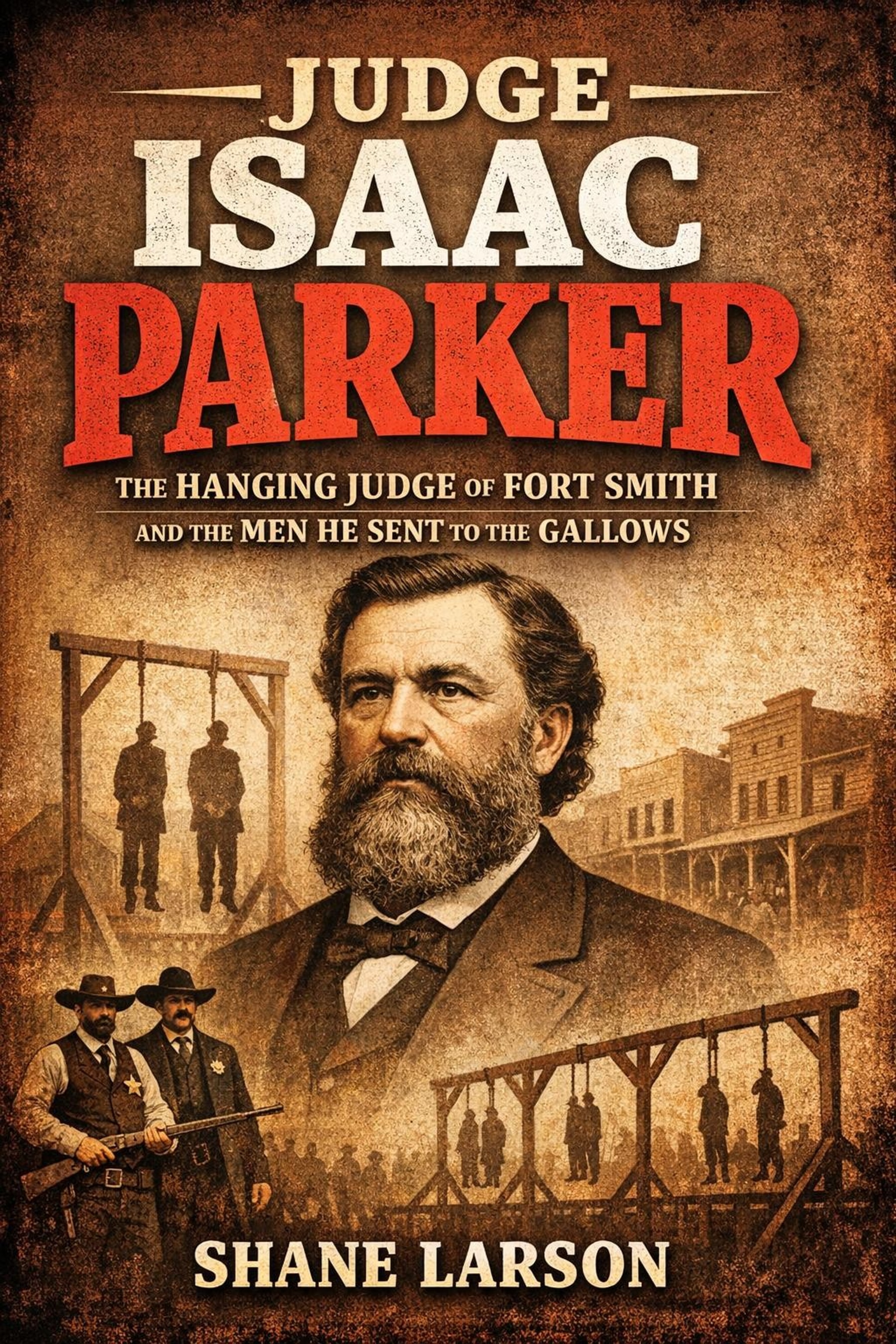
No. Every book in The Wild West series stands alone. If you enjoy this one, the closest companions in spirit are The Johnson County War and Judge Isaac Parker, which approach the same core problem — order, law, and power on the frontier — from different angles.
Is this book available on Kindle Unlimited?
Yes. Like the rest of the series, it's enrolled in Kindle Unlimited, so subscribers can read it at no additional cost.
If You Liked This, You Might Like
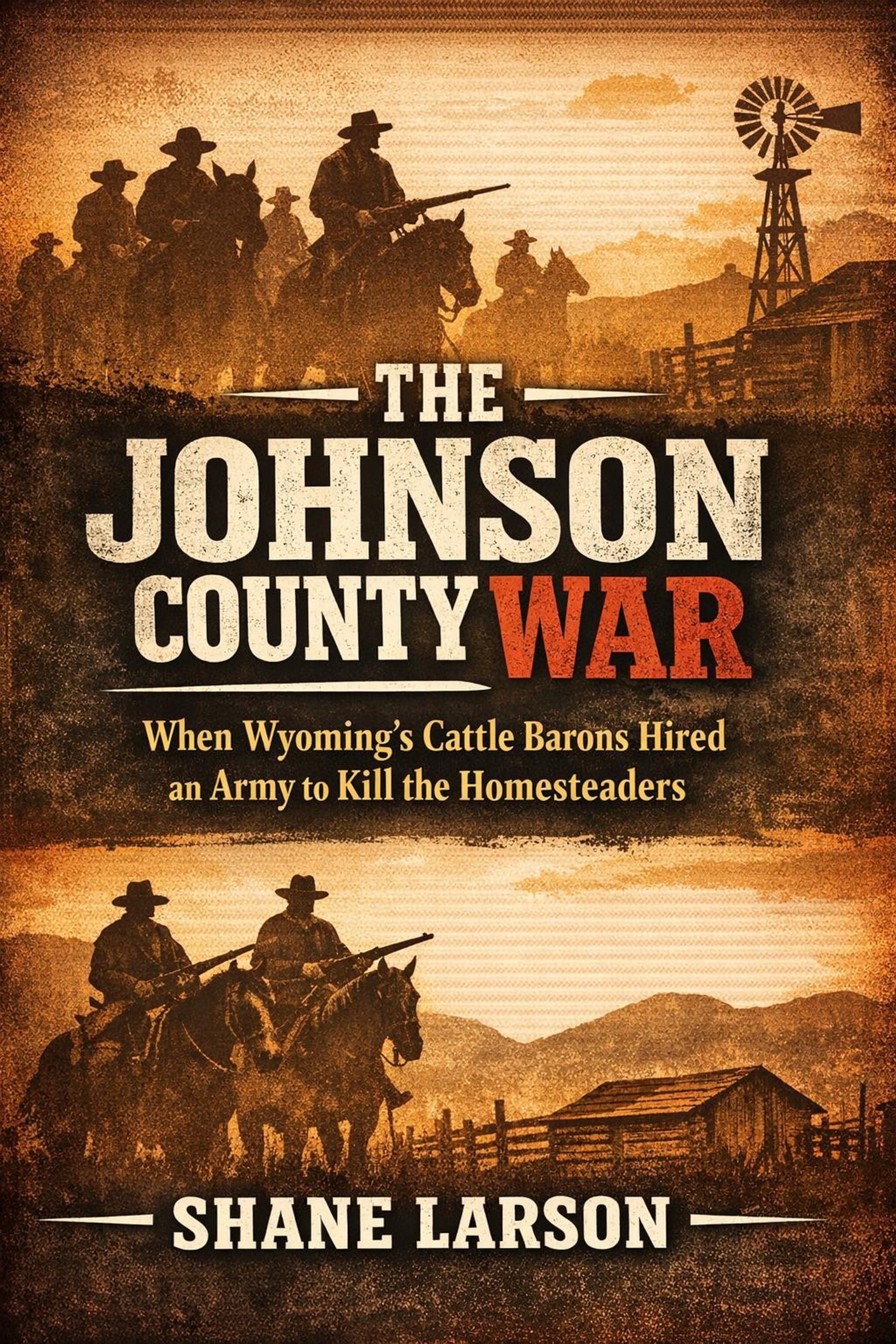
- The Johnson County War — another frontier conflict where powerful men decided the law didn't apply to them, with hired guns instead of a hangman's committee.
- Judge Isaac Parker — the other side of the coin: what frontier justice looked like when there was a real court, and a judge determined to use it.
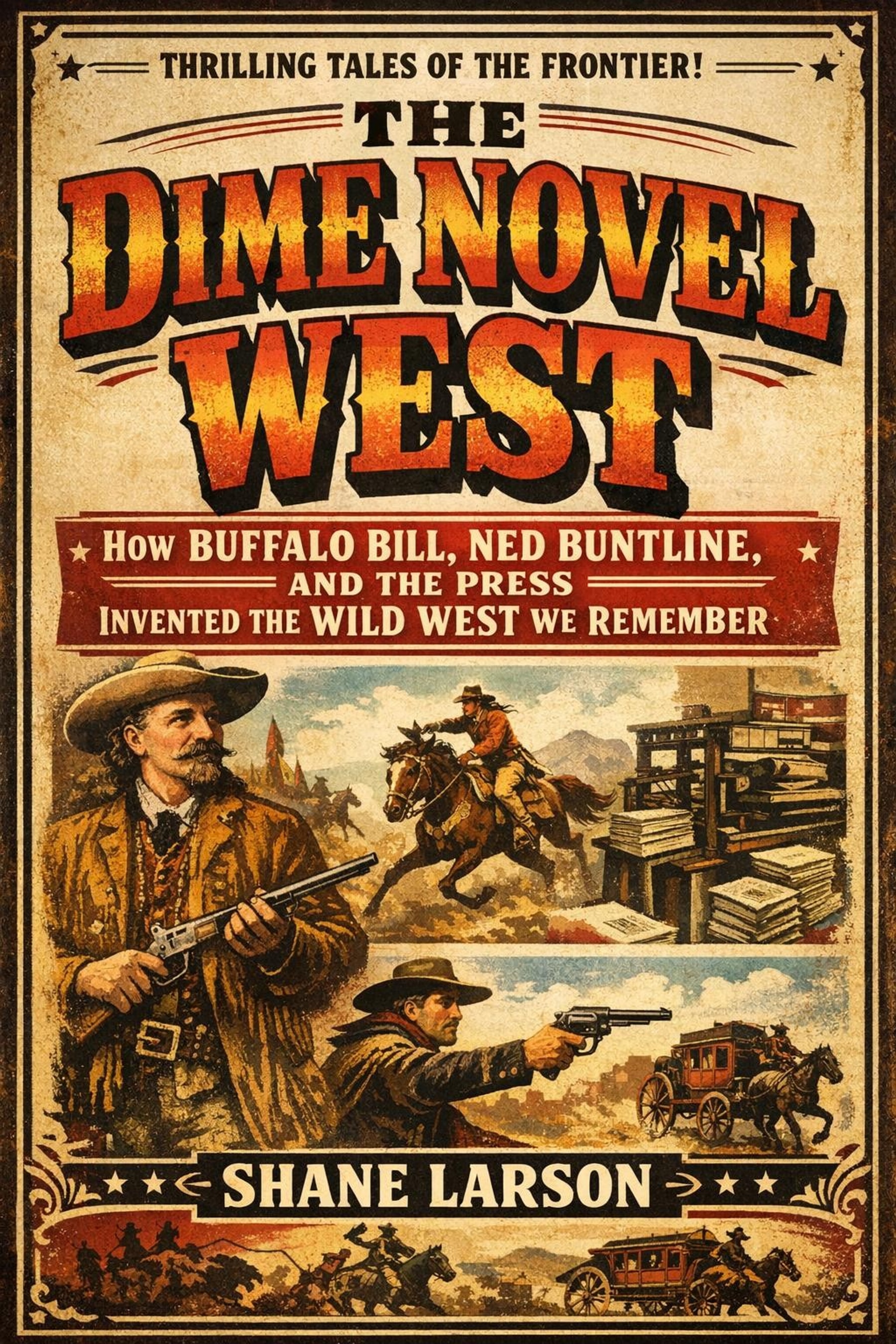
- The Dime Novel West — how the West's myths got manufactured, a perfect companion to a story where the victors quite literally published the history.
A gold-camp murder saga told at full gallop, and a hard look at the men who hanged a sheriff and then wrote the verdict afterward. Part of The Wild West series from Peak Grizzly Publishing.
Included with Kindle Unlimited — read it free if you're a member.
New Wild West / American Frontier History releases and free chapters — no spam, unsubscribe anytime.
More in The Wild West Series
View series →