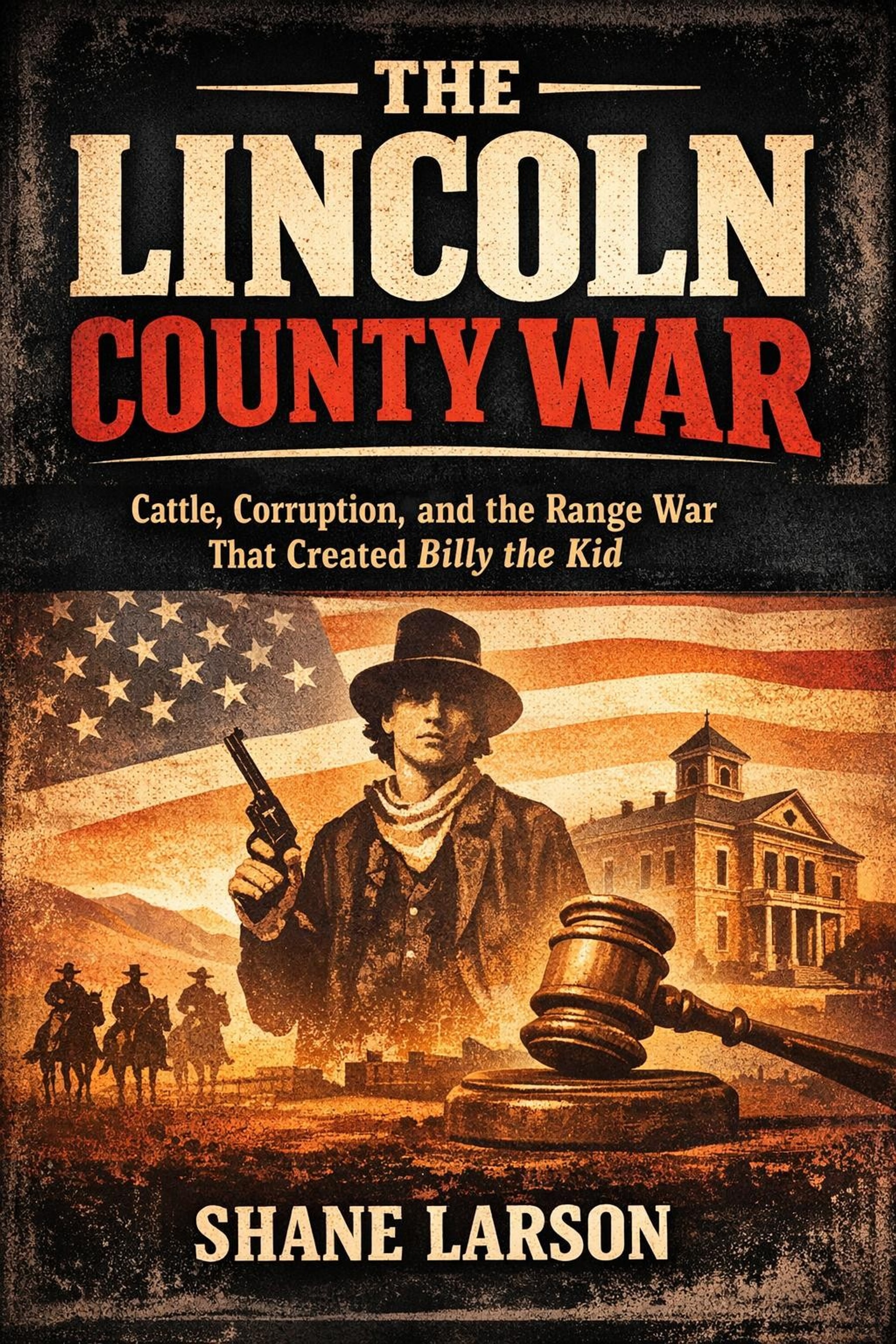
The Lincoln County War
Cattle, Corruption, and the Range War That Created Billy the Kid
By Shane Larson · The Wild West Series (Book 6)
About This Book
By July 1878, the town of Lincoln, New Mexico had two sheriffs, two armies, and no law anyone trusted.
For five days that month, gunmen fired at each other across a single dusty street while women and children sheltered behind adobe walls. Then a column of U.S. Army cavalry rode into town with a mountain howitzer and a Gatling gun — not to stop the fighting, but to tip it. By nightfall on the fifth day, the house of lawyer Alexander McSween was burning, McSween was dead in his own yard, and a nineteen-year-old survivor sprinted out of the flames into American legend. His name was William Bonney. History remembers him as Billy the Kid.
But the Lincoln County War didn't start with Billy the Kid, and it wasn't about him. It started with a store.
The War Behind the Legend
In the 1870s, Lincoln County was the largest county in the United States — bigger than several eastern states combined — and nearly all of its economy ran through one mercantile firm. "The House" of Lawrence Murphy and James Dolan controlled the credit that small ranchers lived on, the supply chains that fed the county, and the lucrative federal contracts to provision Fort Stanton and the Mescalero Apache agency. Through its alliance with the Santa Fe Ring — the territory-wide network of politicians, judges, and attorneys who ran New Mexico for profit — the House also controlled something more valuable than any contract: the machinery of justice itself.
Then two outsiders decided to compete. John Tunstall, a young English rancher with family money, opened a rival store and bank in Lincoln. His partner, the combative Scottish-born lawyer Alexander McSween, supplied the legal aggression; cattle baron John Chisum supplied the backing. They weren't just undercutting the House's prices — they were threatening the monopoly's entire architecture of debt, contracts, and captured courts.
The House responded the way captured institutions always do: with the law as a weapon. A dubious legal writ. A sheriff's posse stacked with hired gunmen. And on February 18, 1878, John Tunstall shot dead on a mountain trail — killed by men acting under color of legal authority, which meant no court in the territory would ever punish them.
The Lincoln County War follows what happened next: the Regulators who rode to avenge Tunstall, the assassination of Sheriff Brady in the streets of Lincoln, the shootout at Blazer's Mills, the Five-Day Battle that ended with the Army shelling a civilian dispute, and the long aftermath in which Governor Lew Wallace — who wrote Ben-Hur between amnesty negotiations — tried and failed to deliver justice. This is institutional history told at the pace of a thriller: who owned what, who controlled which courtroom, and why every warrant in the war was really a weapon.
What's Inside
- The anatomy of a captured county: how one firm's grip on credit, beef contracts, and the courthouse made honest competition a death sentence in New Mexico Territory
- John Tunstall's fatal miscalculation — the belief that capital and English propriety could beat a monopoly that owned the sheriff
- The Regulators dissected: who actually rode with them, what legal authority they claimed, and how a revenge posse became an army
- The killing of Sheriff William Brady, and why an assassination in broad daylight made political sense to men who had watched the courts fail
- Blazer's Mills and the death of Buckshot Roberts — the war's strangest gunfight, where one wounded man held off fourteen
- Five days in July: a street-by-street account of the largest sustained gunfight of the frontier era, culminating in the burning of the McSween house
- Colonel Dudley's intervention — the documented story of how the U.S. Army marched artillery into an American town and swung a civil conflict
- The reckoning that never came: the federal Angel investigation, the Dudley court of inquiry, Governor Wallace's broken amnesty promise, and the single conviction the war produced — a teenager named Billy the Kid
Why I Wrote This
Every version of this story I encountered growing up got it backwards. Billy the Kid was the headline, and the war was scenery — a vague backdrop of "cattle interests" behind the gunfighter legend. When I finally read the primary record, I found something much stranger and more damning: a fully documented case study of a captured government, investigated by federal agents in real time, with the paper trail intact. The Angel report names names. The Dudley inquiry transcripts survive. And the story they tell is that the most famous outlaw in American history was manufactured by a system that prosecuted its scapegoat and pardoned itself. I wanted to write the book where the money and the courthouse stay in the foreground, and the gunfights make sense because of them.
Frequently Asked Questions
Do I need to read Billy the Kid first?
No. Each book in The Wild West series stands alone. This volume covers the war itself — the monopoly, the murder of Tunstall, the Regulators, and the Five-Day Battle — while Billy the Kid follows Bonney's full life and Pat Garrett covers the manhunt that ended it. Read in any order; together they form a complete arc.
Is this a Billy the Kid biography?
No, and that's the point. Billy the Kid appears here as what he actually was during the war: a young hired gun on the Tunstall-McSween side, one Regulator among many. The book's argument is that the war created the legend, not the other way around. If you want his life story, that's the companion volume.
What sources is the book based on?
The documented record: the federal investigation conducted by special agent Frank Warner Angel in 1878, the military court of inquiry into Colonel Dudley's conduct, territorial court records, and the papers of Governor Lew Wallace. Where the legend and the paper trail diverge, the book follows the paper trail and says so.
Does it cover the Santa Fe Ring?
Yes, in depth. The Ring — the territorial network of attorneys, judges, and officials that protected the Murphy-Dolan interests — is treated as a central actor in the war, not background color. Understanding the Ring is what makes the war's strangest fact make sense: that almost no one was ever punished for it.
Is this book available on Kindle Unlimited?
Yes. Like the rest of the Peak Grizzly catalog, it's enrolled in Kindle Unlimited, so subscribers can read it at no additional cost.
Is this part of a series?
Yes — Book 3 of The Wild West series, which covers the outlaws, lawmen, and range wars of the American frontier through the documented record rather than the dime-novel legend.
If You Liked This, You Might Like
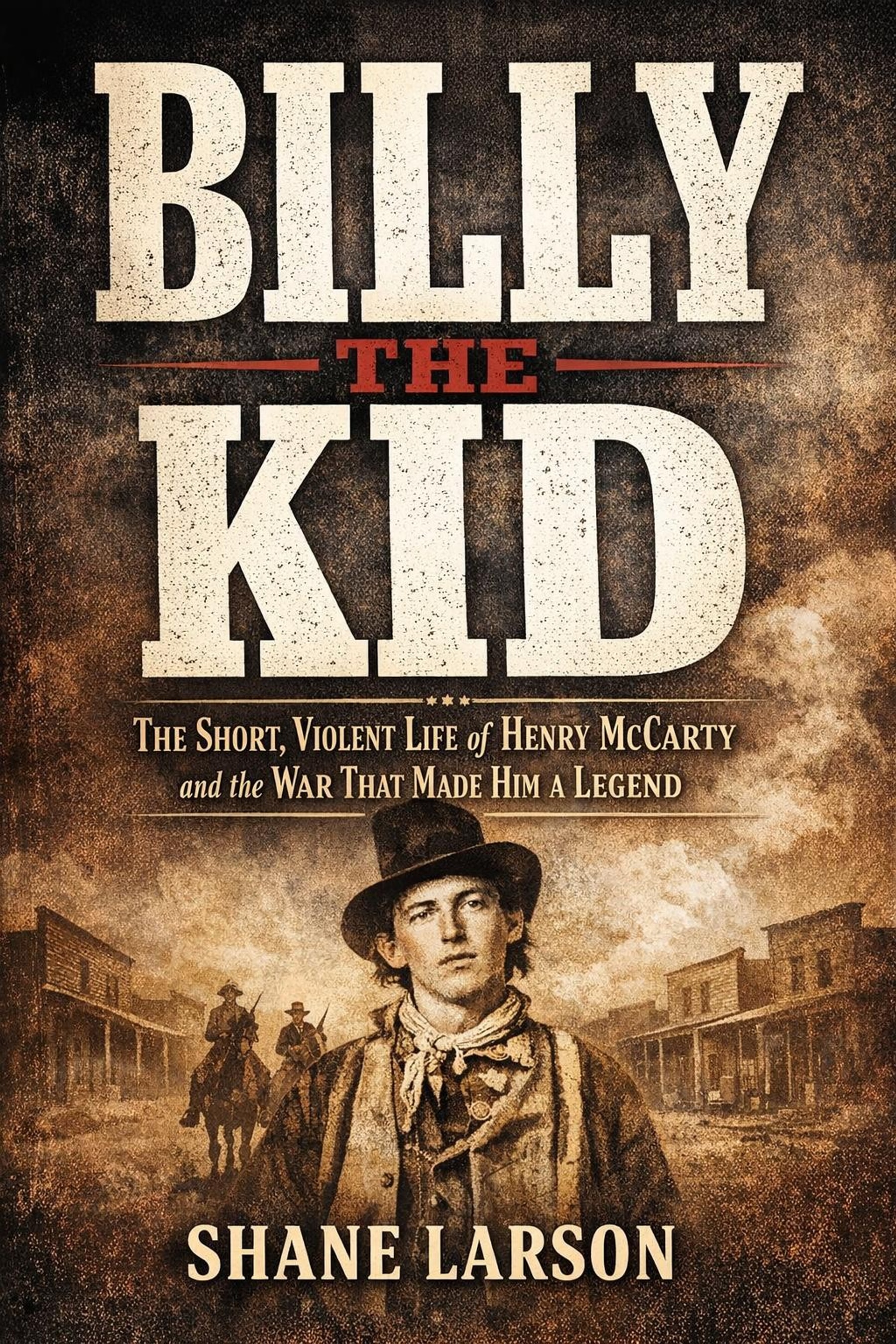
- Billy the Kid — the life of the young gunman this war created, from Silver City orphan to the most famous outlaw in American history.
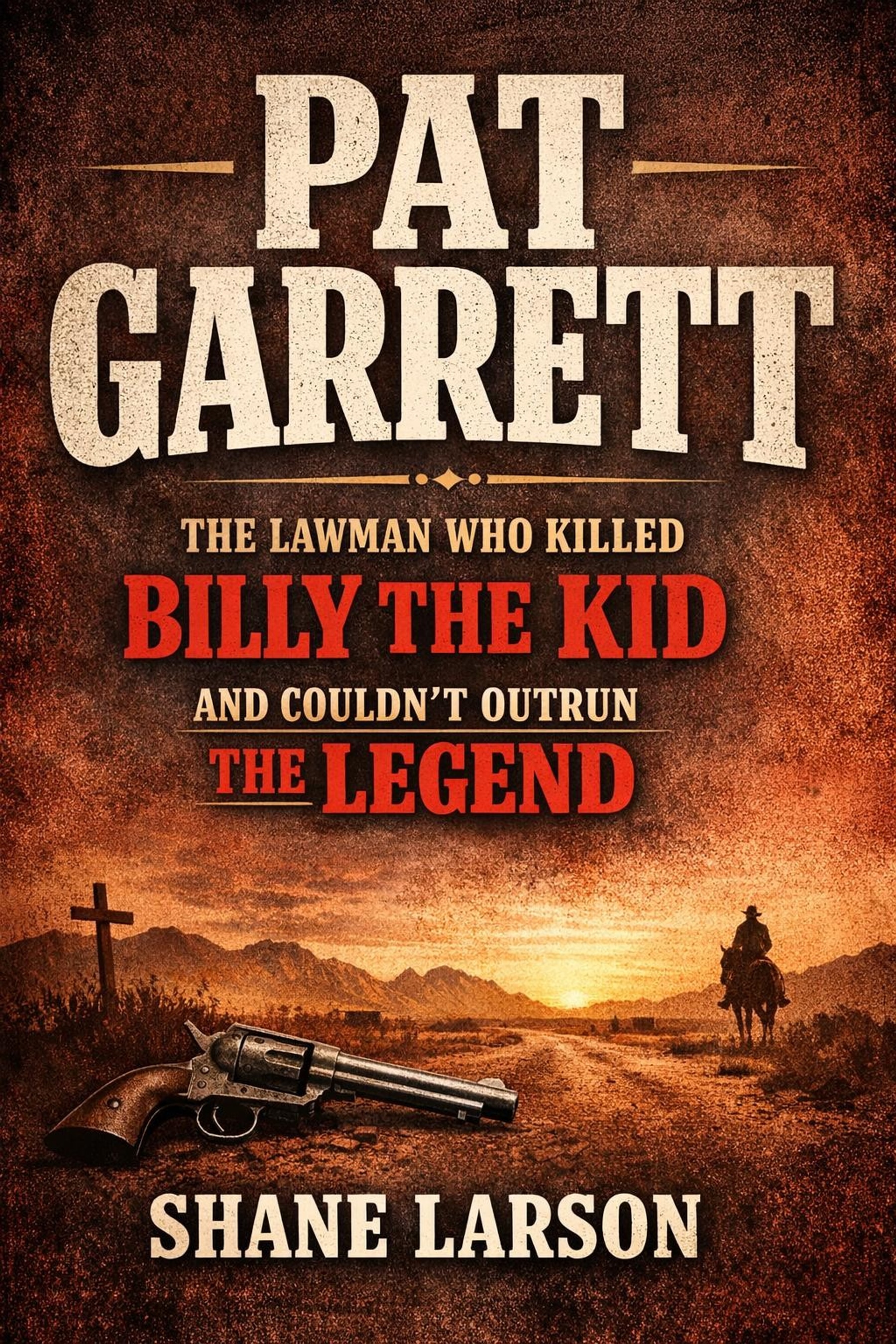
- Pat Garrett — the lawman who hunted down the war's last fugitive and closed its final chapter.
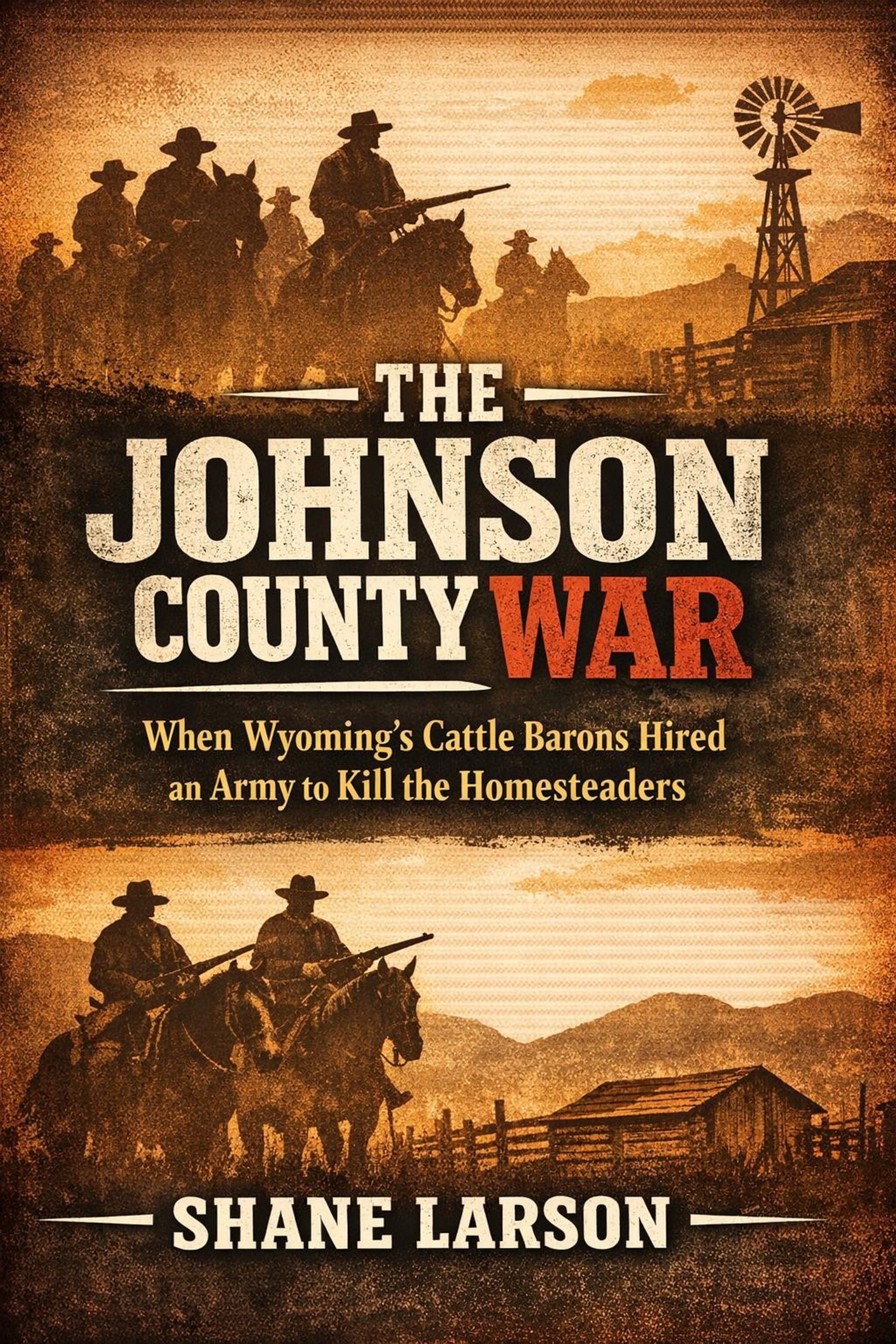
- The Johnson County War — Wyoming's version of the same pattern: cattle money, hired guns, and a government that picked a side.
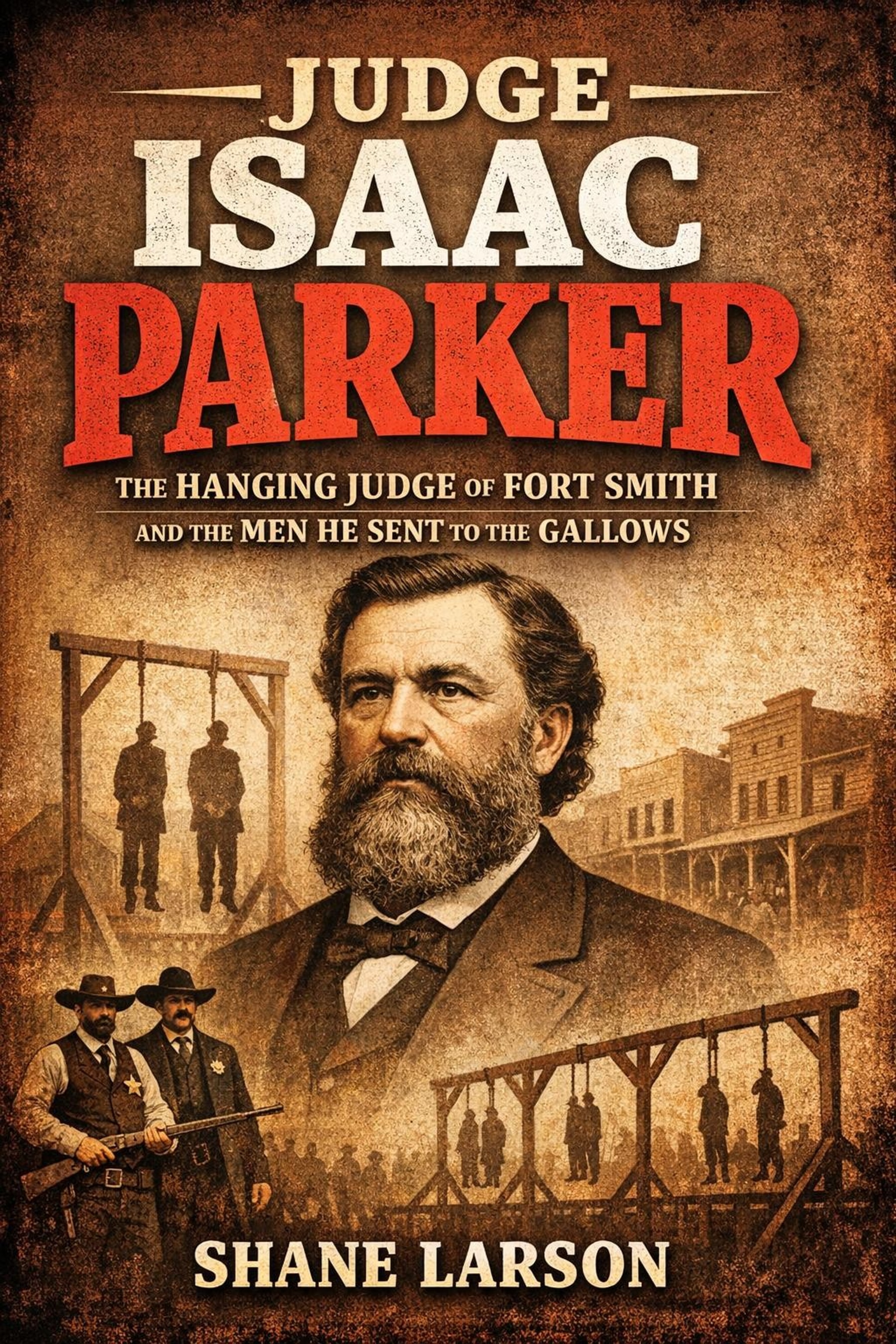
- Judge Isaac Parker — what frontier justice looked like when the courtroom wasn't for sale.
The gunfights made the legend. The ledgers and the courtrooms made the war. This is the story of both — and of the one man, out of all the killers of Lincoln County, who ever stood convicted for it.
Book 3 of The Wild West series.
Included with Kindle Unlimited — read it free if you're a member.
New Wild West / American Frontier History releases and free chapters — no spam, unsubscribe anytime.
More in The Wild West Series
View series →