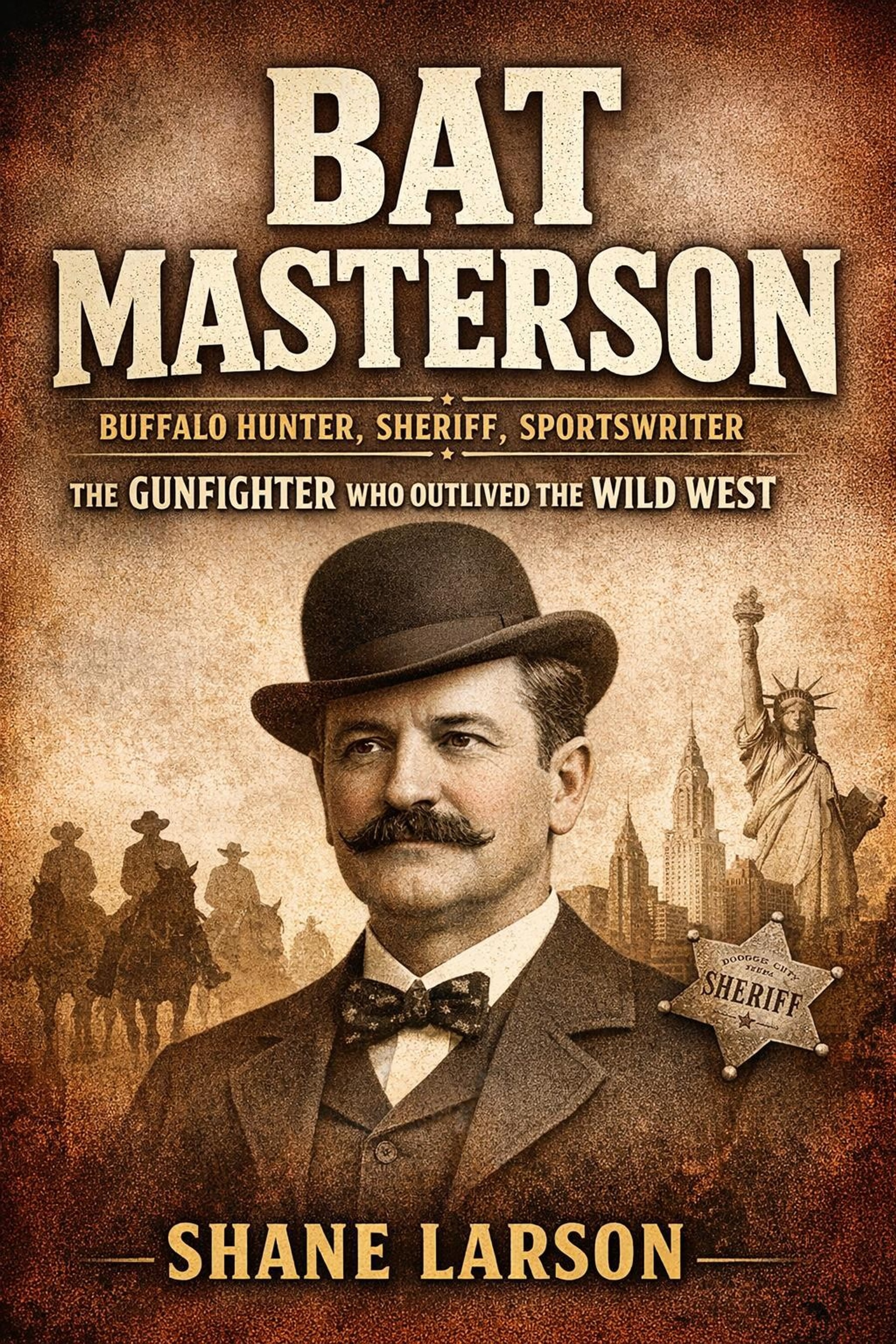
Bat Masterson
Buffalo Hunter, Sheriff, Sportswriter - The Gunfighter Who Outlived the Wild West
By Shane Larson · The Wild West Series (Book 7)
About This Book
In the summer of 1874, a teenager crouched behind a sod wall in the Texas Panhandle while hundreds of Comanche and Kiowa warriors swept down on a cluster of buffalo-hunters' shacks called Adobe Walls. He had no business surviving the day. Most of the men who came up the way he did didn't survive their thirties — shot from behind at a card table, coughed out by tuberculosis, buried young in a boomtown that forgot their names within a season.
Bat Masterson walked out of that day, and then he walked out of the entire era. He is the strange, singular figure who lived long enough to see the open range turn into the electric city — and then sat down at a New York newspaper desk and helped invent the legend of the West he had personally outlasted.
This is the full arc of that life, from a buffalo-hide camp on the southern plains to a Broadway newsroom: the last great gunfighter of the American frontier, told as one continuous transformation rather than a string of shootouts.
The Whole Astonishing Arc
William Barclay "Bat" Masterson packed more reinventions into one life than most centuries manage. He hunted buffalo as a teenager and helped hold off the war party at the Second Battle of Adobe Walls before he was twenty-one. He scouted for the Army through the Red River War. He pinned on a badge as sheriff of Ford County, Kansas, before he turned twenty-five, ran with Wyatt Earp and Doc Holliday through the bloodiest cattle town on the plains, and buried his own brother Ed, gunned down wearing the Dodge City marshal's star.
Then the frontier closed — and Masterson did the one thing almost none of his friends got to do. He kept going. He traded the Stetson for a derby and the six-gun for a typewriter, became a prizefight promoter, drifted east, and reinvented himself a final time as a New York sportswriter who covered boxing, traded letters with Theodore Roosevelt, and burnished the myths of his own dead companions into the shape the world still remembers.
The book follows that line without skipping the unglamorous stretches — the gambling years, the political feuds, the long slow business of a frontiersman aging into an urban professional. It treats Masterson as a frontier improviser: a man who, every time the ground shifted under him, found new ground to stand on. And it is honest, throughout, about where the documented record ends and where the dime novelists — and Masterson himself — began doing the embroidering.
What You'll Discover
- How a Kansas farm boy lived through Adobe Walls and the Red River War before most men his age had left home, and what those early plains years actually demanded of him.
- The competing origin stories behind the nickname "Bat" — and the famous cane he reportedly used in place of a pistol after a leg wound.
- The killing of his brother Ed Masterson, the loss that anchors the dapper public legend in real family blood.
- The Dodge City War and the celebrated Peace Commission photograph that assembled the frontier's most dangerous men for one last group portrait.
- How Masterson, decades later and from a Manhattan desk, did as much as anyone to manufacture the legend of friends who never lived to defend their own version.
- What the surviving documents actually support — and how cheap fiction inflated his "body count" far past anything the evidence will carry.
- The larger story riding underneath the personal one: the open range giving way to railroads, electricity, and the modern city, the whole national transformation compressed into a single biography.
Why I Wrote This
I kept running into Bat Masterson at the edges of other people's stories — a name in the Earp legend, a face in the Dodge City photograph — and then I'd lose track of him, because almost no one tells you what happened next. What happened next turned out to be the most interesting part. He didn't die in a gunfight. He died at a typewriter, an old newspaperman with a half-finished column in the platen.
That gap is what hooked me. Most frontier figures are frozen at the moment of their most famous shooting. Masterson is the one who lived past the West, watched it become a myth, and then helped write the myth himself. I wanted to follow the whole line — hide camp to Broadway — and be straight about which parts are documented and which parts are the legend talking. The man's real life didn't need the exaggeration, and I think the truth is the better story. This one's written plainly, the way I'd want it told to me.
Frequently Asked Questions
Do I need to read the other Wild West books first?
No. This is a complete, standalone biography of Bat Masterson with everything you need inside it. If you've read the earlier entries on the same frontier world the cross-references will land, but the book assumes no prior reading and explains its own context.
Was Masterson at the gunfight at the O.K. Corral?
No — and the book is careful about this. Masterson ran with Wyatt Earp and Doc Holliday in Dodge City and spent time in Tombstone, but he had left before the famous October 1881 fight. Sorting his real involvement from the version the legend later assigned him is part of what this biography does.
Is this a dry academic biography or a narrative?
It's narrative history — fast, vivid, scene-driven, and written to be read straight through. It carries the documented record honestly but never reads like a textbook. The aim is clear, no-nonsense prose that respects your intelligence without burying you in apparatus.
How does it handle the myth versus the facts?
Directly. Masterson and the dime novelists inflated a great deal, and the book flags where the storytelling outran the evidence rather than passing the legends along as settled history. You get the man the documents support, with the mythology clearly labeled as mythology.
How long is the book, and is it on Kindle Unlimited?
It's a focused single-subject biography you can read in a few sittings — long enough to cover the full arc, short enough to keep moving. It's available on Kindle and enrolled in Kindle Unlimited, so KU members can read it at no extra cost.
Does it cover his life after the frontier?
Yes, and that's a major reason the book exists. The New York years — the sportswriting, the boxing world, the friendship with Theodore Roosevelt, the active role in building the Western legend — get full treatment, not a tacked-on epilogue.
If You Liked This, You Might Like
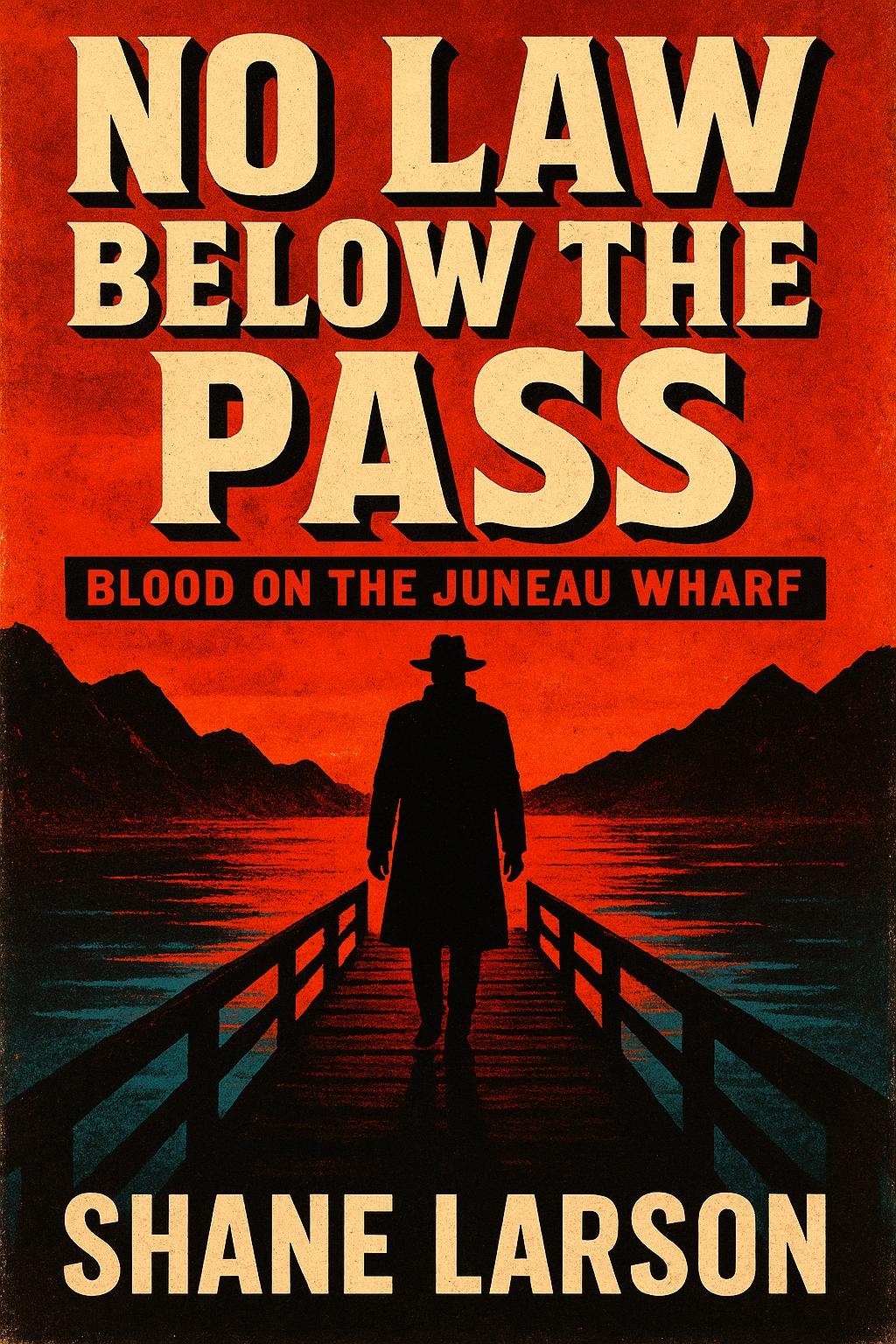
- No Law Below the Pass — frontier-thriller fiction set in the same lawless world; pairs with Masterson's true story for readers who want both the history and the dramatized version.
- American Inventors: Pioneers of Progress — the industrial, electric America that Masterson lived into; the city that replaced the open range, told through the people who built it.
- The Empire Collapse Pattern — for readers drawn to the larger theme of an entire order ending; the analytical lens on how whole worlds, like the Old West, close behind the people who survive them.
Buffalo hunter, Army scout, sheriff, gambler, fight promoter, columnist — Bat Masterson kept finding new ground to stand on while the frontier dissolved around him, and then he picked up a pen and shaped how all of it would be remembered. This is the last gunfighter's whole life, hide camp to Manhattan newsroom, told plainly and told true.
Book 6 in The Wild West series.
Included with Kindle Unlimited — read it free if you're a member.
New Wild West / American Frontier History releases and free chapters — no spam, unsubscribe anytime.
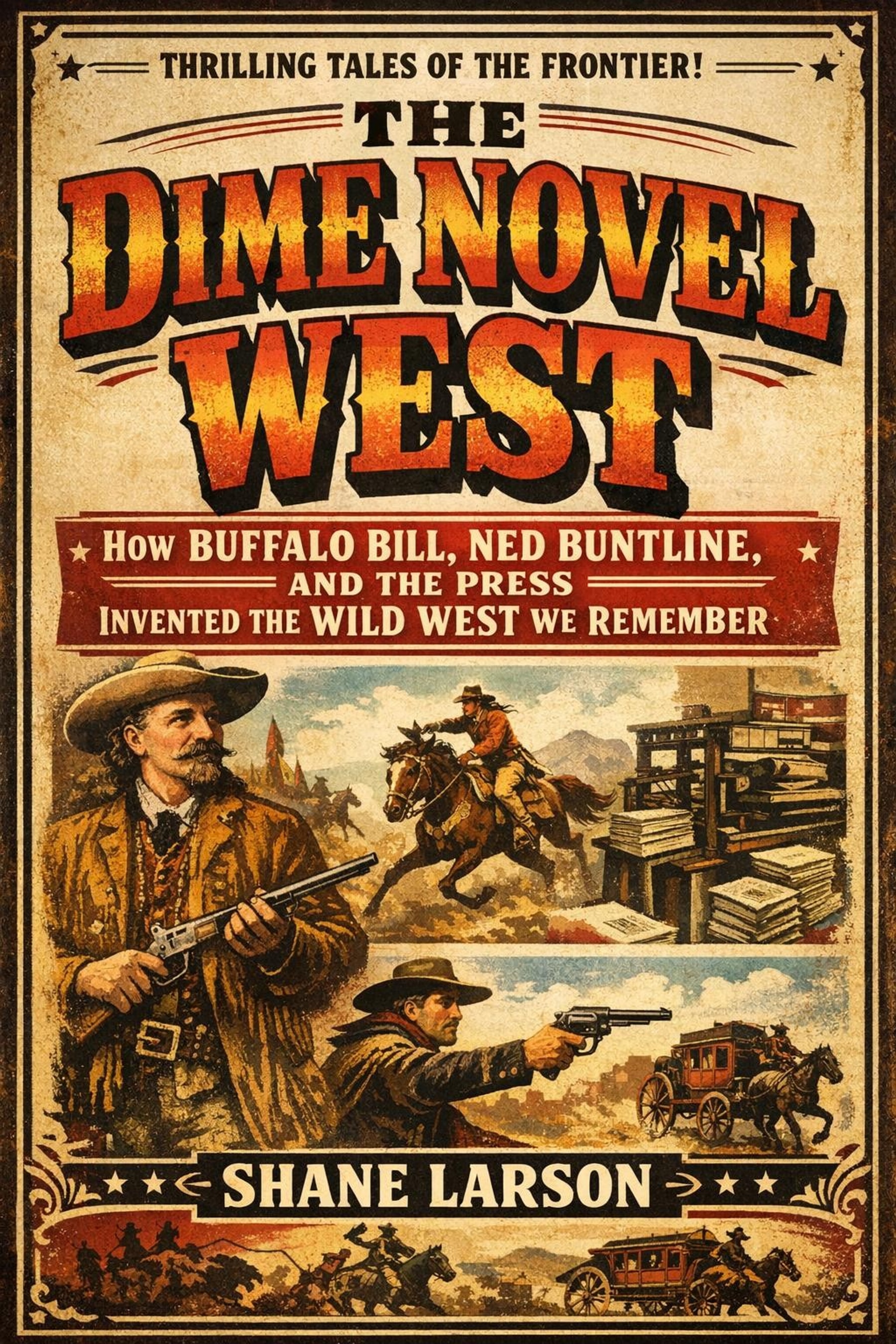
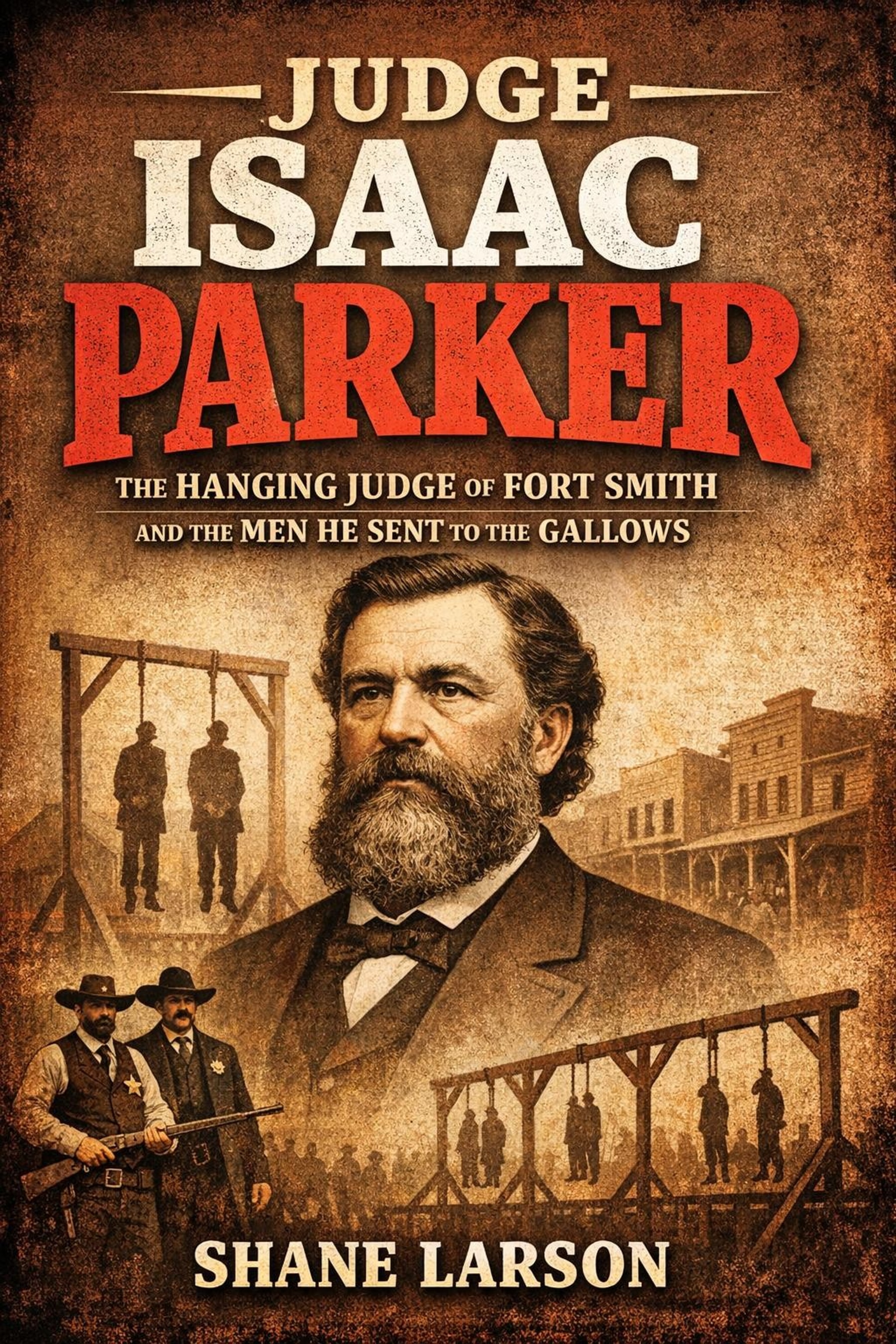
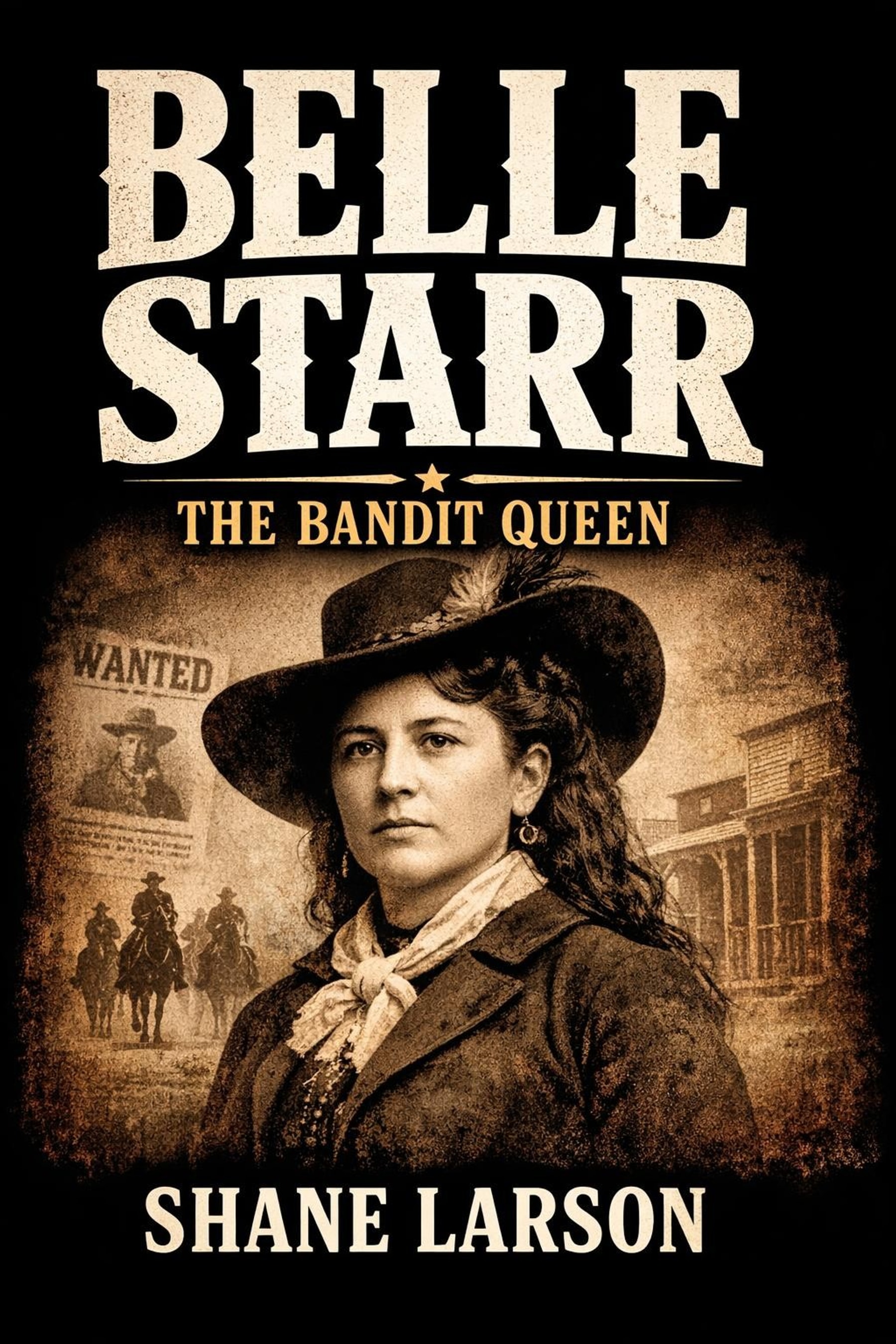
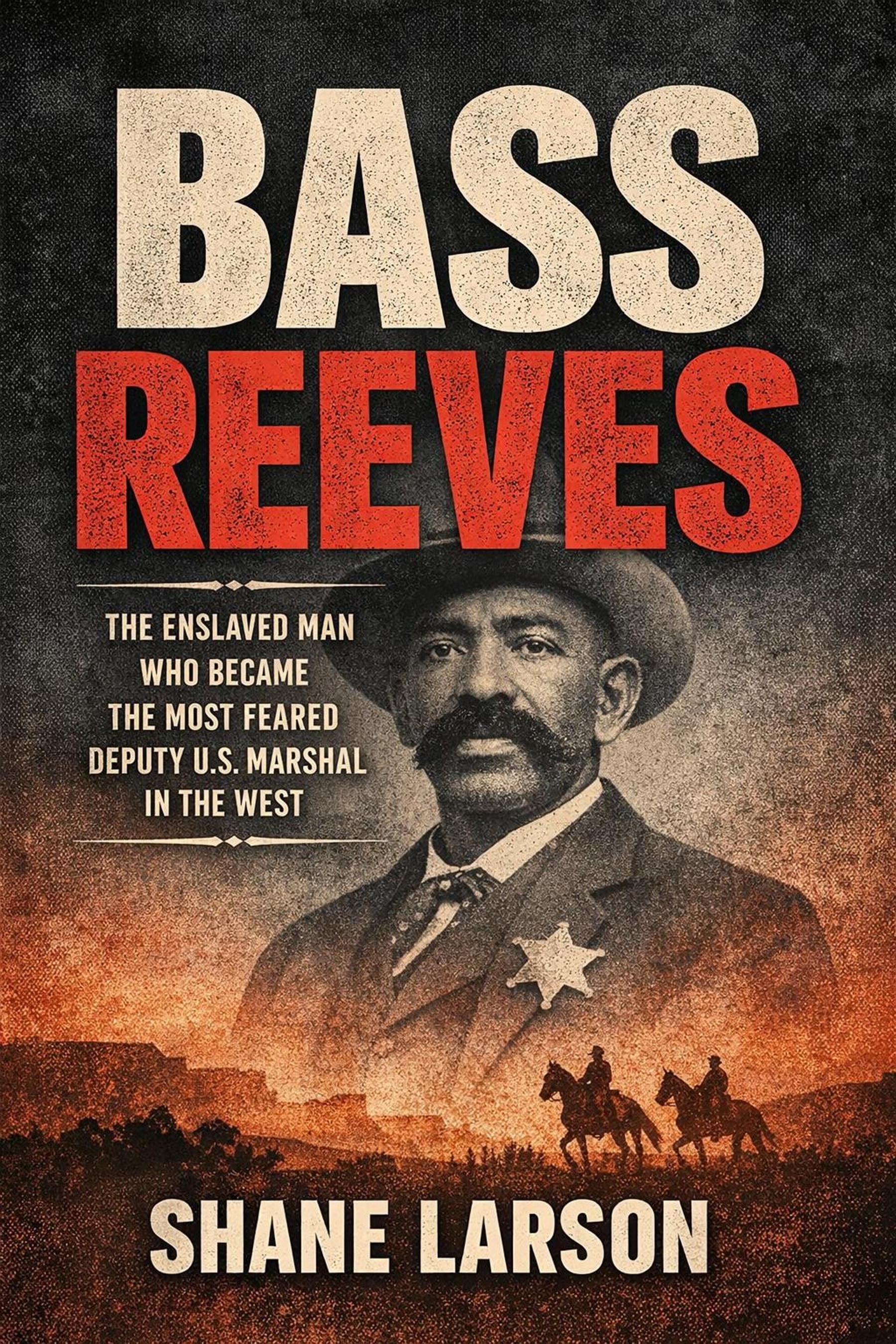
More in The Wild West Series
View series →
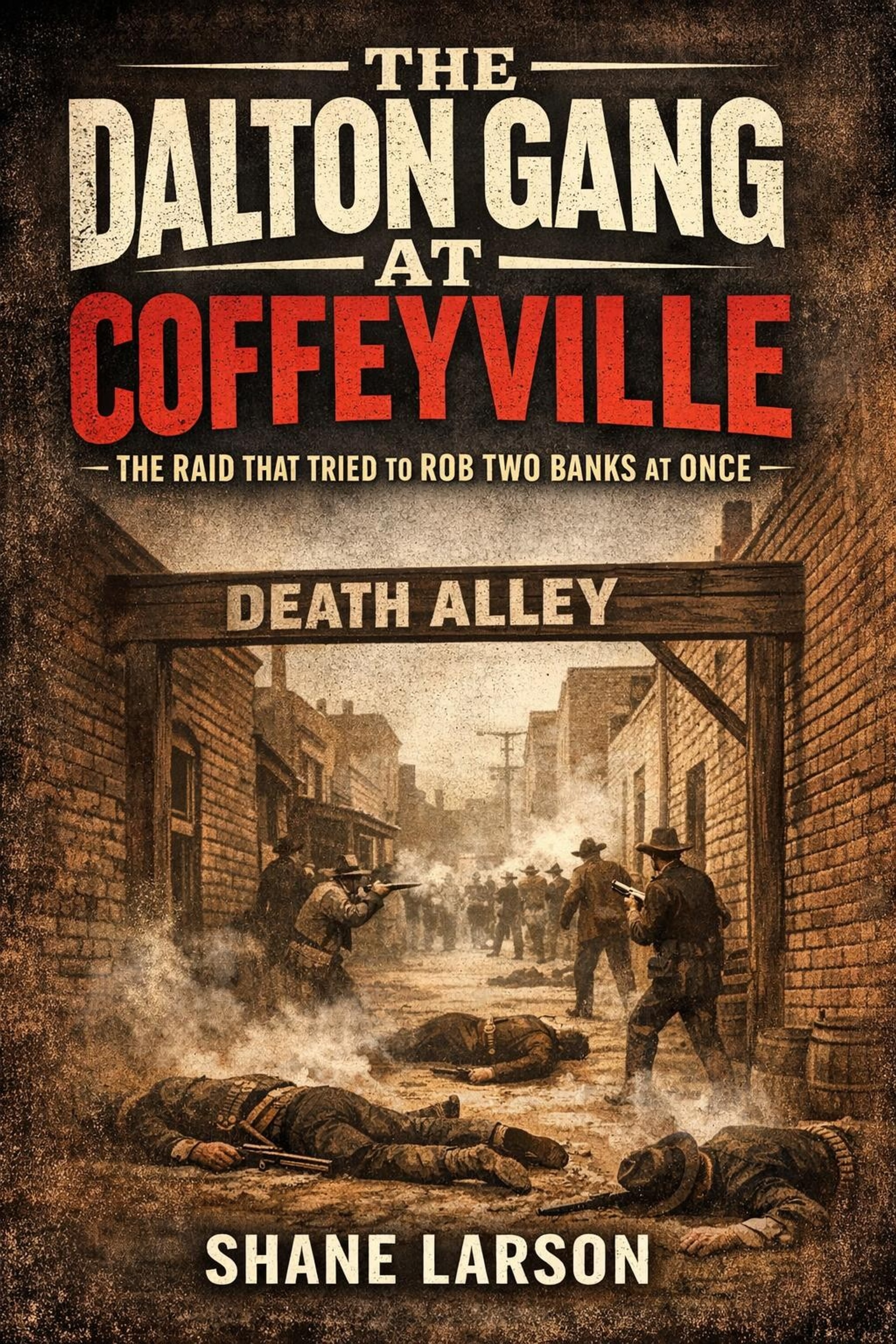
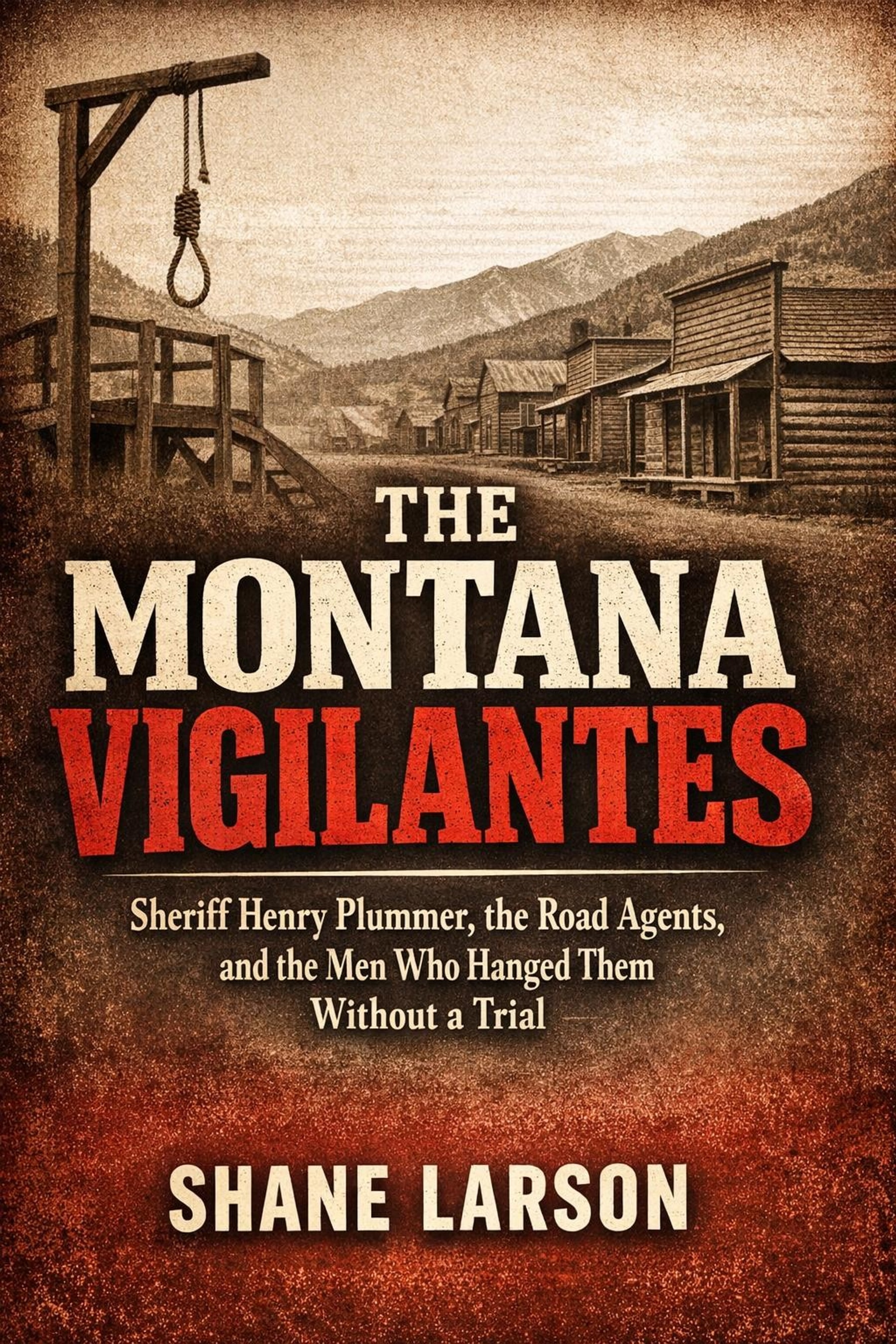
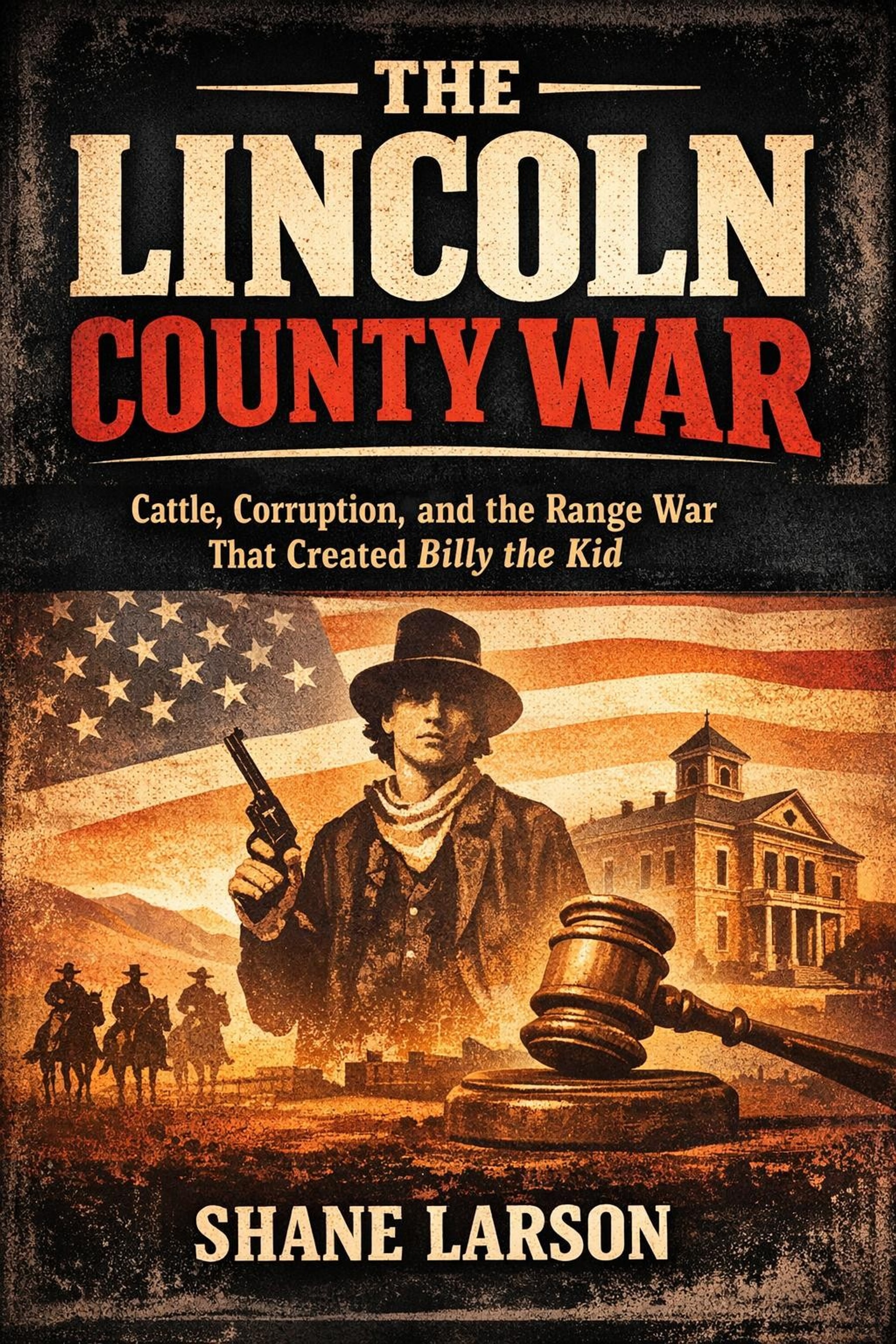
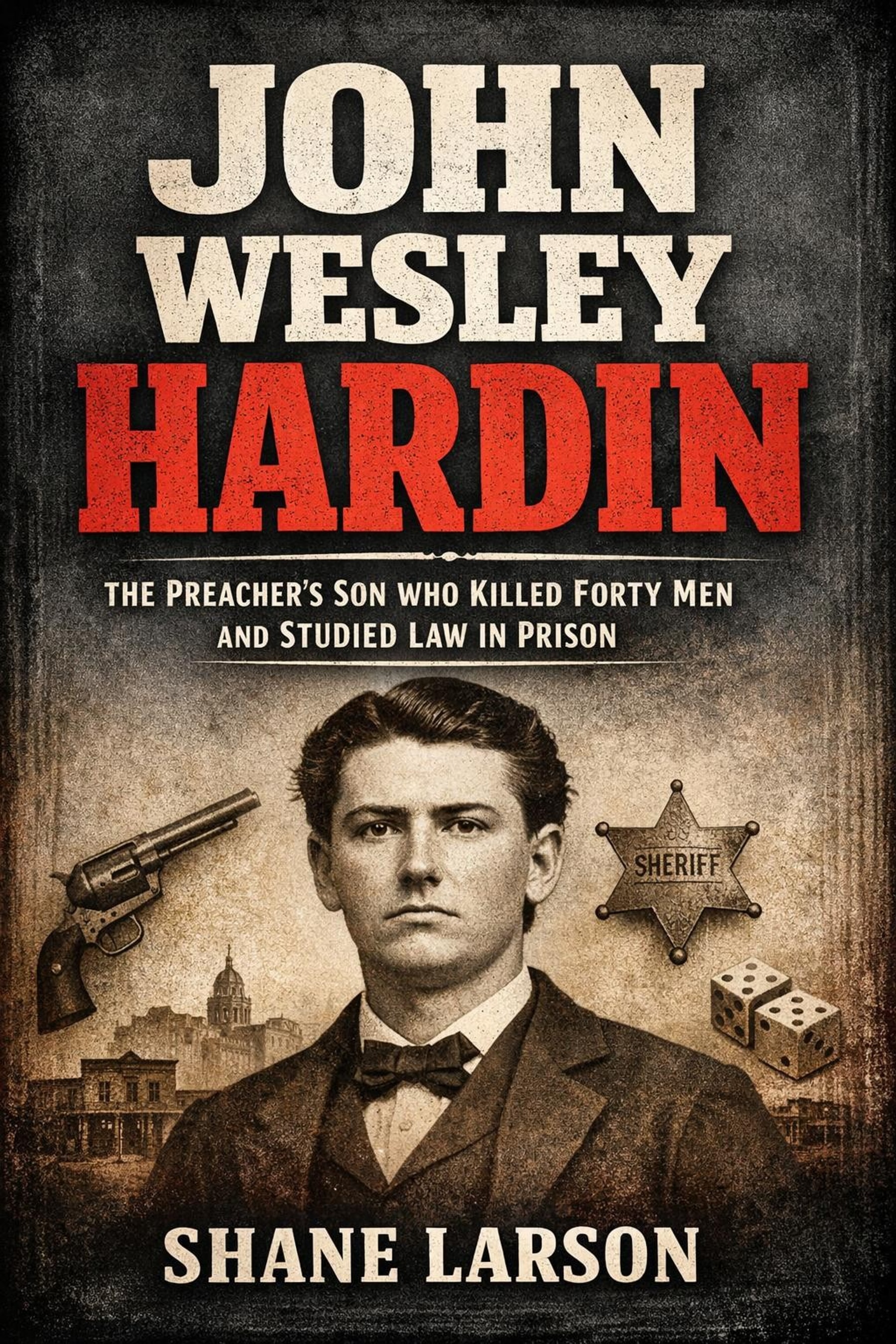
More in This Genre
View all →