Custer and Little Bighorn
The Massacre That Shocked a Nation
By Shane Larson · The Wild West Series (Book 22)
About This Book
In the summer of 1983, a grass fire swept across a low ridge above a river in southeastern Montana and burned away a century of cover. When it was out, the ground that had been hidden since 1876 lay bare for the first time in living memory. The archaeologists who arrived the next year did something no one had ever been able to do at the site of Custer's Last Stand: they walked the whole battlefield with metal detectors and marked the exact spot of every artifact they found — thousands of cartridge cases, bullets, buttons, and bones.
Then they did something stranger and more powerful. Using a technique borrowed from criminal forensics, they matched the tiny firing-pin marks stamped on the cartridge cases to identify individual weapons, and tracked each one across the field. Case by case, gun by gun, the ground told the story of the battle. And the story it told was not the one on the famous painting. There was no evidence of a static heroic ring, no gallant last-man-standing tableau. There was movement, and disintegration — skirmish lines dissolving, men and warriors flowing across the slopes, a fight that had come apart fast.
It was, almost exactly, the same battle the Lakota and Cheyenne who won it had been describing for a hundred years, to anyone who would listen. Which, for most of that century, was almost no one.
The Battle Buried Under a Myth
The Little Bighorn may be the most legend-encrusted event in the history of the American West. Everyone can picture it: Custer, long hair bright in the sun, sword or pistol in hand, standing tall amid a shrinking circle of loyal troopers, selling their lives dearly against overwhelming odds. It hung in ten thousand saloons as a beer-company lithograph. It was reenacted in Buffalo Bill's Wild West show while survivors of the campaign were still alive. It became one of the fixed images of the American imagination.
Almost none of it is true, and much of it was invented on purpose. Custer had cut his hair short before the campaign. The regiment had left its sabers behind. And there was no surviving witness from his five companies to describe a heroic stand, because every man with him died — which is precisely what made the myth possible. Into that silence stepped the people who needed a hero: a grieving and formidable widow who spent fifty years defending her husband's image and outliving nearly everyone who might have contradicted her; a centennial-summer press hungry for a martyr; and a nation that preferred a noble tragedy to an honest reckoning.
This book puts the honest reckoning back. It reconstructs the battle from the two sources the myth ignored — the Native testimony and the archaeology — and it sets that reconstruction inside the story that gives it meaning: a fading celebrity soldier desperate to recover his fame, a treaty over the sacred Black Hills that the United States signed and then broke when gold was found, and a campaign that was, in plain documentary fact, the enforcement arm of that theft. It follows the disaster through the command failures that produced it, and it follows the aftermath all the way to its bitter end — the manufacture of the Last Stand, the belated vindication of the people who won the battle, and the massacre at Wounded Knee fourteen years later, where the same regiment closed the book on the northern plains.
What's Inside
- Custer before the legend: the reckless Civil War boy general and the fall from grace that left him hungry for one more victory
- The Black Hills treaty violation that manufactured the war — and links this story to the illegal boomtown of Deadwood
- Sitting Bull and Crazy Horse as leaders of nations, and the largest gathering of Plains peoples in living memory
- The campaign's fatal intelligence failure, the divided regiment, and the decisions that can be watched failing in sequence
- Reno's rout and hilltop siege, and the reconstruction of Custer's field from its best evidence
- Who really built the "Last Stand" — the widow, the press, the lithograph, and the showman
- The 1984–85 forensic archaeology that rewrote the battle, cartridge case by cartridge case
- Wounded Knee, 1890, as the arc's grim coda — told with strict documentary care
Why I Wrote This
Little Bighorn is the rare piece of history with no demand problem and a supply problem. Millions of people know the phrase "Custer's Last Stand"; a national monument draws hundreds of thousands of visitors a year; every June brings a fresh wave of anniversary coverage. And yet, at the price most people are willing to pay for a book, what they usually find is still the myth — the painting, not the battle.
What pulled me to the subject was the detective story hiding inside it. Two developments transformed what scholars understand about that afternoon: the belated decision to take Lakota and Cheyenne testimony seriously, and the forensic archaeology that followed the 1983 fire and independently confirmed it. Together they replaced a granite tableau with something far more human — a fragmenting, moving, all-too-real disaster, and a defensive victory by people fighting for their families and their land. I wanted to give general readers that better, truer story in a focused, affordable form, and to do it the way the Wild West series always does: evidence first, legends named and tested, and the hardest history handled with care rather than sensation.
Frequently Asked Questions
Is this a pro-Custer or anti-Custer book?
Neither. The popular memory swings between hero and fool, and the record supports neither caricature. Custer was genuinely brave and genuinely gifted, and also vain, reckless, and hungry for fame in a way that helped destroy his command. The book gives you the documented man and lets his decisions speak.
How do we know what happened if no one survived?
No one from Custer's five companies survived — but thousands of Lakota and Cheyenne witnesses did, and the battlefield itself is a physical record. The book rebuilds the fight from those two sources, and shows how the Native testimony and the 1980s archaeology independently tell the same story.
Does it cover the Native side fairly?
That's central to the book. Sitting Bull and Crazy Horse are treated as leaders of nations, not as scenery; the village is a community, not a target; and the aftermath — the seizure of the Black Hills, the killing of Crazy Horse, Wounded Knee — is part of the battle's meaning. The Native testimony is paraphrased faithfully with its provenance acknowledged.
Why include Wounded Knee in a book about Little Bighorn?
Because the same regiment, the Seventh Cavalry, was there fourteen years later, and the massacre at Wounded Knee in 1890 is the true endpoint of the story the Little Bighorn began. It's handled soberly and with documentary care, as the gravity of the subject demands.
How is this different from the big Custer books?
It's a focused, evidence-forward account at a fraction of the length and price of the major narratives. If you want the 500-page treatment it points you to the best of them; if you want the real story told compactly and honestly, this is built for that.
If You Liked This, You Might Like
- Deadwood — The illegal Black Hills boomtown born of the very same broken treaty that sent Custer to the Little Bighorn.
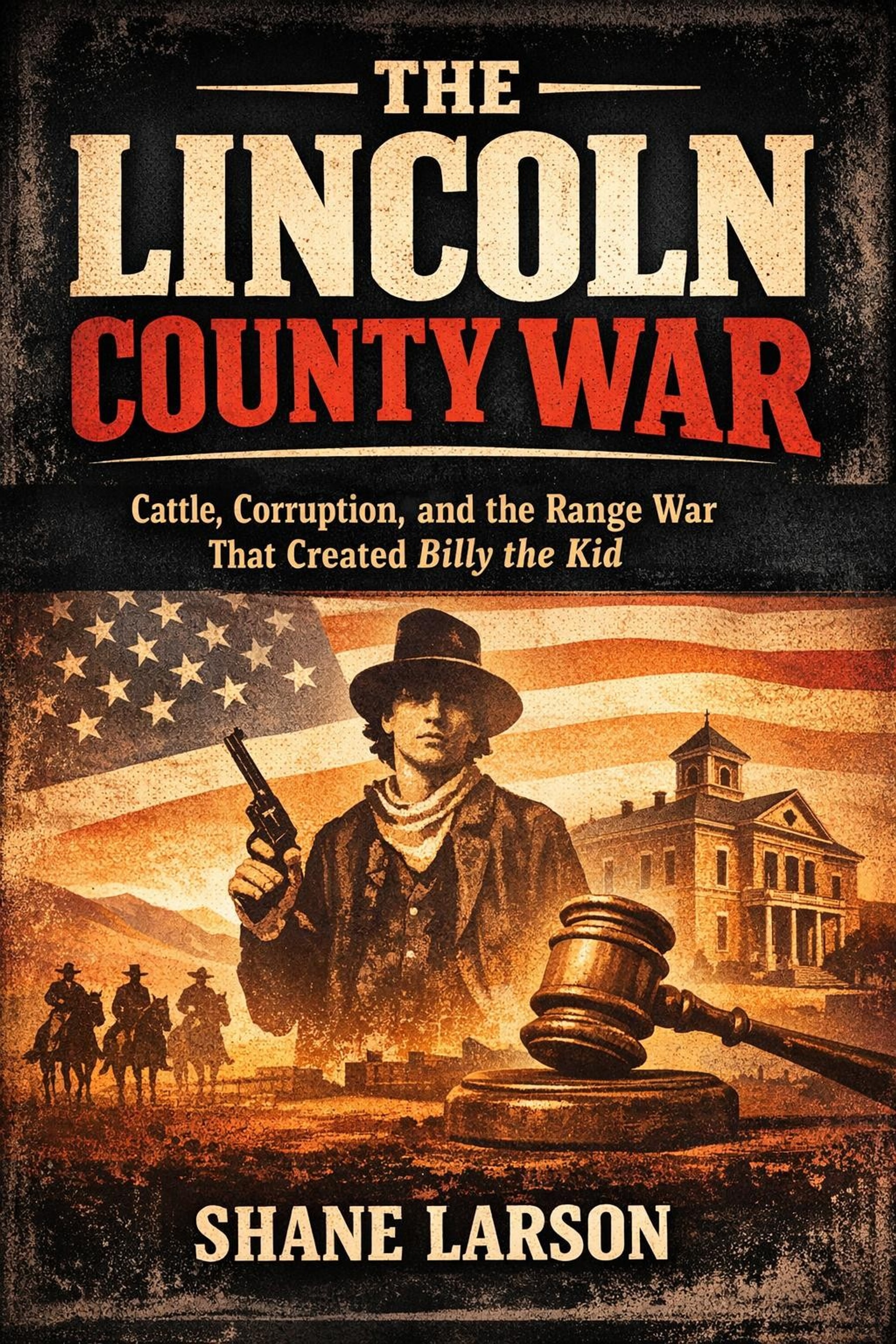
- The Lincoln County War — Another multi-sided frontier conflict told with the same commitment to keeping the violence clear, fair, and evidence-based.
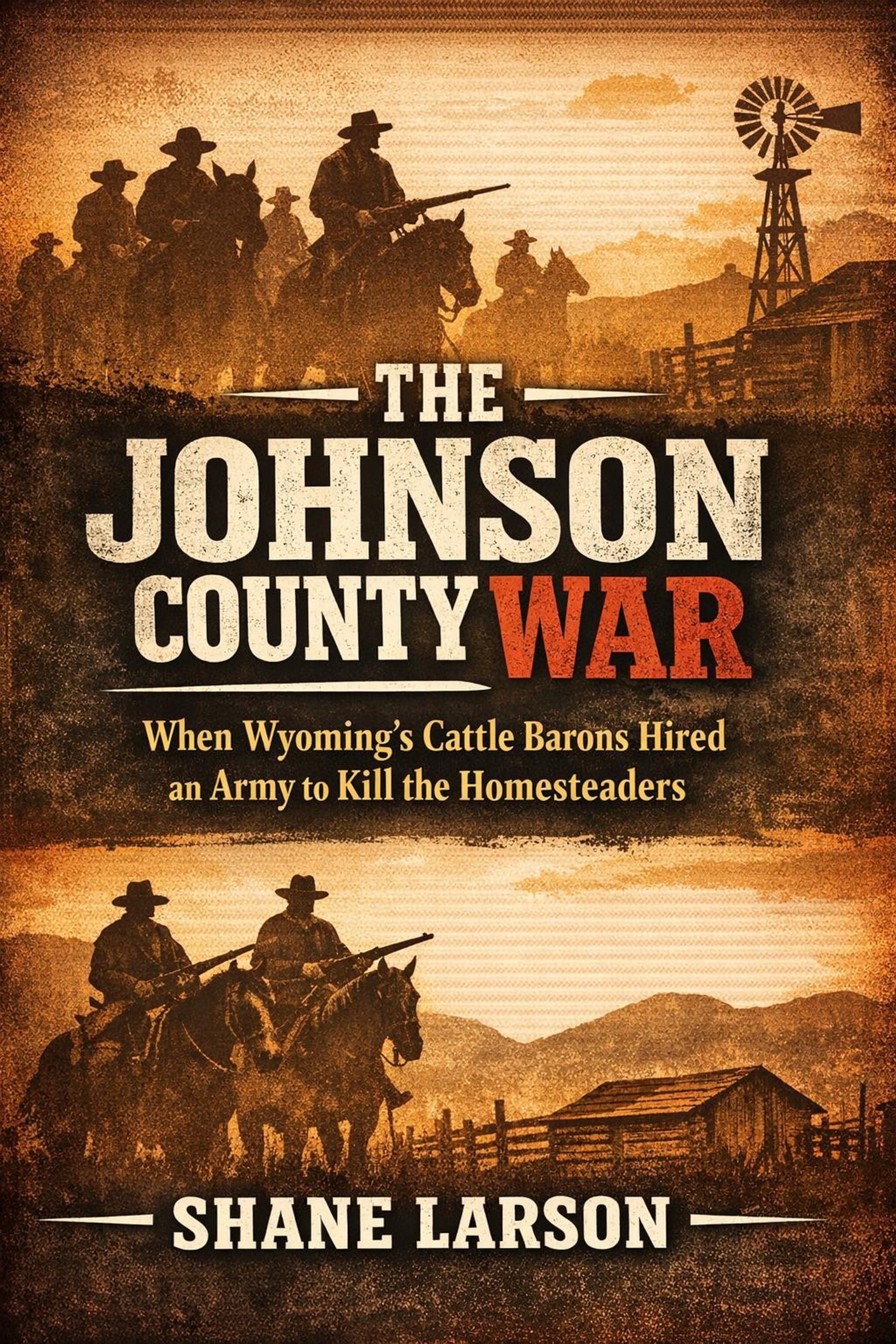
- The Johnson County War — Range war and the myth-making that followed it, a companion in how the West's legends get built.
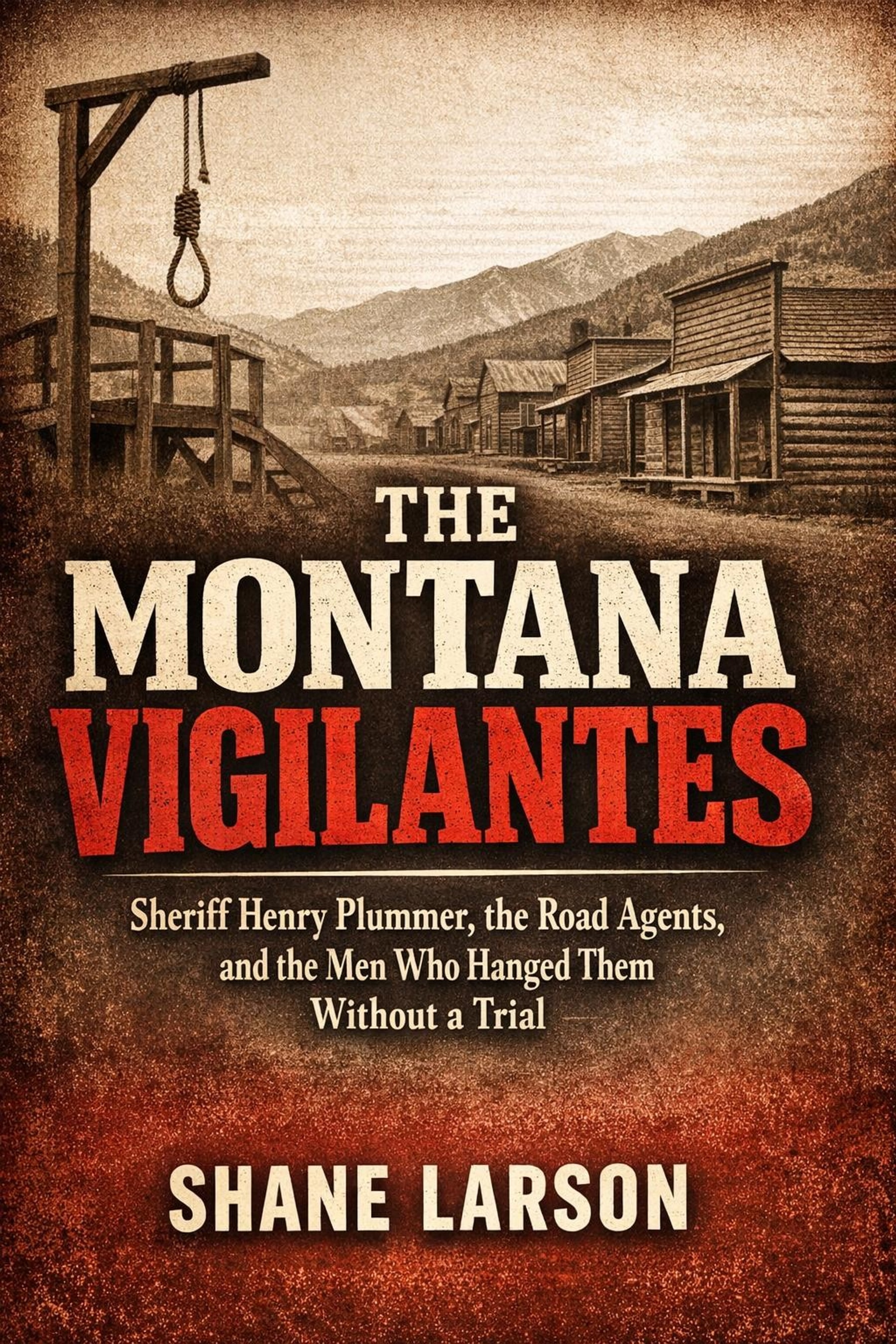
- The Montana Vigilantes — Frontier justice and its darker realities in the same rugged country.
For the companion story of Native resistance, Geronimo and the Apache Wars is the other half of this book's mini-cluster.
Strip away the golden-haired hero and the ring of loyal troopers, and what remains is better history and a more human story: a command failure born of hubris and a broken promise, a stunning defensive victory that would cost the victors everything, and a myth built afterward to hide the meaning of both.
Part of the Wild West series.
Included with Kindle Unlimited — read it free if you're a member.
New The Wild West releases and free chapters — no spam, unsubscribe anytime.
More in The Wild West Series
View series →