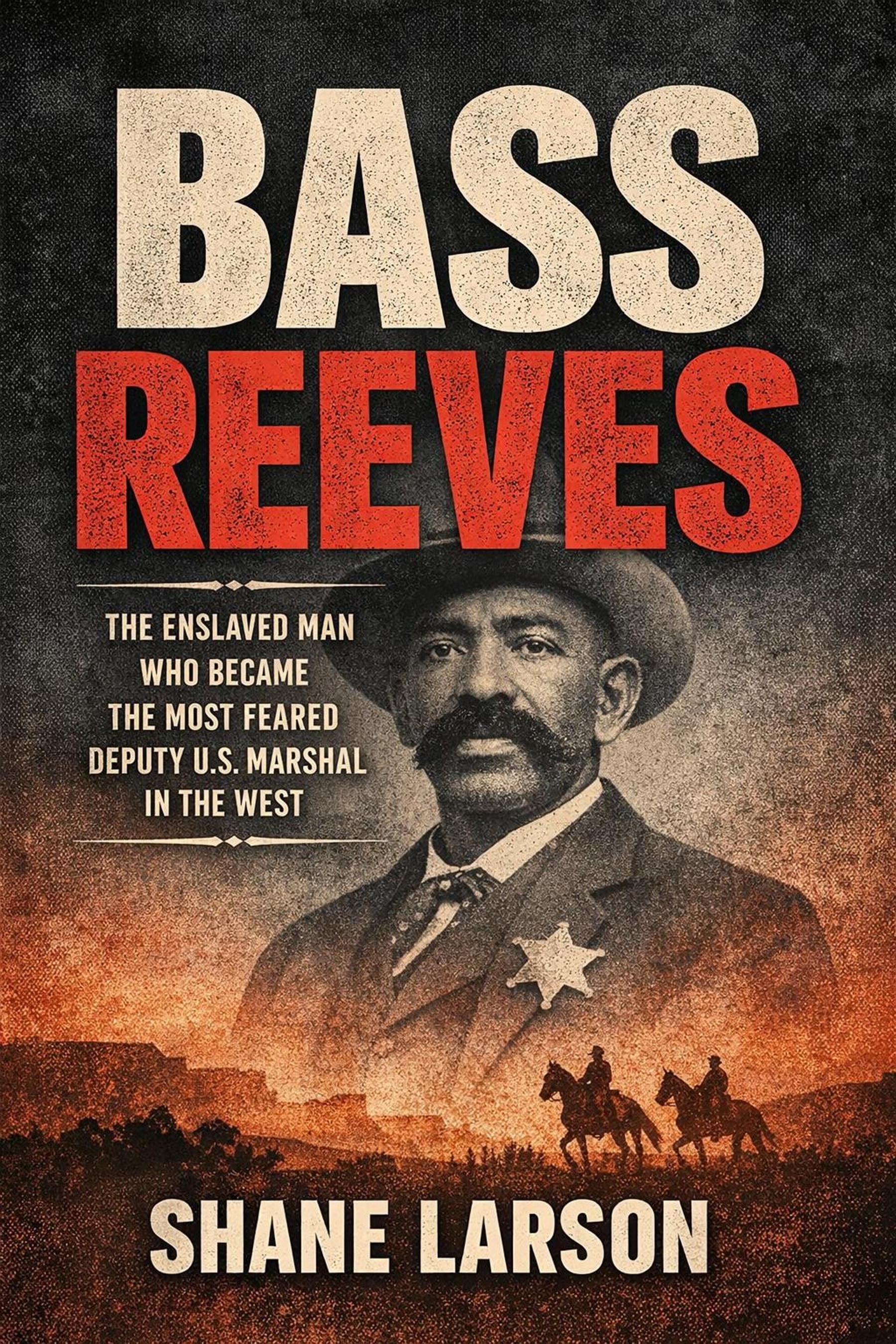
Bass Reeves
The Enslaved Man Who Became the Most Feared Deputy U.S. Marshal in the West
By Shane Larson · The Wild West Series (Book 20)
About This Book
A tramp comes limping up the road toward an outlaw camp in the Indian Territory, hat brim low, boots worn through, three days of trail dust on him. The men around the fire size him up and decide he's harmless — just another drifter looking for a meal and a place out of the wind. They let him in. By the time they understand that the cartridges tucked in the hatband belong to the deadliest manhunter in the federal service, the irons are already on their wrists.
The tramp was Bass Reeves. Over thirty-two years he ran that performance, and variations of it, hundreds of times across the most lawless ground in America. He arrested more than three thousand fugitives. He was never once shot. And for most of the century that followed his death, the country he had policed made a quiet, deliberate effort to forget he existed.
This is the documented life of Bass Reeves — separated from the folk hero he has lately become, and reconstructed from the records that survived: Fort Smith court dockets, deputy expense vouchers, and the territorial newspapers that covered his arrests while he was still making them.
The Story
Reeves was born enslaved in Arkansas around 1838. During the Civil War he disappeared into the Indian Territory, the vast stretch of unorganized land that is now Oklahoma, and lived among the Cherokee, Creek, and Seminole. He learned their languages. More importantly, he learned the country — every creek crossing, every blind canyon, every hollow where a hunted man might think he was safe. When emancipation finally reached him, he walked out of slavery owning something rarer than freedom: a working knowledge of the one place in America where the law could not follow, better than the outlaws who used it as a sanctuary.
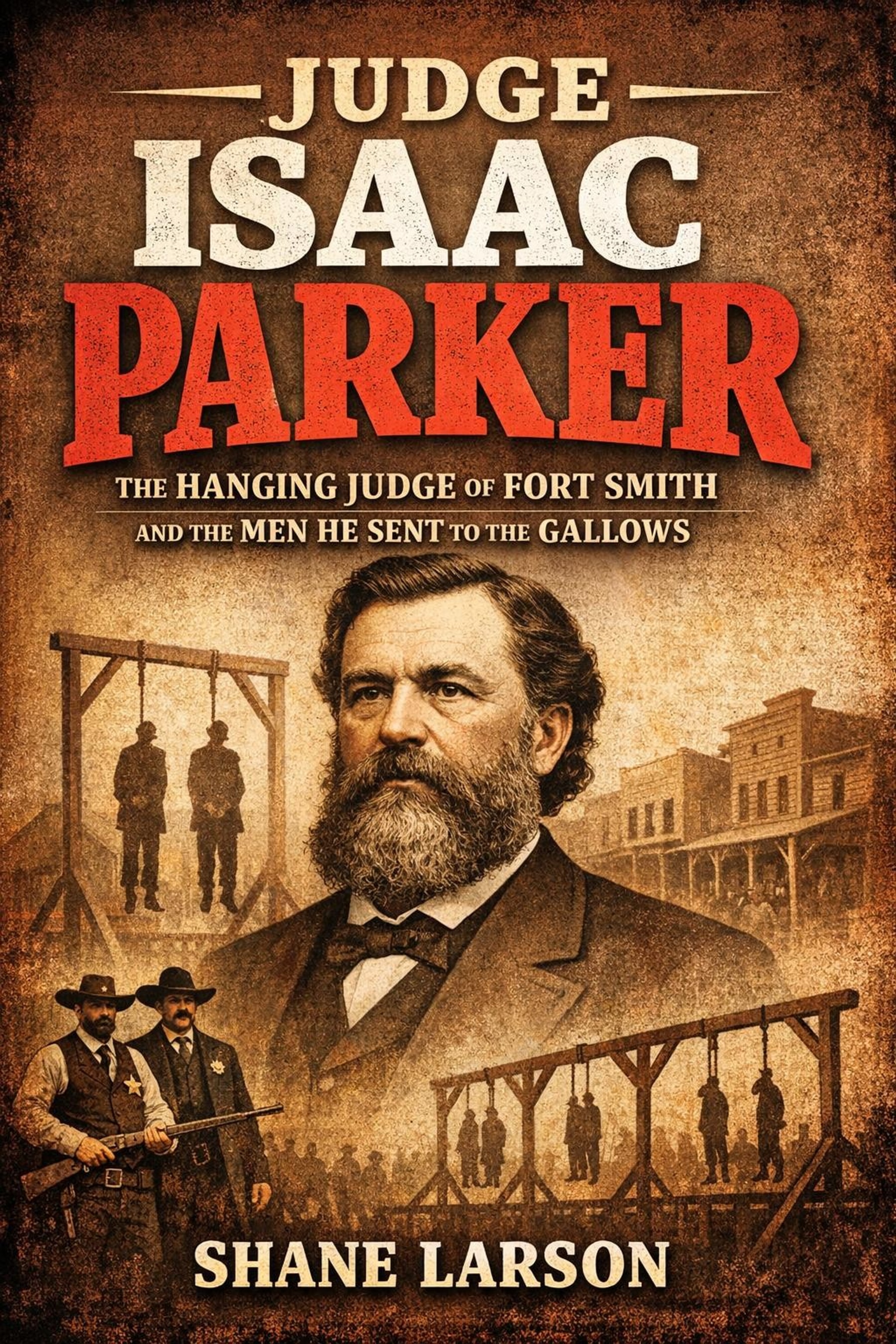
In 1875, Judge Isaac Parker took the federal bench at Fort Smith with jurisdiction over seventy-four thousand square miles of it. He needed deputies who could ride into the worst of that territory and come back breathing. He hired Reeves — a Black man who could not read his own name, given a badge and the authority to arrest white, Native, and Black fugitives alike, in a Reconstruction-era South that had no intention of letting a Black man hold that kind of power. The arrangement should not have worked. It worked for three decades.
Reeves could not read the warrants he served, so he had each one read aloud to him and matched the name to the face when he made the arrest — a memory feat he never once got wrong on record. The work cost him. He arrested men he knew. He took a warrant for his own son and served it himself. He stood trial for murder before a Fort Smith jury over the death of his camp cook, and walked out acquitted. When Oklahoma reached statehood in 1907 and the old federal territory dissolved, Reeves — close to seventy — pinned on a city policeman's badge in Muskogee and walked a beat until illness finally stopped him. Then the Western story closed its book on him, and Jim Crow saw to it that he stayed out of it.
What You'll Discover
- How an enslaved boy turned a fugitive's knowledge of the Indian Territory into the greatest arrest record in U.S. Marshals history — and why the men he hunted genuinely feared him
- The disguises that let him close on hardened killers without firing a shot: the tramp with cartridges in his hatband, the farmer, the down-on-his-luck drifter
- What it meant to serve a warrant you cannot read — and the system Reeves built to never confuse one name for another
- The day a father accepted the warrant on his own son, and rode out to bring him in
- His own murder trial at Fort Smith, the charge that put him in front of a jury, and the verdict that sent him back to work
- The real evidence behind the claim that Reeves inspired the Lone Ranger — where the parallels hold and where they fall apart
- How Jim Crow wrote him out of the frontier narrative, and the historians and descendants who fought to put the record back
Why I Wrote This
I came to Bass Reeves the way most people do now — through the dramatized version, the larger-than-life legend that has been having a moment lately. And the more I read, the more frustrated I got, because the legend kept reaching for embellishment when the documented facts were already more remarkable than anything invented for him.
A man who could not write his name built the largest arrest record in the history of the federal marshals. That is not a tall tale. It is in the vouchers and the dockets. What hooked me was the gap between how thoroughly we forgot this man and how completely the surviving records vindicate him. I wanted to write the version that stays inside what we can actually prove — the manhunter, not the myth — because in this case the proof is the better story. The erasure is part of it too, and I didn't want to soften that.
Frequently Asked Questions
Is this the same story as the show Lawmen: Bass Reeves?
It covers the same man, but it is a work of documented history rather than dramatization. Where the series compresses, invents dialogue, and fills gaps with story, this book stays with what the records support and is explicit about where the evidence ends and speculation begins. If you watched the show and wanted to know which parts actually happened, this is written for exactly that question.
Did Bass Reeves really inspire the Lone Ranger?
It's a popular claim, and the book takes it seriously rather than just repeating or dismissing it. You'll get the genuine parallels — the masked-justice framing, the Native companion, the trademark token left behind — alongside the places where the historical record simply doesn't connect the two. The honest answer is more interesting than either the myth or the debunking.
Do I need to know anything about the Old West to follow it?
No. The book builds the world as it goes — the Indian Territory, Judge Parker's Fort Smith court, what Reconstruction and later Jim Crow meant for a Black lawman. No prior reading is assumed. If you're coming in cold from the streaming series, you'll be on solid ground.
Is this a narrative history or an academic one?
It's narrative nonfiction — it reads like a story, with scenes and pacing — but it's anchored to primary sources rather than to folklore. The drama comes from the documented events, not from invention. Think rigorously sourced storytelling rather than a textbook or a citation-heavy monograph.
Is it available on Kindle Unlimited?
Yes. The book is enrolled in Kindle Unlimited, so it's free to read for KU subscribers, and also available to purchase.
Does it deal with the harder parts — slavery, Reconstruction, race?
It does, directly. Reeves's life ran straight through the cruelest stretch of American racial history, and the book treats that as central rather than as background — including what it cost him to hold federal authority in a society built to deny it, and why the country later worked to forget he ever had it.
If You Liked This, You Might Like
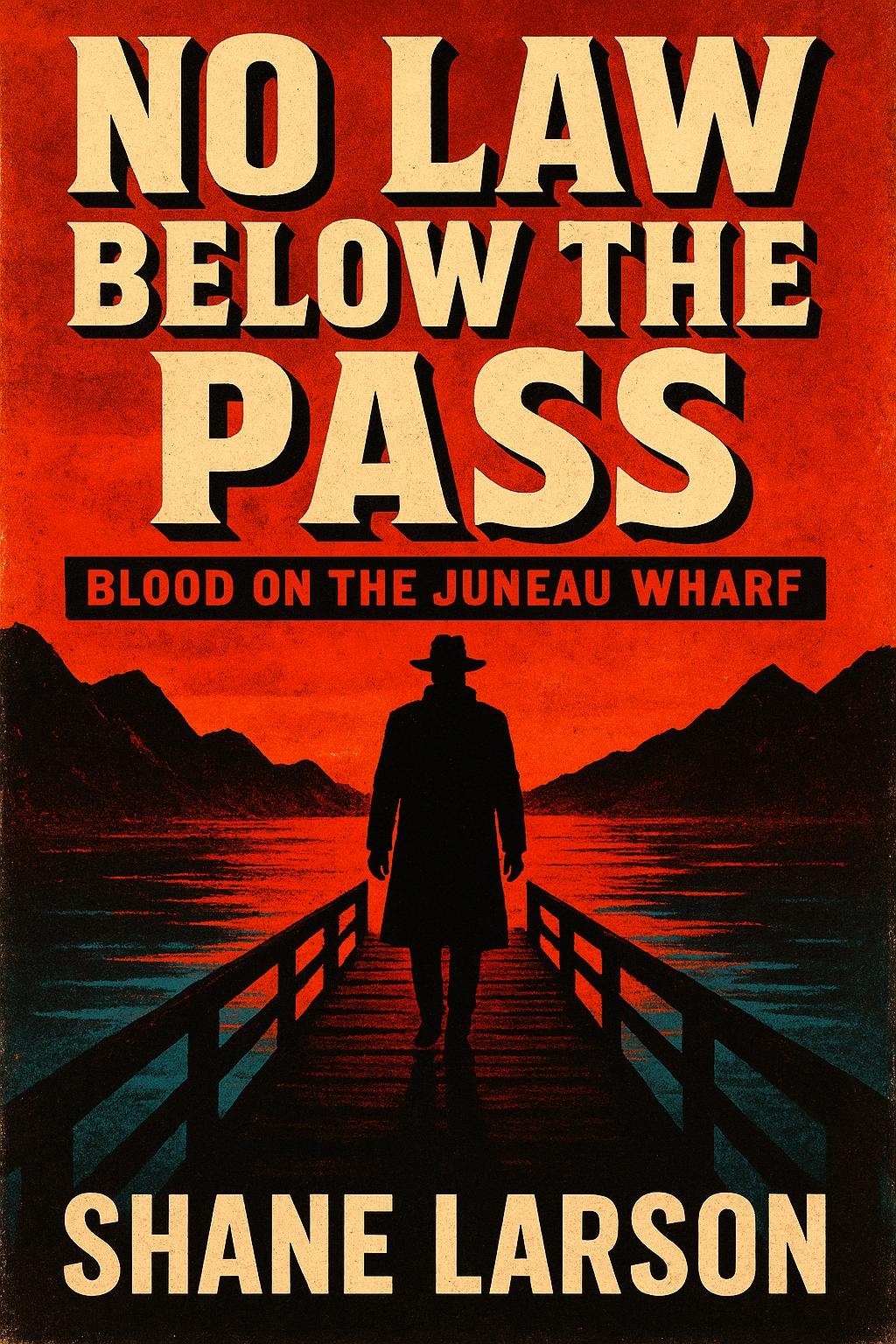
- No Law Below the Pass — frontier justice on a different edge of the map, where the law arrived late and the consequences came fast.
- Cahokia — another piece of American history hidden in plain sight: a city on this continent that rivaled the great capitals of the medieval world before it vanished from the story.
- American Inventors — the pioneers and originals who built the country, told without the gloss the textbooks usually apply.
The legend of Bass Reeves needs no embellishment. The man who could not write his name made more than three thousand arrests and walked away from every one of them — and the truest measure of him is how hard the country had to work to forget it.
Included with Kindle Unlimited — read it free if you're a member.
New Wild West / American Frontier History releases and free chapters — no spam, unsubscribe anytime.
More in The Wild West Series
View series →












More in This Genre
View all →