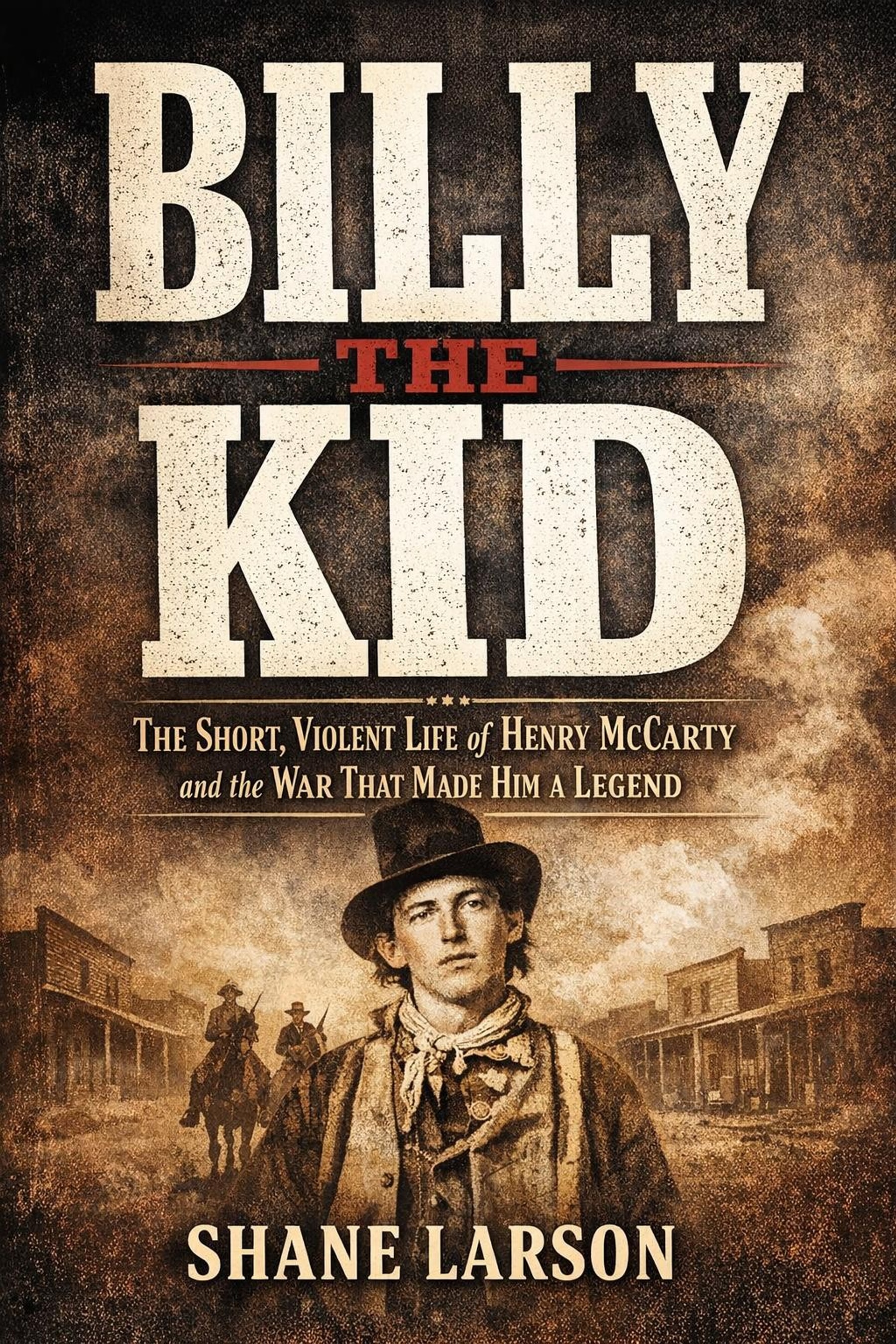
Billy the Kid
The Short, Violent Life of Henry McCarty and the War That Made Him a Legend
By Shane Larson · The Wild West Series (Book 10)
About This Book
He was supposed to have killed twenty-one men — one for every year he lived. It is a tidy, terrible number, and it is almost entirely false. The presses of the East invented it, the dime novels repeated it, and a century of movies sealed it into the American memory. The real count is somewhere between four and nine, and most of those deaths happened inside a war he did not start and could not escape.
Strip away the invention and a different young man steps forward. Not a grinning killer. A New York orphan named Henry McCarty, whose Irish mother coughed herself to death from tuberculosis in a Silver City boarding house, leaving a teenage boy alone in a territory that had no use for him. His first arrest was for stealing laundry. His first escape was up a jailhouse chimney. Everything after that was flight — a long chain of second chances that the law kept refusing to honor.
This is the documented life of the outlaw the world remembers as Billy the Kid, told from the record rather than the legend. It is harder, sadder, and far more interesting than the poster.
The Story
The turning point was not a gunfight. It was a contract dispute.
In 1878, Lincoln County, New Mexico, was a fight over beef, dry goods, and government supply contracts — and the men who controlled them. On one side stood "the House" of Murphy and Dolan, backed by the Santa Fe Ring, a web of officials, lawyers, and businessmen who ran the territory as private property. On the other stood a young English rancher named John Tunstall, who hired a quick, literate teenager named Henry as a ranch hand. When a sheriff's posse gunned Tunstall down — unarmed, on open ground — the boy who admired him was deputized into a vigilante outfit and handed a legal warrant to chase the killers. For a few months, Billy the Kid was technically the law.
The Lincoln County War burned through the next eighteen months: the ambush of Sheriff Brady, the running fight at Blazer's Mills, and the catastrophic Five-Day Battle that ended with a house on fire and men shot dead in the street as they fled. By the time the smoke cleared, the Kid was no longer a deputy. He was the most wanted man in the territory — and the only one anyone intended to hang for a war that had dirtied dozens of richer, safer hands.
Then came Governor Lew Wallace, who offered the Kid a secret amnesty in exchange for testimony, and quietly let the deal collapse once the testimony was given. What followed was the chase that made Pat Garrett famous, a network of Hispanic ranching families along the Pecos who fed and hid the Kid until the very end, and a little after midnight in Fort Sumner, a barefoot question asked in the dark — ¿Quién es? — answered with two shots. He was about twenty-one.
What You'll Discover
- The honest body count. He did not kill twenty-one men. This book shows the arithmetic behind the real figure — closer to four to nine — and where every inflated death actually came from.
- How a boy became an outlaw. The role of the Murphy-Dolan "House" and the Santa Fe Ring in turning a teenager the law refused to protect into the territory's most hunted fugitive.
- The Lincoln County War as it was fought — Tunstall's murder, the Brady ambush, Blazer's Mills, and the burning Five-Day Battle — reconstructed from the documented record, not the screenplay.
- The amnesty that was broken. Governor Lew Wallace's secret deal with the Kid: the promise Henry kept, and the one the state of New Mexico did not.
- The families who hid him. Why the Hispanic Pecos communities sheltered and fed the Kid to the end, and what that loyalty says about who the real outlaws were.
- Garrett's last ride — the killing at Fort Sumner, the inquest that followed, and the "he survived" legends that refused to die with him.
- Where the myth came from — how Eastern newspapers and dime novelists manufactured a monster out of a young man who was mostly running for his life.
Why I Wrote This
I came to Billy the Kid the way most people do — through the movies. Young Guns, the MGM+ series, the endless gunslinger reruns. And every version told me the same thing: twenty-one men, one for every year. The trouble is that the number is invented, and once I started pulling the threads, almost everything else unraveled with it.
What I found underneath was a story the legend had buried: an orphan failed by every institution that was supposed to catch him, deputized into a war started by men far more powerful and far less punished than he ever was. I didn't want to write another swaggering outlaw yarn. I wanted to set the documented record beside the myth and let readers see the gap for themselves. The real Henry McCarty deserves better than the cartoon — and the history is more gripping than the invention ever was.
Frequently Asked Questions
Is this a narrative history or a dry academic book?
It's narrative history — written to read like a story, sourced like a record. The scenes move, but the claims are anchored to the documented evidence, and the book shows its work rather than asking you to take its word for it.
Do I need to know the Old West to follow it?
No. The book assumes no background. It explains the players, the politics, and the geography of the New Mexico Territory as it goes, so a reader new to the period and a reader who has seen every Western will both find their footing.
How is this different from the movies?
The films sell the legend — the body count, the grin, the gunslinger. This book separates that invention from what the record actually supports, including the real number of killings and the corrupt war that produced the outlaw in the first place.
Is this part of a series?
Yes. It's Book 1 of The Wild West series. Companion volumes on Pat Garrett and on the Lincoln County War itself go deeper into the manhunt and the conflict that made the legend, so the trilogy can be read together for the full picture.
Is the book available on Kindle Unlimited?
Yes. It's enrolled in Kindle Unlimited and can be read at no additional cost with a KU subscription, or purchased on Kindle.
If You Liked This, You Might Like
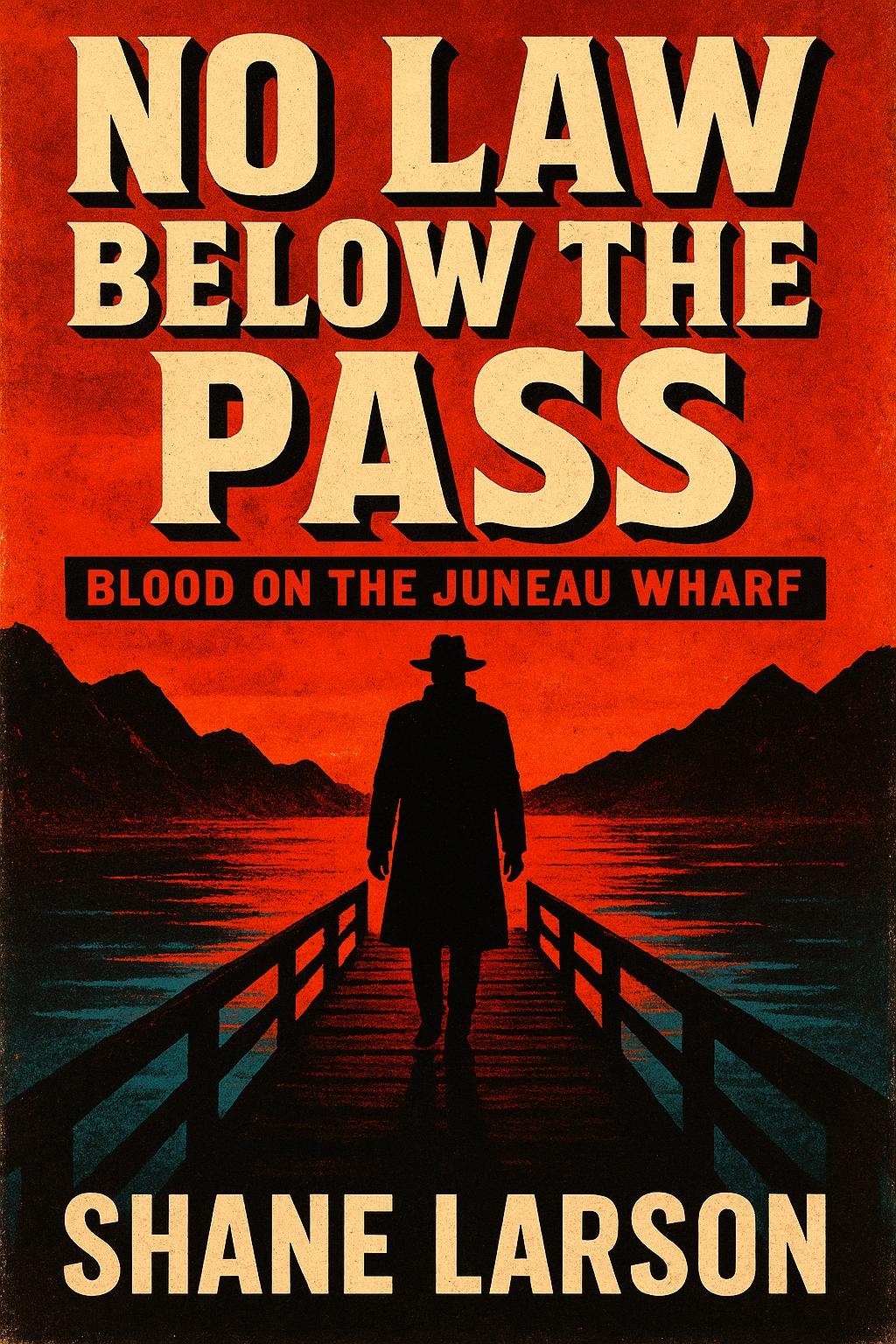
- No Law Below the Pass — a frontier thriller set on the same lawless edge of the map, for readers who want the Old West in fiction as well as fact.
- Cahokia — the buried history of an American city bigger than London, for anyone drawn to the parts of this continent's past the textbooks left out.
- The Taiping Rebellion — another nineteenth-century war the popular record distorted beyond recognition, told with the same myth-versus-evidence approach.
The legend killed twenty-one men. The young man killed far fewer, ran far longer, and was failed by far more powerful people than the story ever admits. This is the version the record supports.
Book 1 of The Wild West series.
Included with Kindle Unlimited — read it free if you're a member.
New Wild West / American Frontier History releases and free chapters — no spam, unsubscribe anytime.
More in The Wild West Series
View series →
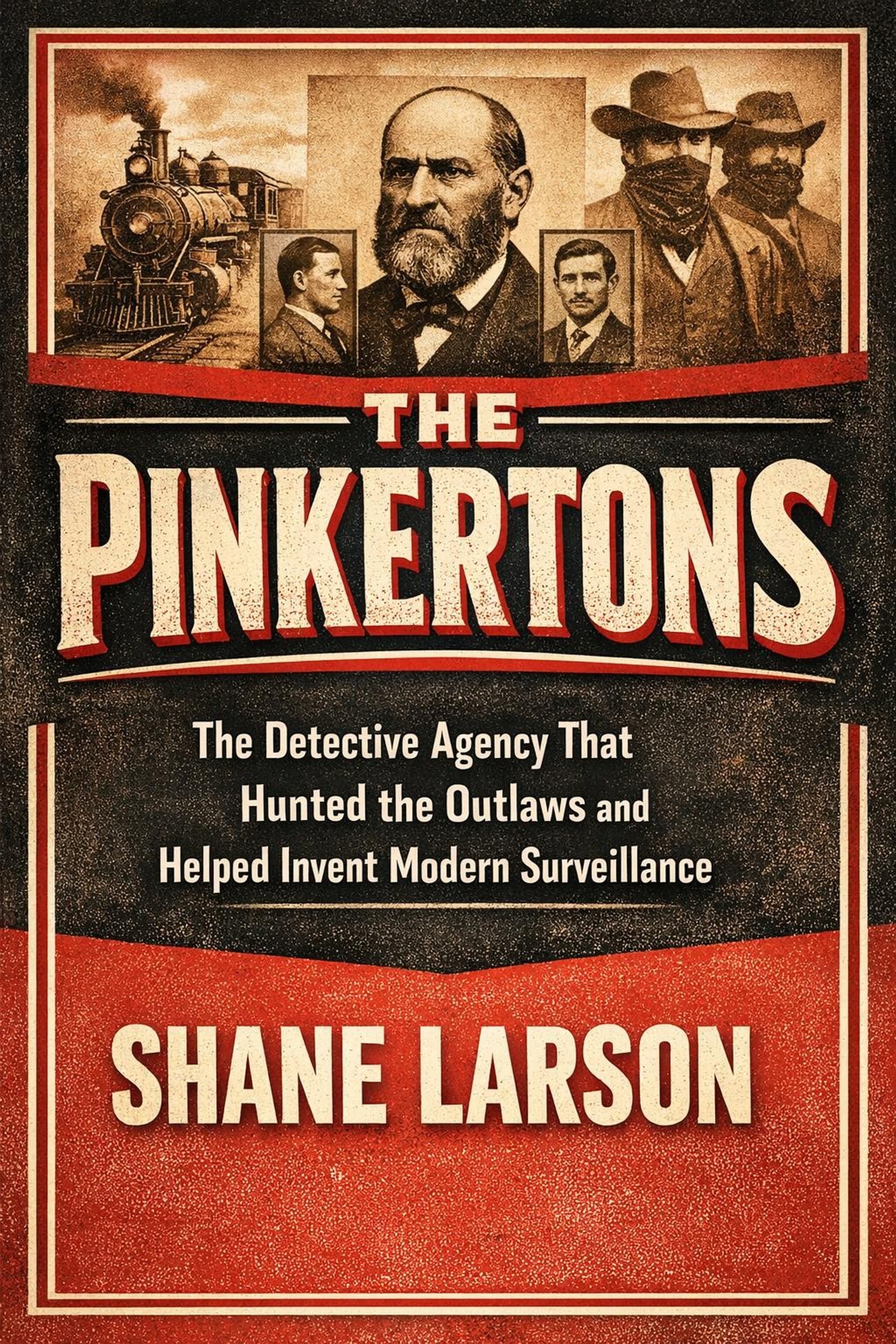
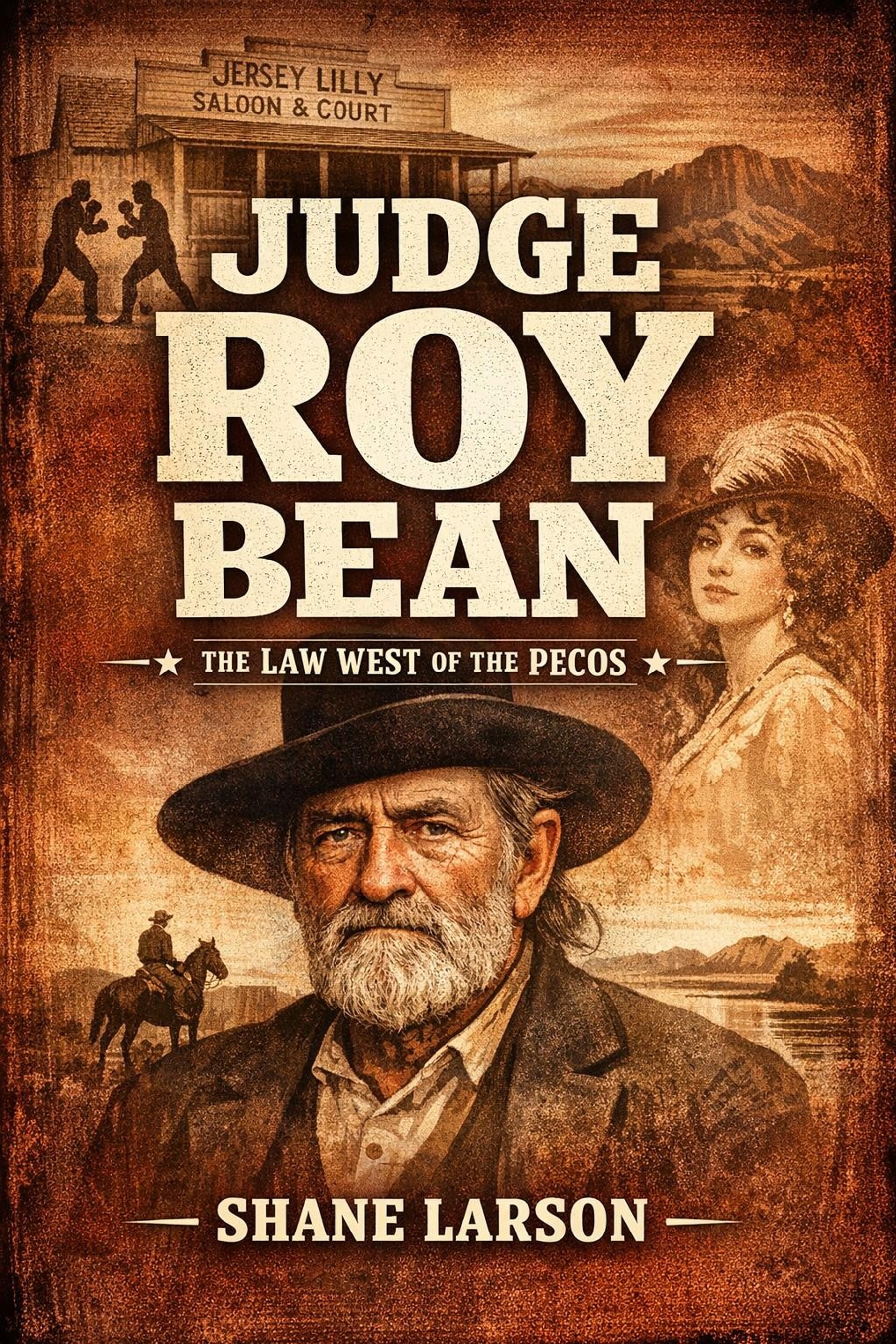
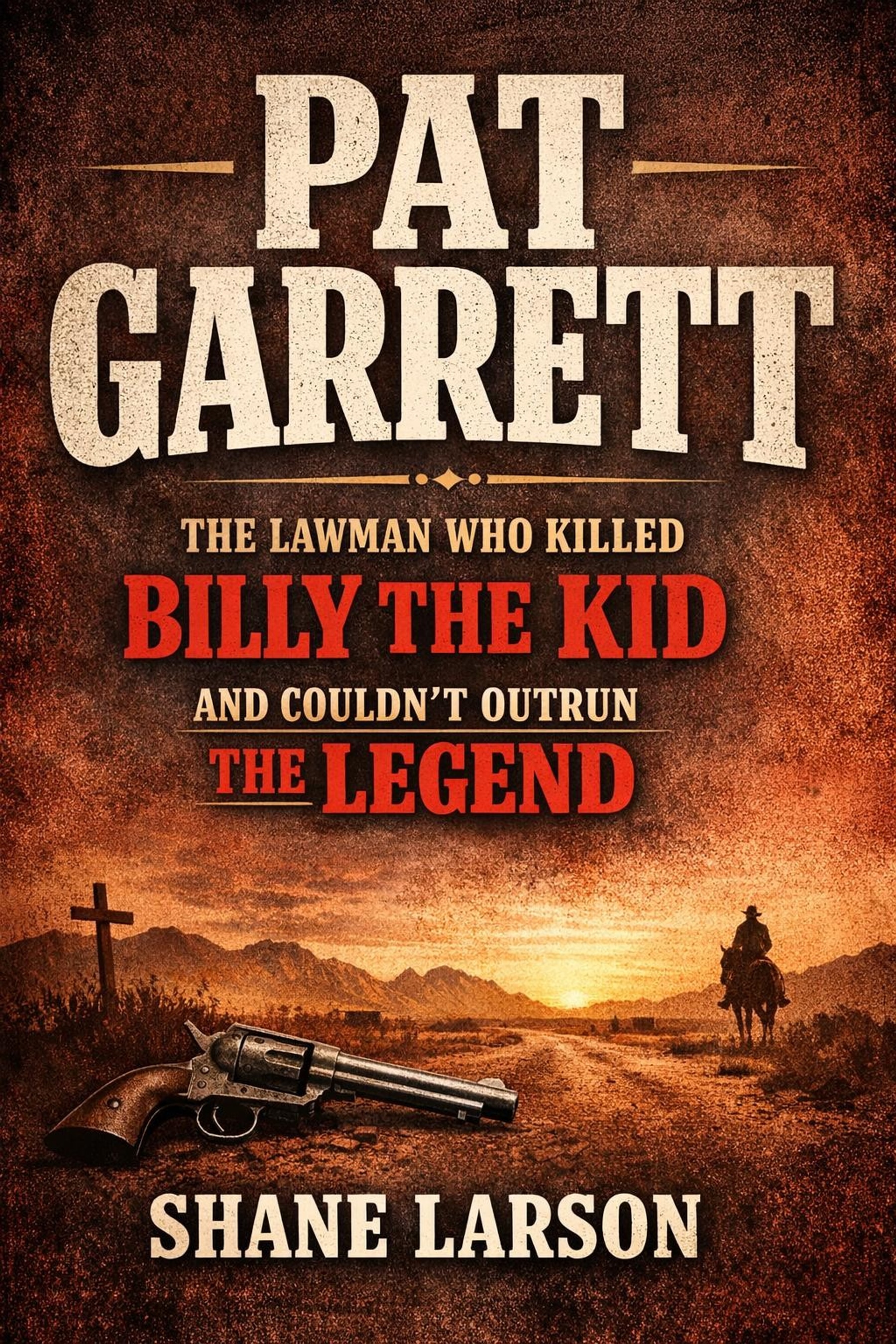
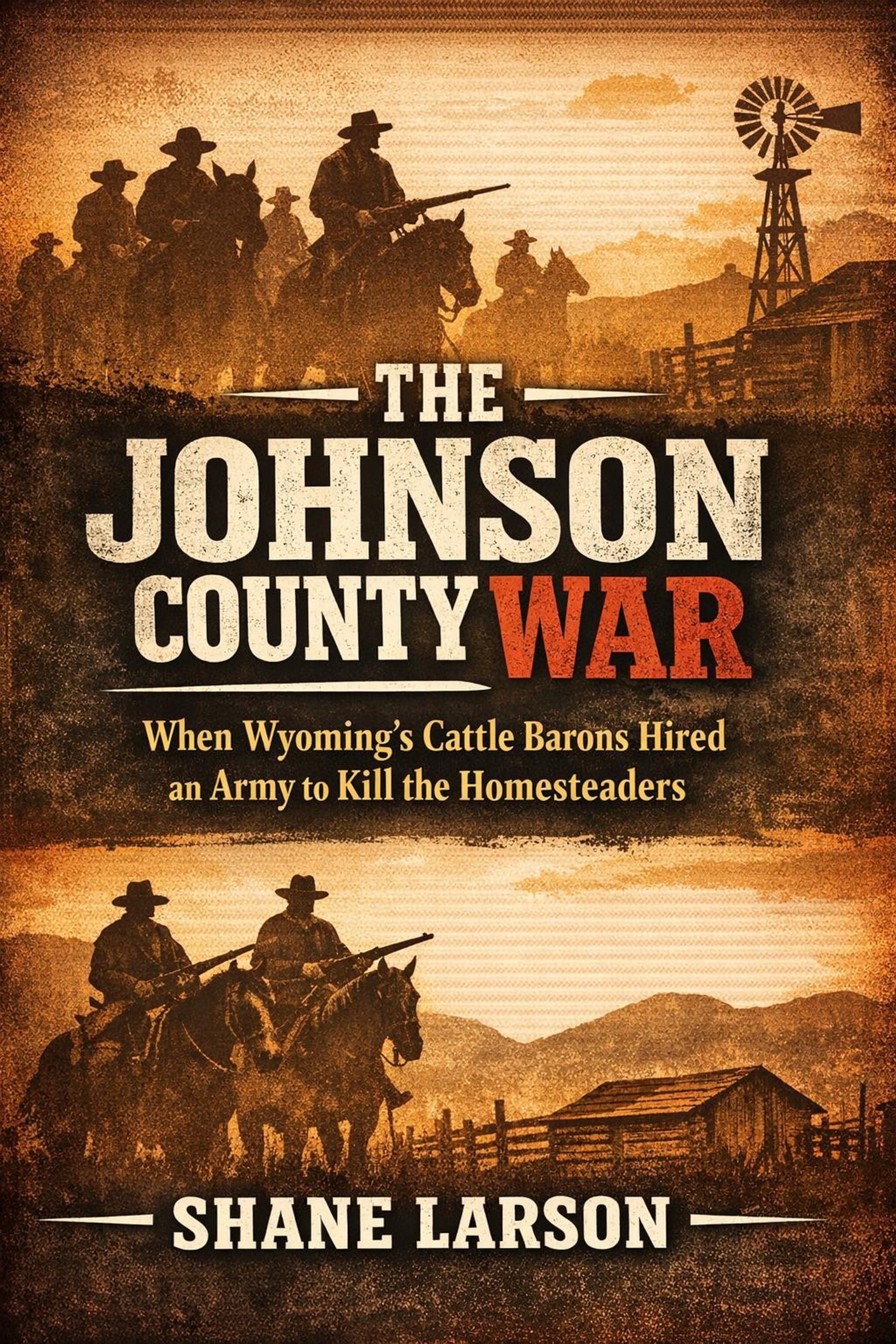
More in This Genre
View all →