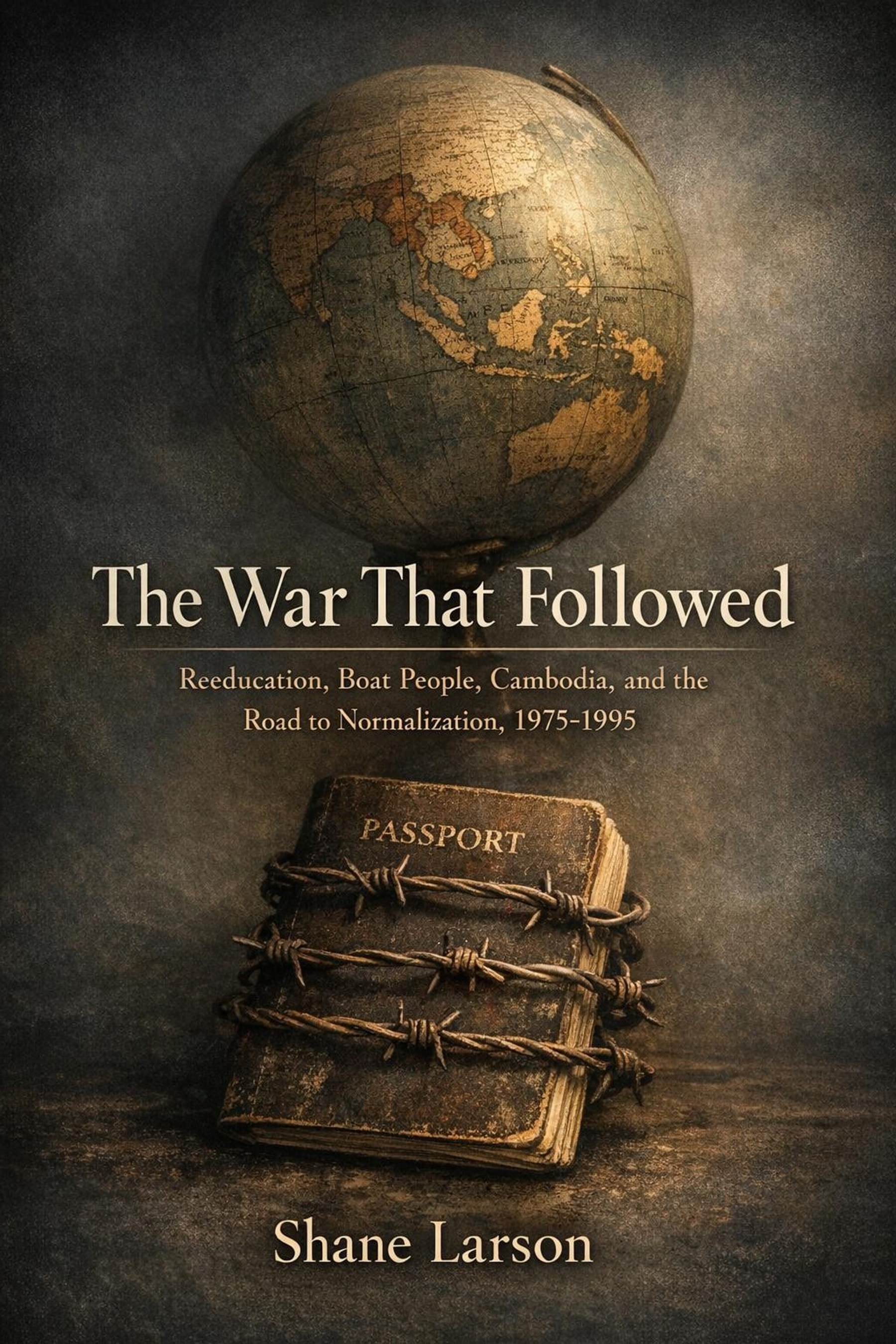
The War That Followed
Reeducation, Boat People, Cambodia, and the Road to Normalization, 1975-1995
By Shane Larson · The Vietnam War Chronicles (Book 9)
About This Book
In the autumn of 1979, the United Nations General Assembly took up the question of who should sit in Cambodia's chair. Ten months earlier, a Vietnamese army had driven from power the regime that had emptied Phnom Penh in a week and presided over the deaths of a large fraction of its own population — a toll this book spends a chapter taking apart rather than repeating. The General Assembly voted to keep the seat with the regime that had been removed. It kept voting that way, year after year, for more than a decade, with the support of China, of ASEAN, of the United States, and of most of Western Europe, while the state that had stopped the killing was placed under embargo and diplomatic siege. If a single fact shows why the twenty years after the Vietnam War cannot be told as an epilogue, that is the one this book would offer.
The ninth and final volume of The Vietnam War Chronicles runs from the tank at the palace gate to 11 July 1995, when an American president who had opposed the war announced normal relations with the state that had won it. Its claim, stated on the first page so the reader can watch it tested: what followed 30 April 1975 was the same war carried forward by new parties over new stakes. Inside Vietnam, the stakes were which classes, which histories, and which families would have a place in the reunified country. Across Indochina, the war turned actual — Khmer Rouge raids across the border, Vietnam's invasion of Cambodia, China's punitive expedition of February 1979, and a ten-year occupation and stalemate, all fought among states the American war had been premised on treating as one bloc. And in the United States, the fight was over meaning: a diagnosis, a memorial, an accounting, and a chemical.
The book is built to match its subject. Its first half is Vietnamese and Cambodian history in which Americans figure mainly as an aid programme that had stopped, an embargo, and an empty chair — the proportion the record itself dictates. The postwar shelf has long held one good book per subject, and the subjects never meet: the camps in the memoirs, Cambodia in the genocide scholarship, the refugees in one literature and the veterans in another, the Third Indochina War barely anywhere. This volume puts the man walking out of a camp in Nghe Tinh in 1988, the family screened in a Hong Kong detention centre in 1990, and the crowd at the Wall on a November morning in 1982 inside a single account — because they are consequences of the same war, and hinges of the same settlement.
Why I Wrote This
Nine volumes ago this series set out to follow one war through the institutions that decided it, stating each volume's argument up front so the reader could watch it tested. This book is where that method faces its hardest material, because the twenty years it covers left behind not one settled history but three — the Vietnamese state's, the diaspora's, and America's — and each of them is accurate in what it asserts and omits, with precision, what would embarrass its purpose. The series has taught one habit above all: ask who made an account, by what method, and what its maker needed it to show, before asking whether it is true. The final chapters apply that habit to all three memories at once, including the American one, and including — the reader is invited to notice — this book's own.
One more thing shaped every page. For a substantial part of this book's readership, the first half of it is not history but family history. It was written in that knowledge: factually, without sentimentality, with survivor testimony used only where it has been published and corroborated, and with no detail included beyond what establishing the record requires. The restraint is the respect.
Frequently Asked Questions
Why won't the book give a single number for the period's death tolls?
Because for the worst-contested figures of these twenty years — reeducation deaths, deaths at sea, the Cambodian toll, the 1979 border-war casualties — no honestly derived single number exists, and several of the numbers in circulation are actively instrumentalised: by a state that needs some of them small, by commemorative literatures that have settled on some of the large ones, and by political factions for whom they are ammunition in the argument about the war itself. The book's rule is applied without exception: every major figure is given source by source, with the method behind each estimate stated and the interest of its producer named — and where the honest answer is that a number cannot now be determined, the book says so and says why. Naming an interest is not an accusation of fraud; it is a reason to examine the method. Appendix B lays the six worst-contested figures side by side under that discipline, so the reader can audit the book's arithmetic along with everyone else's.
Why is half the book Vietnamese and Cambodian history?
Because between 1975 and roughly 1990, the largest events of this story — the camps, the remaking of the southern economy, the exodus, Democratic Kampuchea and the wars it set off — happened to Vietnamese and Cambodians, were decided by Vietnamese and Cambodians, and would have run much the same course whatever was said in Washington. An account of these years that keeps Americans at the centre must either inflate what America did or shrink what happened, and this book declines to do either. Every earlier volume of the series carried at least one full chapter from the other side of the hill; here the commitment stops being a chapter and becomes the structure. Americans return to the centre in Part Three, where the record puts them.
Does the postwar record vindicate the American war?
The book treats that as two questions wearing one coat, and refuses to let them share it. Whether the repression that followed 1975 retrospectively justifies the war, and whether that repression is an indictment of the victors, are separate matters. One is an argument about 1954 to 1975; the other stands complete on its own, without being conscripted to redeem anyone's war. Both positions are held by serious people, both are argued at full strength in the chapters where their evidence lives, and the book's contention is that the commonest way to argue dishonestly about this period is to answer one of the questions while pretending to answer the other.
How does the book handle survivor testimony?
Under the strictest sourcing rules in the series, because more of this volume's participants are living than in any book before it. Nothing is invented — no reconstructed dialogue, no composite witnesses, no interior monologue. Testimony is used only where it has been published and corroborated; where a story rests on a single telling, it is attributed to that telling or left out. And no detail of the camps, the boats, or the killing fields appears beyond what establishing the record requires, because the test applied to every particular is whether it changes the reader's understanding or only the reader's pulse.
Do I need to read the earlier volumes first?
No. The Introduction carries the whole war — from the French reconquest through Tet, Vietnamization, the Paris agreement, and the fifty-five days of 1975 — in a single compressed account, and the volume stands alone. Readers of the previous volume will recognise this book as the answer to its closing page: it begins in Saigon in the first days of May 1975, in a city waiting to find out what its conquerors would actually do.
If You Liked This, You Might Like
The eight earlier volumes of The Vietnam War Chronicles carry the story to this point:
- A War Inherited: France, Ho Chi Minh, and the Road to Dien Bien Phu, 1945–1954 — Volume 1
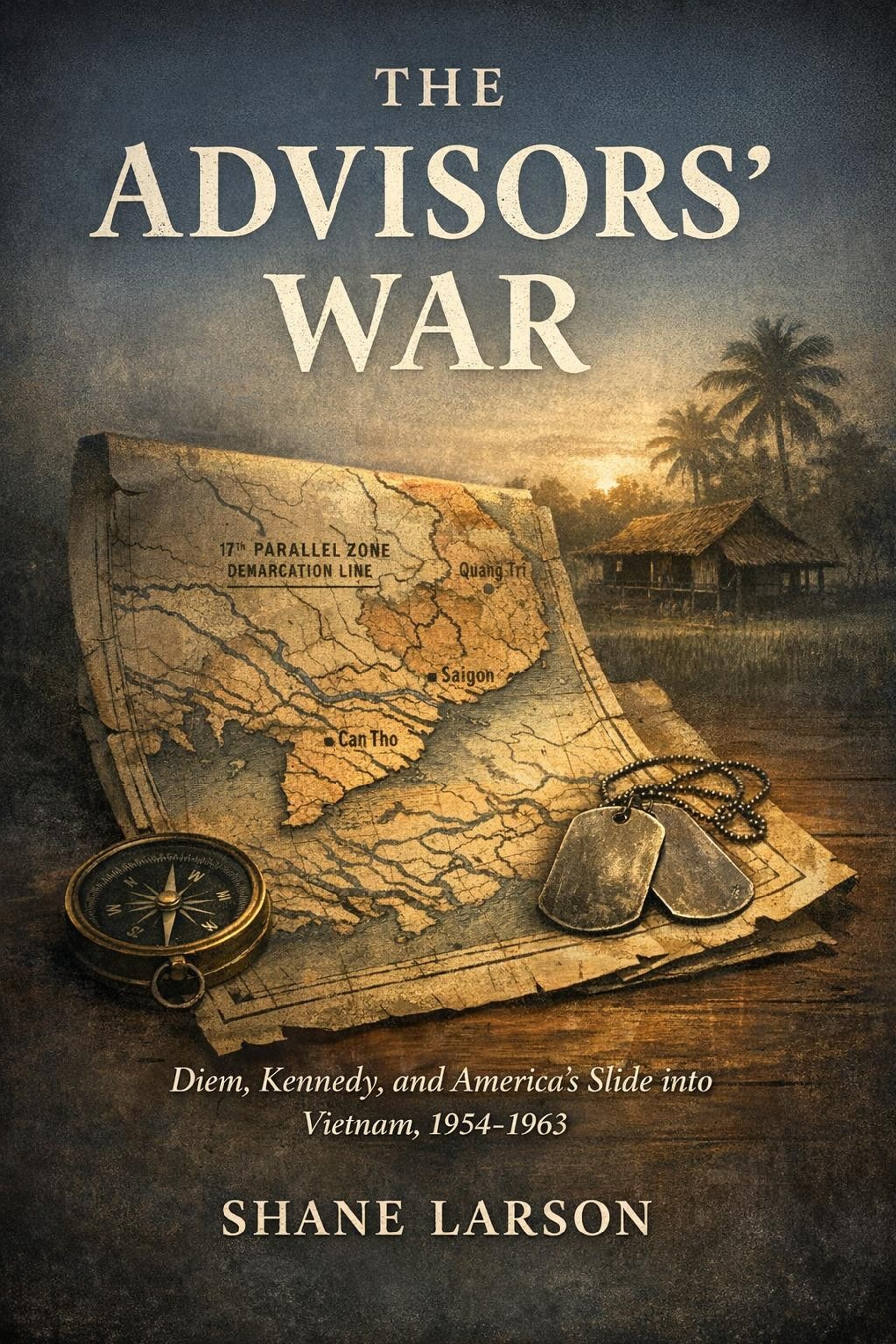
- The Advisors' War: Diem, Kennedy, and America's Slide into Vietnam, 1954–1963 — Volume 2
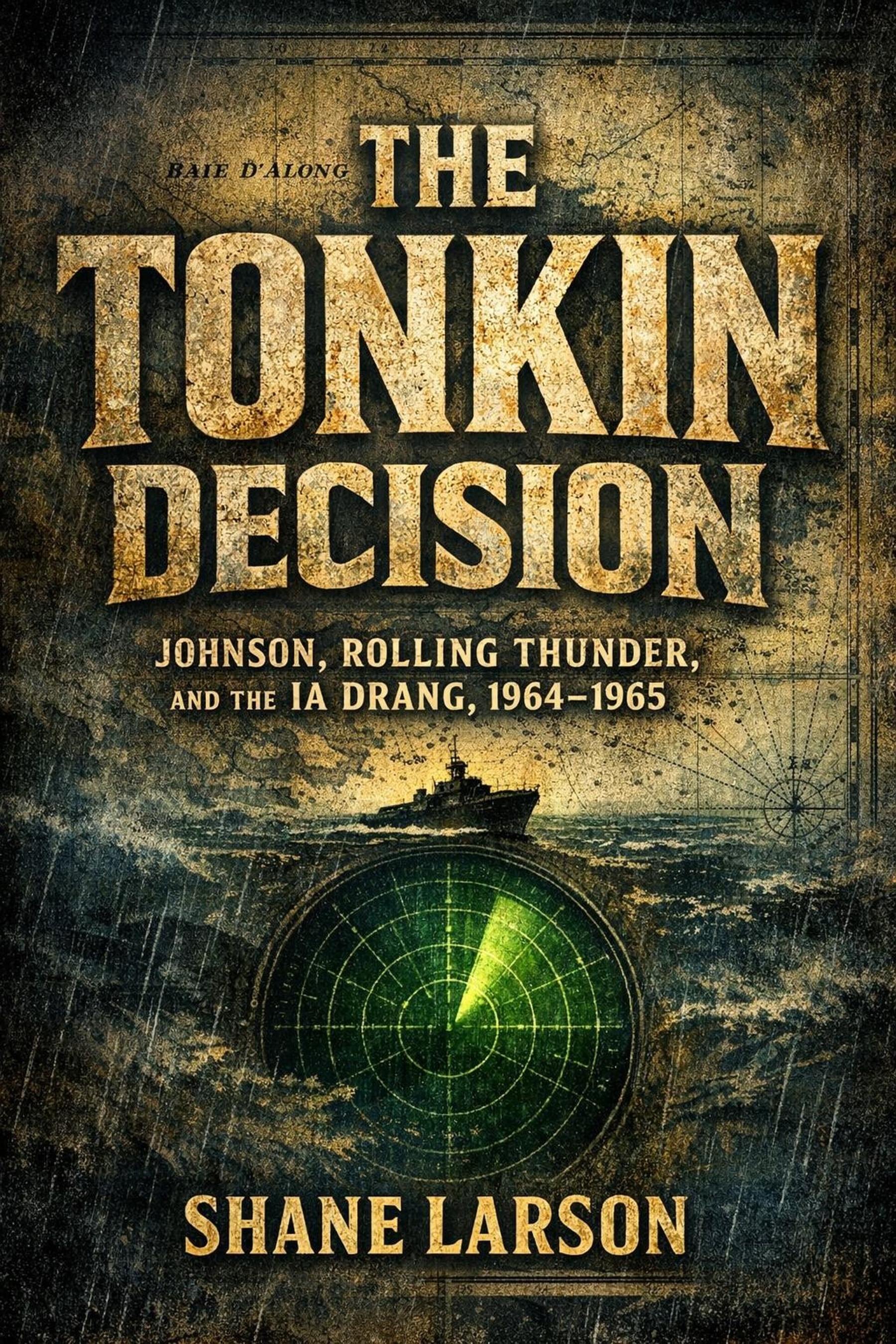
- The Tonkin Decision: Johnson, Rolling Thunder, and the Ia Drang, 1964–1965 — Volume 3
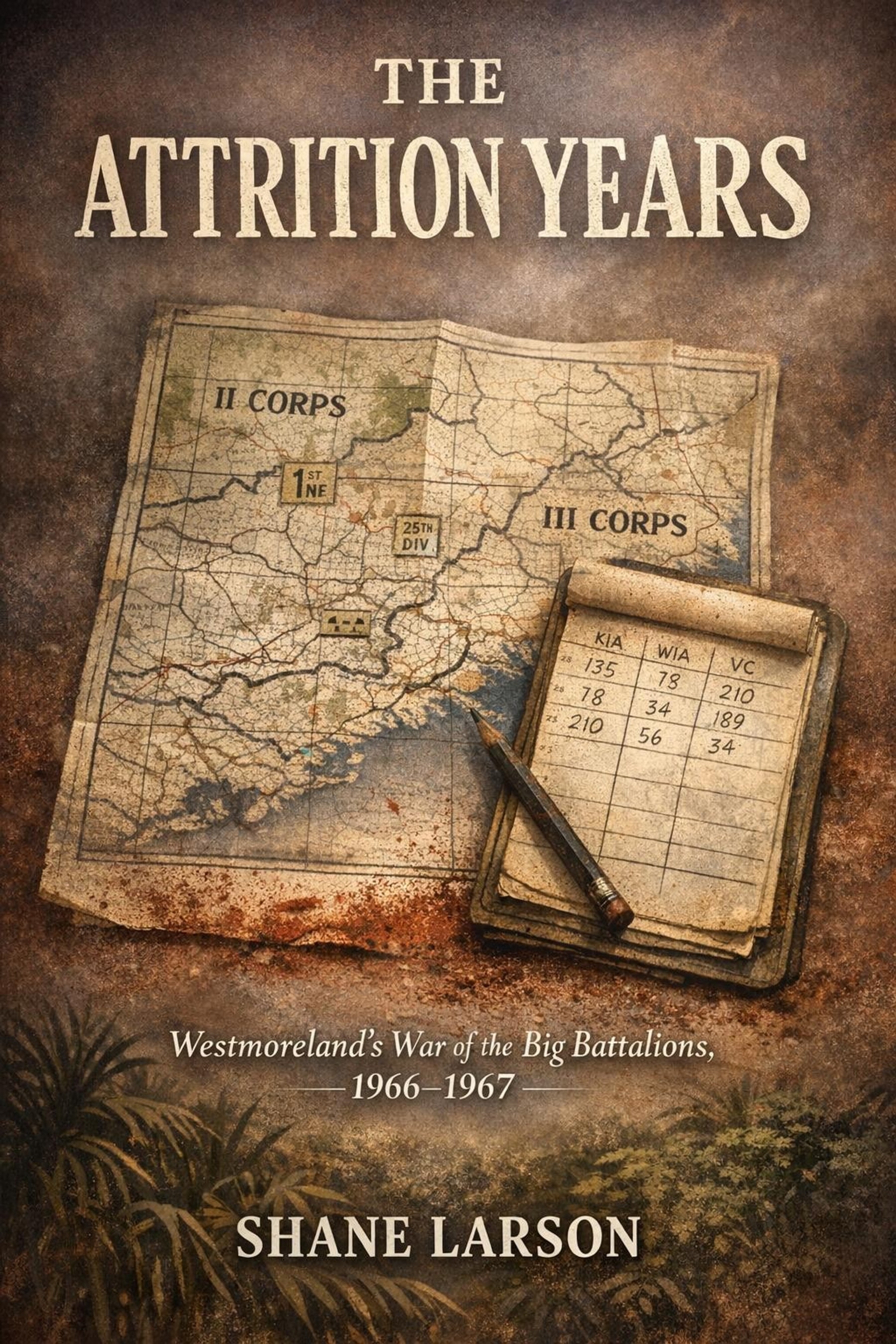
- The Attrition Years: Westmoreland's War of the Big Battalions, 1966–1967 — Volume 4
- Two Hundred Thousand More: Tet, Khe Sanh, Hue, and the Year America Stopped Believing, 1968 — Volume 5
- Handing Over the War: Vietnamization, Cambodia, and the War at Home, 1969–1971 — Volume 6
- The Easter Gamble: Hanoi's 1972 Offensive, Linebacker, and the Paris Accords, 1972–1973 — Volume 7
- The Republic Falls: From the Paris Accords to the Embassy Roof, 1973–1975 — Volume 8, which ends where this book begins
The War That Followed is the ninth and final volume of The Vietnam War Chronicles — nine books, one war, and one habit, taught nine times: ask who made an account, by what method, and what its maker needed it to show, before asking whether it is true.
What You'll Learn
- **Saigon under military management** — the first weeks of the takeover, conducted with more restraint than the diaspora expected and less than the state now claims, with both halves of that sentence given evenly
- **The remaking of the South** — the New Economic Zones, the 1978 abolition of private trade, the pressure on an ethnic Chinese community of over a million, and a food crisis in a country that had exported rice
- **Detention and exodus** — the two great Vietnamese experiences of the period, traced from the published, corroborated record, with the distinction between flight and expulsion given the evidence it turns on
- **Democratic Kampuchea from its own documents** — and a death toll that has been argued down and argued up for reasons that had nothing to do with the evidence, with the arguers on each side named
- **The wars among allies** — Ba Chuc, the invasion, China's answer at Lang Son and Cao Bang, and the decade of occupation and credentials votes the West has largely declined to remember
- **The veterans and the diagnosis** — the returning soldier's reception examined against the documentary record rather than the received story in either direction, and PTSD's road into the manuals in 1980
- **The Wall** — how a country that could not agree on a thesis got a national object with no thesis in it, and what that made possible
- **The missing** — an accounting question transformed into a national symbol and then into the price of every diplomatic step, reported from the official inquiries rather than the folklore in either direction
- **Agent Orange and the ordnance** — covered as ongoing harm, because the harm has not stopped: the settlement that paid without deciding, the presumptive-conditions list and what it is and is not evidence of, the hotspots, and the unexploded war still in the ground in three countries
- **Doi moi, the long departure, and normalization** — the party's own published admission of failure in 1986, the negotiated emigration of the former detainees, the Comprehensive Plan of Action including the forced repatriations it produced, and the roadmap that ended at 11 July 1995
Included with Kindle Unlimited — read it free if you're a member.
New Military History releases and free chapters — no spam, unsubscribe anytime.
More in The Vietnam War Chronicles
View series →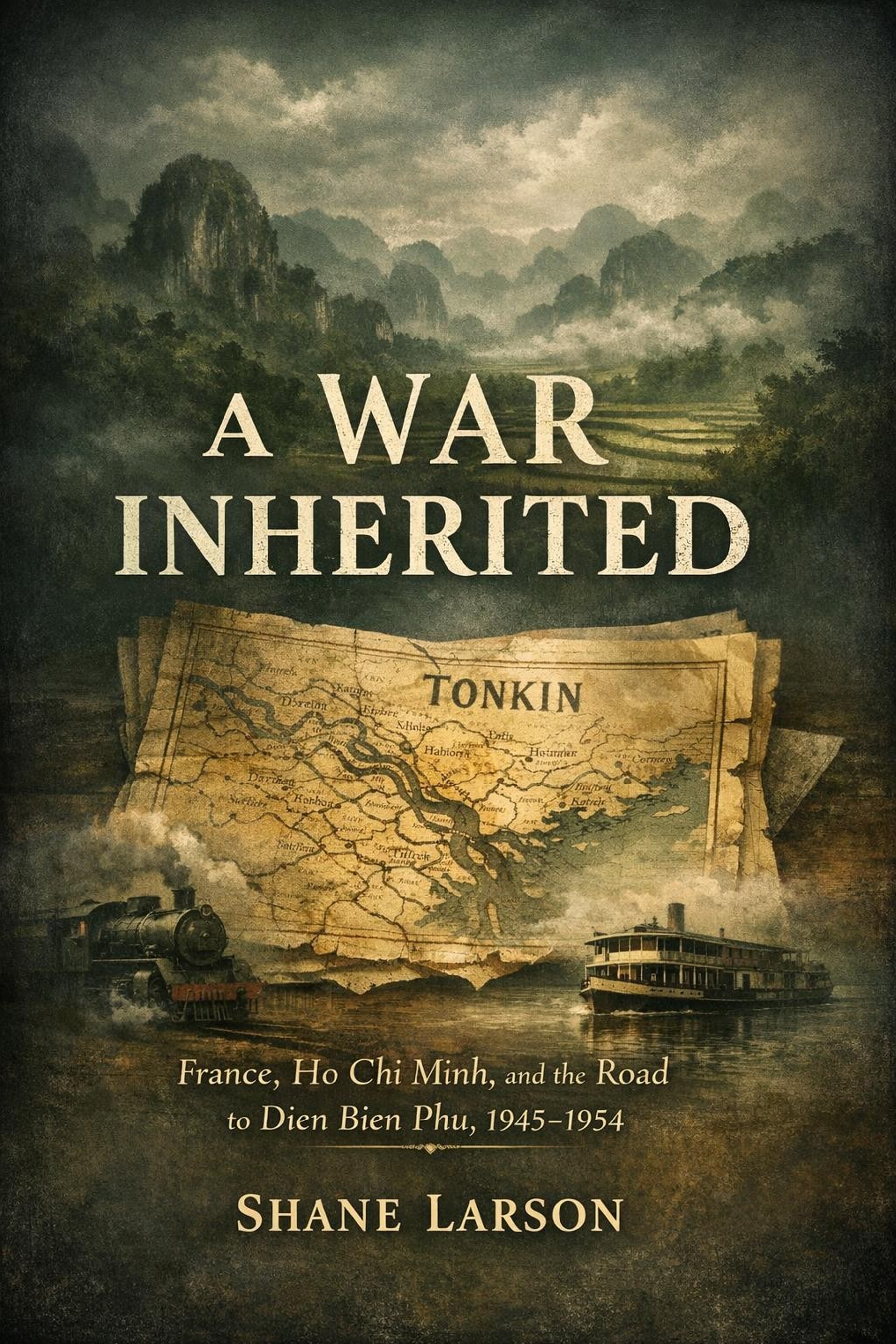

More in This Genre
View all →