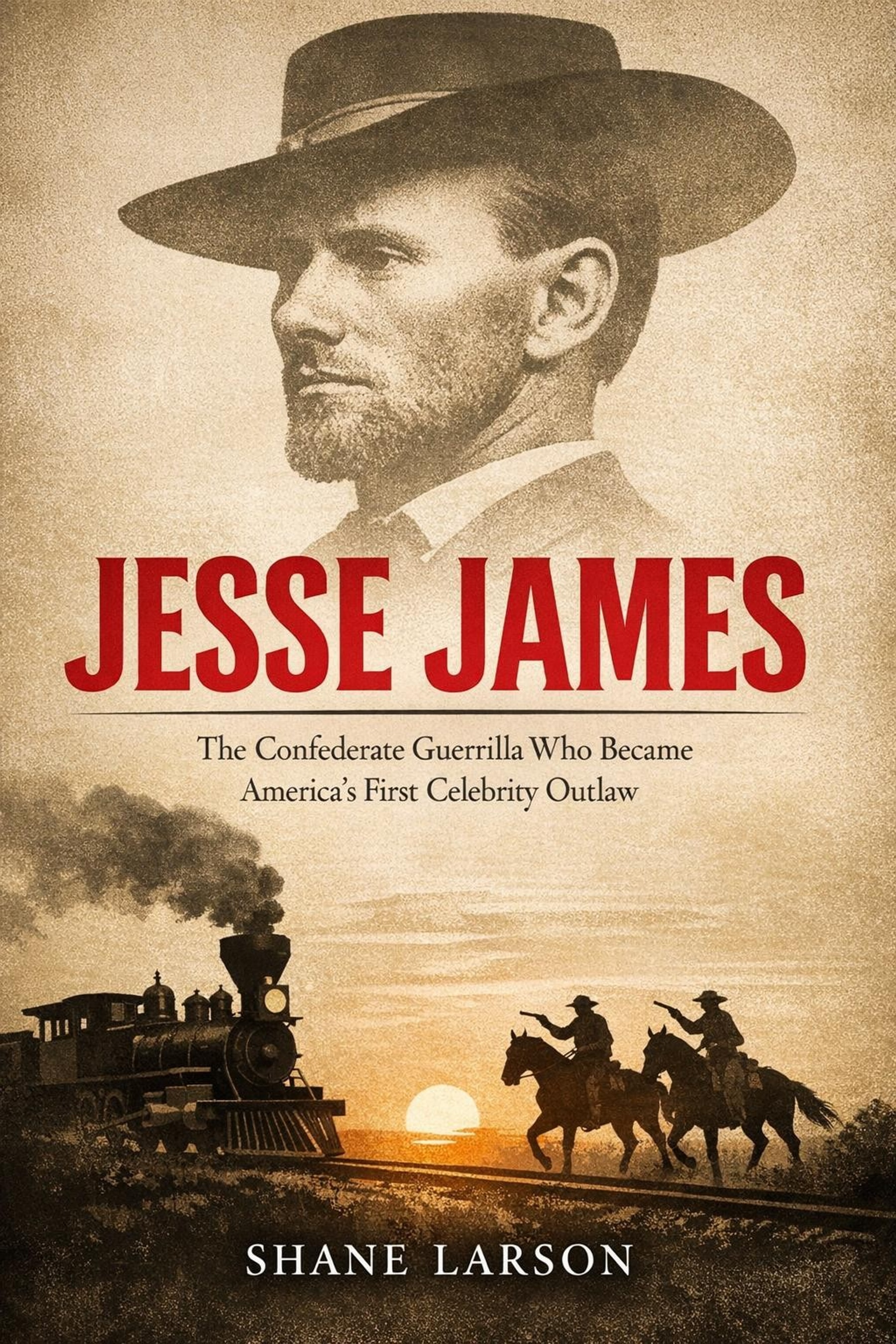
Jesse James
The Confederate Guerrilla Who Became America's First Celebrity Outlaw
By Shane Larson · The Wild West Series (Book 12)
About This Book
Robert Ford pulled the trigger on April 3, 1882, and within hours the story had already been rewritten. The man who climbed onto a chair to straighten a picture — unarmed, back turned — became a martyr. Ford became a coward. And Jesse James, bank robber and political terrorist, became the gallant outlaw who never hurt an honest man.
None of it was an accident. The myth had been under construction for a decade before that bullet, and the man building it had a name, a printing press, and a political motive. Jesse James: The Making of a Legend is the history behind the legend — how a sixteen-year-old guerrilla who participated in one of the Civil War's worst massacres became the first celebrity outlaw in American history, and why the press and public were desperate to help him get there.
The Man Behind the Myth
Jesse James did not become famous because he was a particularly successful criminal. He became famous because John Newman Edwards needed him to be.
Edwards was a former Confederate officer turned Missouri newspaper editor who understood something most people didn't: a story about a persecuted Southern knight riding against Yankee banks and railroad corporations was better propaganda than anything he could invent. Jesse James was real. He was active. And he was willing to play the role — or at least willing to let Edwards play it for him.
The timing was everything. The Civil War had ended but the grudges hadn't. Western Missouri — the heart of James country — had been a no-quarter guerrilla theater. The men who rode with Quantrill and Bloody Bill Anderson had committed atrocities and survived them. Some of them, like Jesse James, just never stopped riding.
What Edwards manufactured in real time was Lost Cause mythology with a gun in its hand: the banks were corrupt, the railroads were predatory, the Pinkertons were hired thugs — and Jesse James was the man fighting back. That dime novels, ballads, and eventually tourist traffic at the James farmhouse sustained the myth long after Jesse's death says something important about the audience, not just the storyteller.
What's Inside
- The Centralia Massacre and what it made — Jesse James at sixteen, riding under "Bloody Bill" Anderson in one of the Civil War's most brutal single-day civilian killings, and what no-quarter warfare does to a teenager who survives it
- The first daylight bank robbery in American peacetime — the 1866 Liberty raid and the gang's early operations before Edwards had built the myth to cover them
- How John Newman Edwards built a folk hero in print — the mechanics of Confederate-sympathizer propaganda running in Missouri newspapers while Jesse was still actively robbing trains
- Why the villain mattered as much as the hero — banks, railroads, and Pinkerton agents provided the narrative structure the myth required, and Edwards knew exactly how to use them
- The 1875 farmhouse bombing — Pinkerton agents threw an incendiary device into the James home, killing Jesse's young half-brother and destroying his mother's arm; it handed Edwards a story no propagandist could have invented
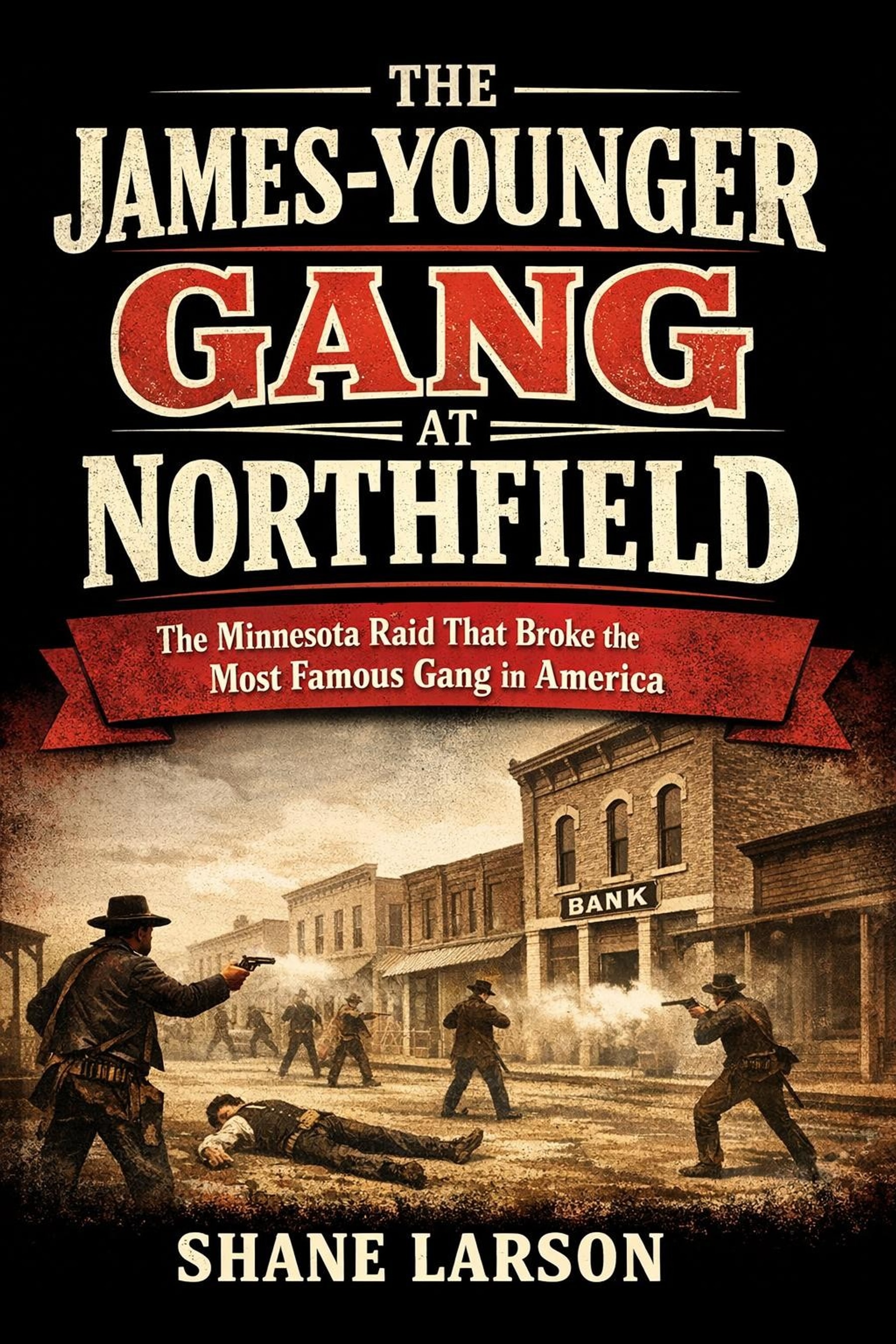
- The Northfield disaster — the 1876 Minnesota bank raid that shattered the James-Younger Gang and marked the beginning of the end
- The economics of the legend — dime novels printed while Jesse was alive, ballads circulating before his body was cold, and his mother charging tourists to visit the grave
- Robert Ford's bargain — the reward money, the pardon, the murder, and why Ford became the villain of a story in which he was arguably just cashing a check
- The 1995 exhumation — a DNA test that confirmed the man in the grave was Jesse James, closing the door on a century of impostor claims
Why I Wrote This
The Jesse James story kept catching me sideways. The closer I looked, the more obvious it became that the legend was the interesting thing — not because it was false, but because it was manufactured, deliberately, by someone who understood media and politics well enough to make a working criminal into a national cause.
John Newman Edwards doesn't get enough credit in most Jesse James histories. He wasn't just a sympathetic reporter. He was running a calculated disinformation campaign, and it worked so well that the subject of that campaign became immortal. I wanted to write the book that took Edwards seriously — that treated the myth-making as the story, not the footnote. The robberies are documented. The guerrilla war is documented. The propaganda is documented. Put them together and what you have is a case study in how celebrity outlaws get made — which turns out to be a story about audiences as much as criminals.
Frequently Asked Questions
Do I need to read other books in the Wild West series first?
No. Each book in the series stands completely on its own. This one focuses on Jesse James, his Civil War origins, and the myth-making machinery that surrounded him — it requires no prior reading from the series.
Is this narrative history or a dry biography?
It's narrative nonfiction — written to read like a story, built on documented sources. It follows the chronology of James's life and the parallel construction of the legend, so you're reading two threads at once: what actually happened, and how it was being spun in real time.
What makes this different from other Jesse James books?
Most Jesse James histories spend the bulk of their pages on the robberies. This one treats John Newman Edwards and the myth-making apparatus as a primary subject — not background context. If you want to understand why Jesse James became famous, rather than just what he did, that's the argument this book is built around.
Does the book cover the guerrilla war in detail?
Yes. The Civil War chapters — particularly Centralia and Jesse's time under Bloody Bill Anderson — are covered in enough detail to understand how the violence of that era shaped both the man and the mythology. The war didn't end for former guerrillas the way it ended for everyone else.
Is this available on Kindle Unlimited?
Yes. The ebook is available through Kindle Unlimited for subscribers.
How long is the book?
It's a focused narrative history — long enough to cover the full arc from the Civil War through the 1995 DNA exhumation, but written for readers who want the story, not an academic survey.
If You Liked This, You Might Like
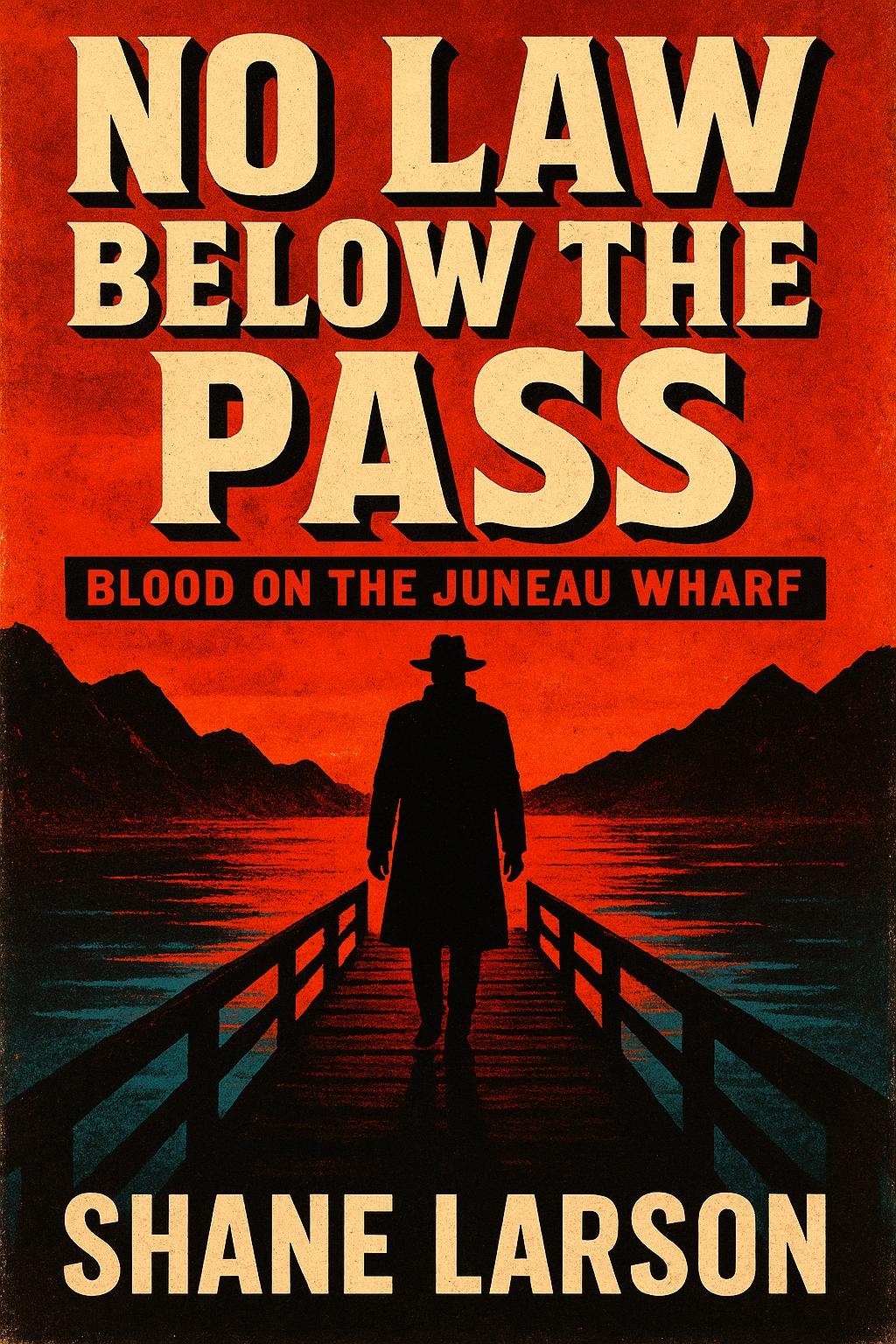
- No Law Below the Pass — A frontier thriller set in the same era of violence and contested law, where the line between outlaw and lawman is as thin as the author's sympathy.
- Attila — Another case study in how a violent man becomes a legend: the Scourge of God, the propaganda that surrounded him, and the gap between the historical record and the myth.
- Boudica — The queen who burned Roman Britain and became an icon — another story about how a historical figure gets transformed into a symbol that says more about the audience than the person.
Part of The Wild West series from Peak Grizzly Publishing — frontier history that respects your intelligence.
Included with Kindle Unlimited — read it free if you're a member.
New Wild West / American Frontier History releases and free chapters — no spam, unsubscribe anytime.
More in The Wild West Series
View series →
More in This Genre
View all →