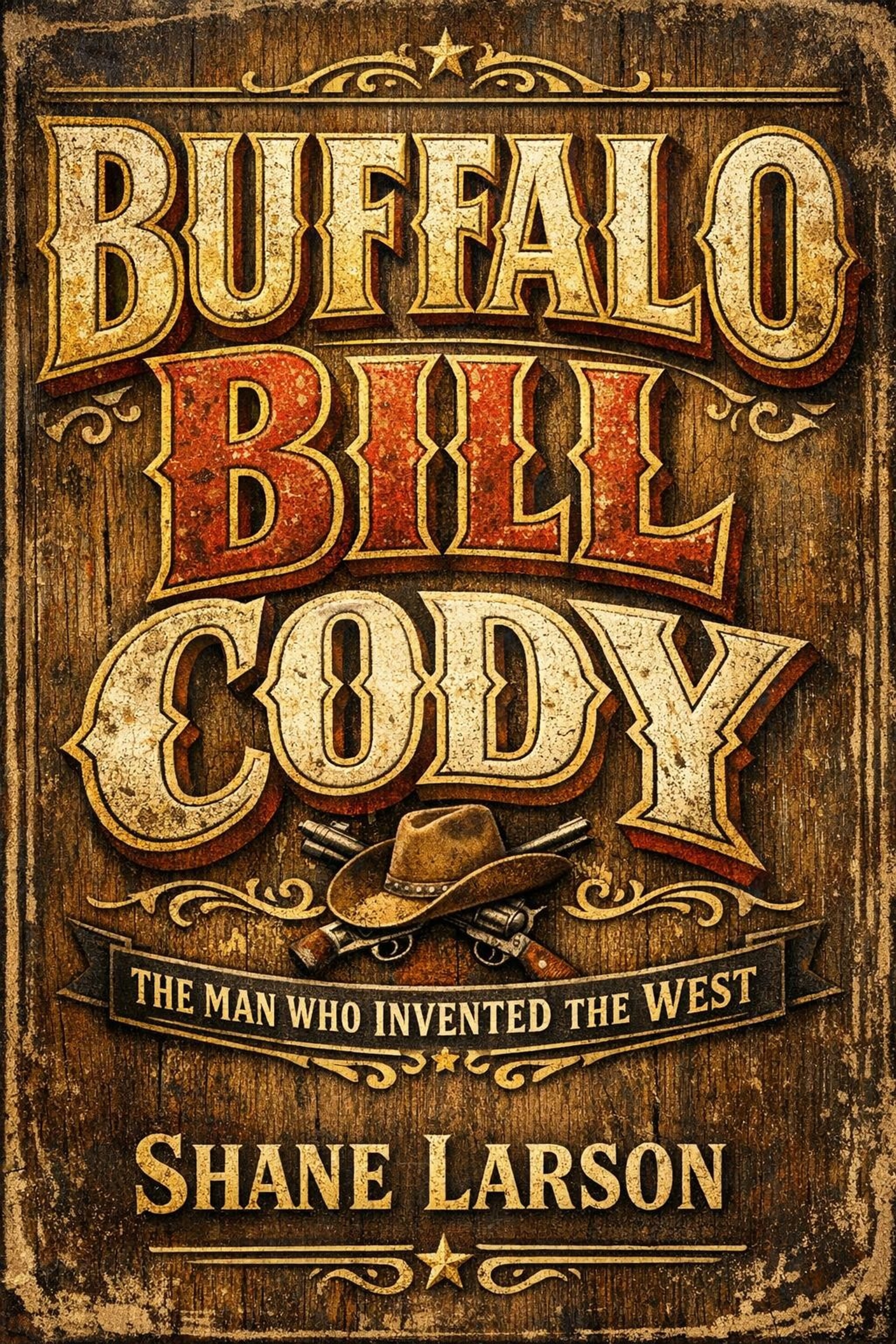
Buffalo Bill Cody
The Man Who Invented the West
By Shane Larson · The Wild West Series (Book 27)
About This Book
On the afternoon of July 17, 1876, a company of the Fifth Cavalry waited in a fold of ground above Warbonnet Creek in northwestern Nebraska, watching a party of Cheyenne ride out from the Red Cloud Agency. One of the scouts with them was dressed for a theater — black velvet trimmed in scarlet and silver, a costume made for a stage in the East and worn that day on the northern plains because he had come straight from a touring season with nothing else to hand.
Within weeks he was back on a stage, in the same clothes, performing what he had done at Warbonnet Creek to audiences who paid to watch it.
His name was William Frederick Cody. He was thirty, and he had just found the thing that would occupy the rest of his life: the frontier did not have to be over before you could sell tickets to it.
The Argument
Most of what any of us can picture when we picture the American West came from an arena.
Not from a photograph, not from a court record, not from a diary. From an outdoor exhibition that ran from 1883 to 1913 and was watched by tens of millions of people across two continents. The stagecoach pursued by mounted riders. The isolated cabin under attack. The cavalry coming over the rise at a gallop in the last available minute. The buckskin, the long hair, the white hat, the trick shooter on glass balls. Every one of those was an arrangement — decisions about staging, timing, and sightlines, made by working showmen who needed the action to read clearly to somebody sitting a hundred yards away with the sun in their eyes.
Then motion pictures arrived, and the first western films were made by and with the people who had spent twenty years perfecting those arrangements. The camera inherited the arena and has never really put it down.
What keeps the story from being simple is that Cody was not a fraud. He genuinely scouted for the Fifth Cavalry, and the officers who used him thought he was very good at it. He genuinely killed buffalo under contract for the Kansas Pacific. He genuinely held the Medal of Honor, revoked in 1917 on a technicality and restored in 1989. When his exhibition claimed to present real Lakota, real cowboys, and real veterans of the campaigns, it was telling the truth about its cast. The deception was never in the parts. It was in the arrangement — the shape those true parts were pressed into, which was more coherent, more romantic, and very much less troubling than what any of them had lived through.
He is also harder to sort than either the hero or the huckster version allows. The man who helped strip the plains of buffalo later lobbied for game preservation. The man who staged Native defeat twice a day wrote publicly that Native Americans had been wronged. He argued for women's suffrage, and paid Annie Oakley what she was worth when almost nobody would have. He made several fortunes, lost all of them, and died in Denver in 1917 with very little left. This book does not tidy those contradictions into a verdict.
What's Inside
- Warbonnet Creek, examined properly — what the conflicting accounts actually support about the killing of Yellow Hair, and how fast the event became a script.
- The buffalo contract — the 1867–68 Kansas Pacific work, how the famous count of 4,282 was arrived at, and the industrial slaughter Cody was one contractor inside.
- Ned Buntline and the dime-novel machine — how Cody became famous before he controlled his own story, and the December 1872 Chicago debut that was terrible and sold out anyway.
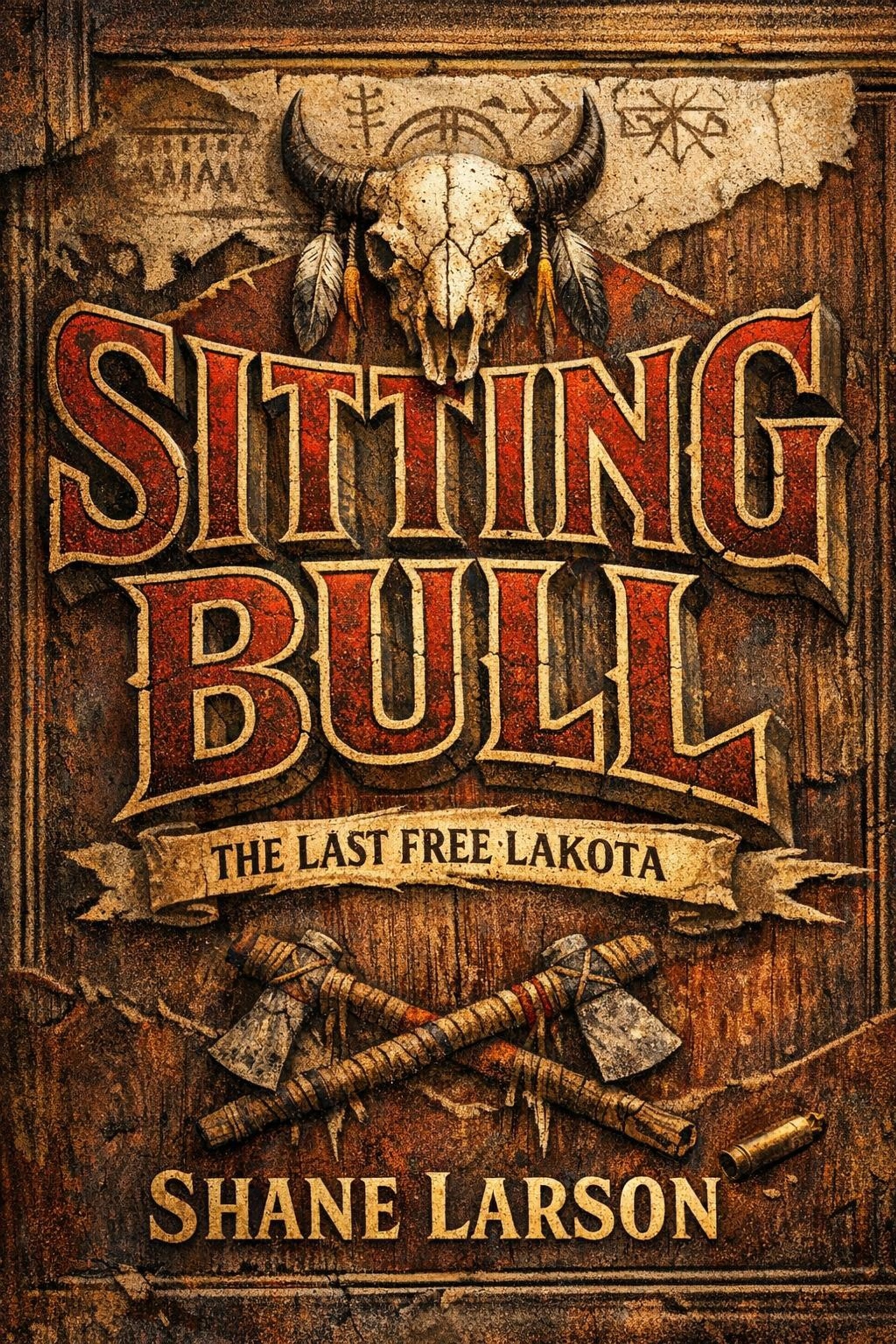
- Sitting Bull's single season — the 1885 tour, the crowds that cheered him in Canada and hissed him in the States, and why he refused to come back.
- The performers with contracts — recruitment at Pine Ridge and Rosebud, wages against what the agency economy offered, the Indian Office's objections, and the Lakota performers who went to Washington to speak for themselves.
- Chicago, summer 1893 — barred from the World's Columbian Exposition, Cody leased the lot outside the gates and outdrew it, in the same weeks Frederick Jackson Turner told a nearly empty room the frontier had closed.
- Europe and the long unwinding — the 1887 Jubilee season in London, and then the mine, the divorce suit, the debt to Harry Tammen, and the 1913 sheriff's sale that auctioned the show out from under him.
- Three appendices — an act-by-act reconstruction of the programme against the history behind it; a claim-by-claim audit of the Cody record; and a guide to spotting arena staging in any western you watch.
Why I Wrote This
This series has spent more than twenty books doing one thing: taking a famous frontier figure, setting the documented record beside the legend, and saying plainly which is which. Somewhere around the tenth title I started noticing the legends kept having the same fingerprints on them.
Cody is where the fingerprints lead. He is the reason most of the other subjects are famous in the particular way they are famous. Hickok toured with him and hated it. Sitting Bull rode in his arena. Custer's last stand closed his programme for years.
What kept me on it was the timing. I had assumed, the way most people do, that the myth came afterward — that the West got romanticized once it was safely over. It didn't. Cody was performing the frontier while he was still being hired to work in it, once in the same costume. That is stranger than any of the legends, and it took a book to work out what it means.
Frequently Asked Questions
Was Buffalo Bill a real frontiersman or just a showman?
Both, and the order matters. Before he sold a single ticket he had worked wagon trains, ridden as a Civil War cavalryman, killed buffalo under contract, and served as chief of scouts for the Fifth Cavalry, where the officers who used him rated him highly. The showmanship was built on real experience — which is exactly why his version was so hard to argue with.
Did Sitting Bull really tour with Buffalo Bill's Wild West?
Yes, for one season, in 1885. He was paid, he traveled the United States and Canada, and he was cheered in some cities and jeered in others as the man who killed Custer, which he was not. He made extra money selling photographs and autographs, much of which he gave away to poor children in the streets. He declined a second season.
Were the Native performers exploited?
The honest answer is that it is genuinely contested, and the book lays out both sides rather than settling it for you. The show paid cash wages, provided travel and food, and let men keep their language, their hair, and their horses at a moment when federal assimilation policy was working hard to take all three — and reformers attacked it for exactly that reason. It also earned its living by staging Native defeat twice a day. The performers left accounts, and they are not unanimous.
Do I need to have read the other Wild West books first?
No. It stands completely on its own. It does read differently if you have taken in others in the series, though — it is deliberately the volume that explains where those legends came from, so it rearranges what you thought you knew about Hickok, Custer, and the rest.
Does the book cover the connection to Hollywood westerns?
Extensively, and an entire appendix is devoted to it. The transmission is traceable — the same riders, the same staging, the same conventions moving from the arena into the earliest western films and forward. By the end you should be able to watch nearly any western and identify which shots are inherited arena blocking.
Cody did not record the American West. He composed it, in the open, while it was still going on, and charged admission. A century after his death, his version is still the one running behind your eyes when somebody says the word "frontier."
Volume 27 of The Wild West series.
If You Liked This, You Might Like
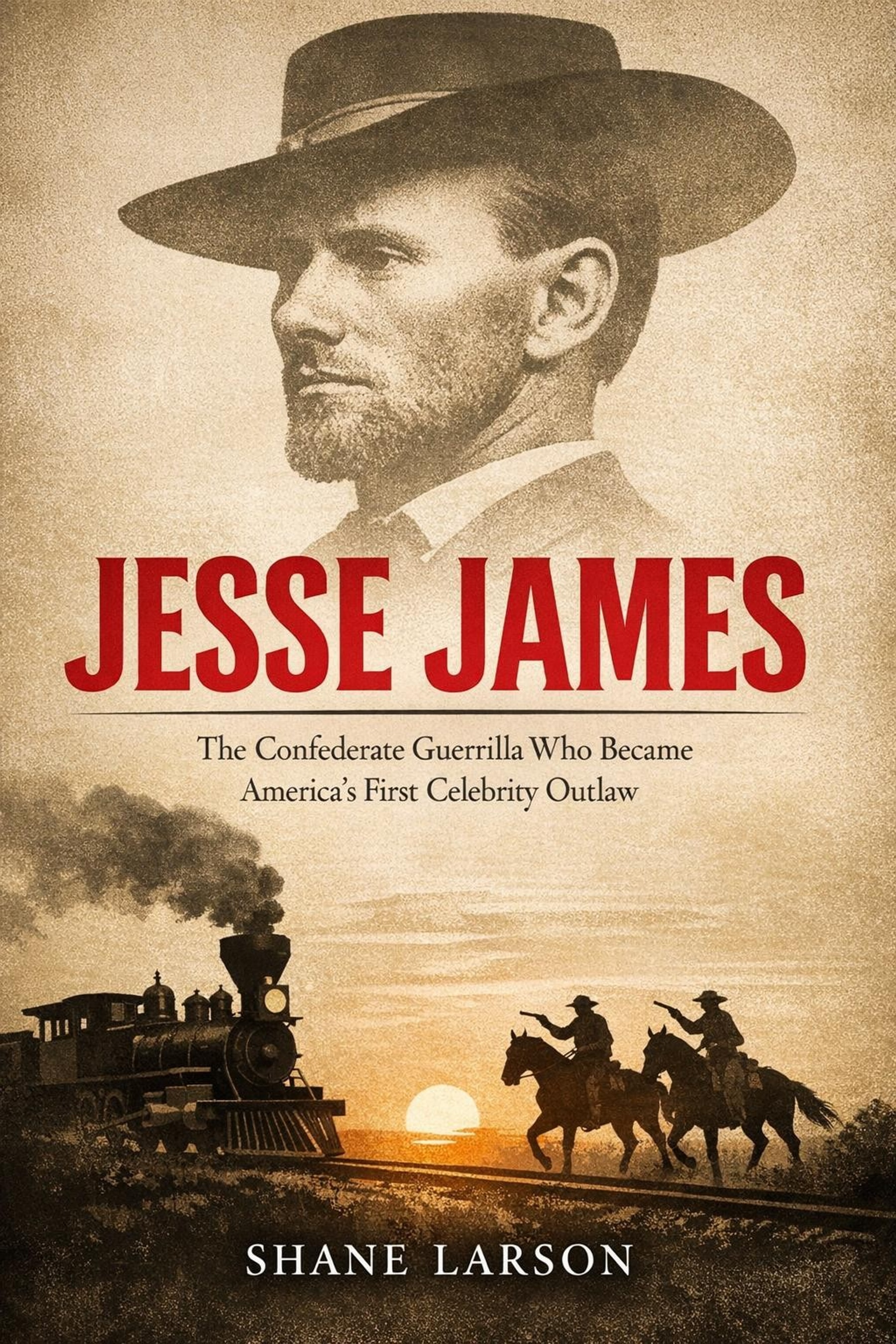
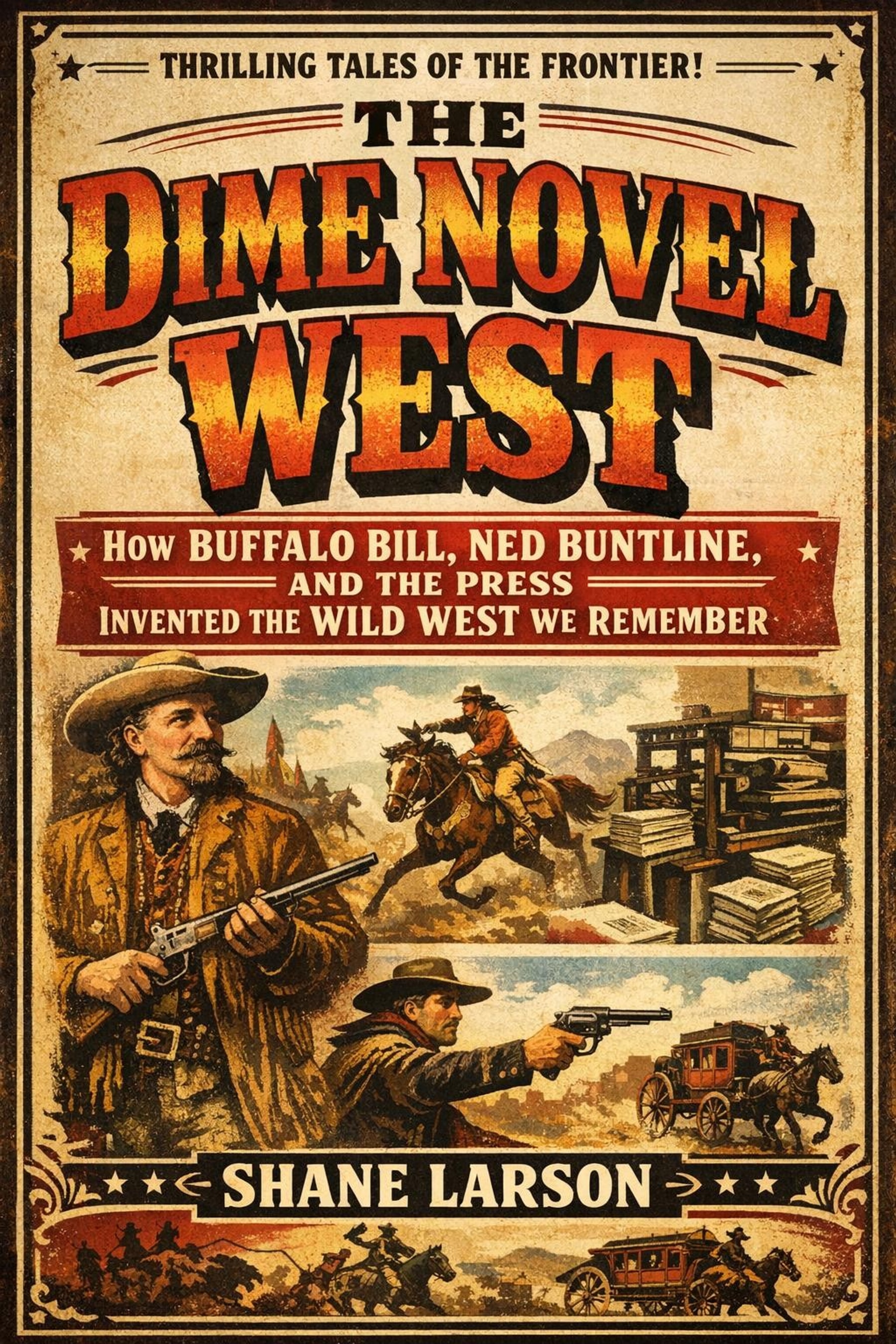
- The Dime Novel West — The print half of the same myth machine; the two books explain each other, and Buntline runs through both.
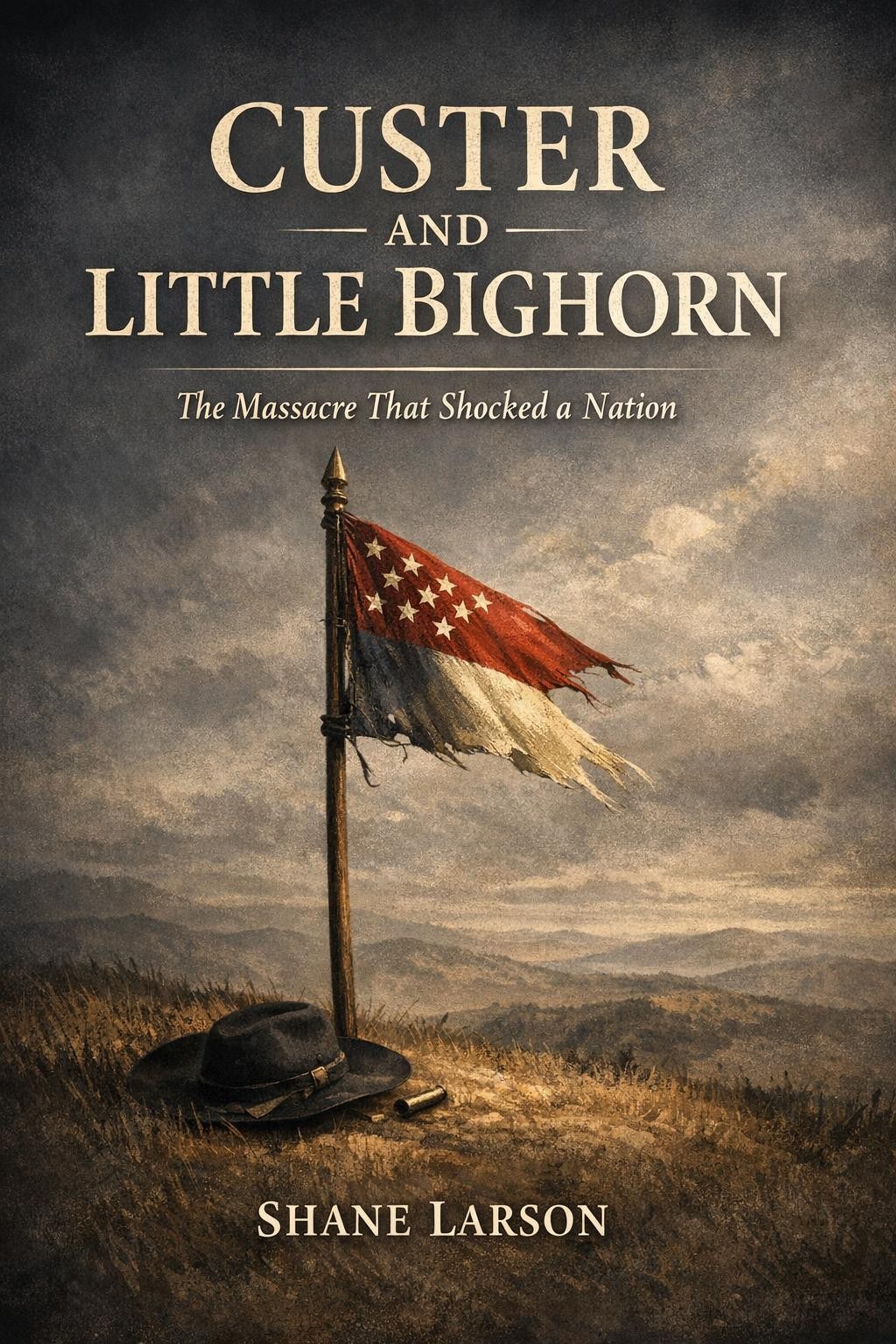
- Custer and Little Bighorn — The battle three weeks before Warbonnet Creek, and the tableau that closed Cody's programme for years.
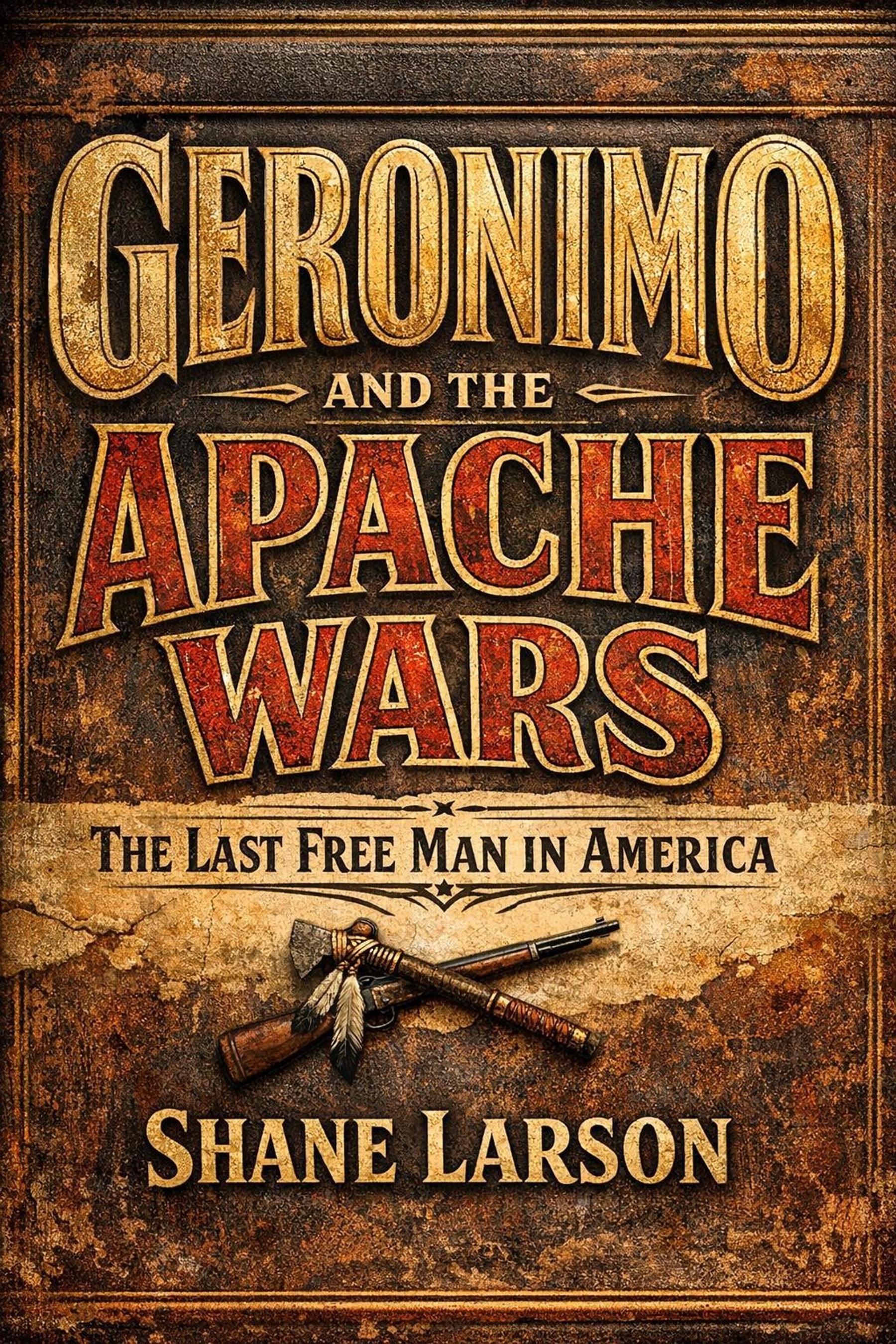
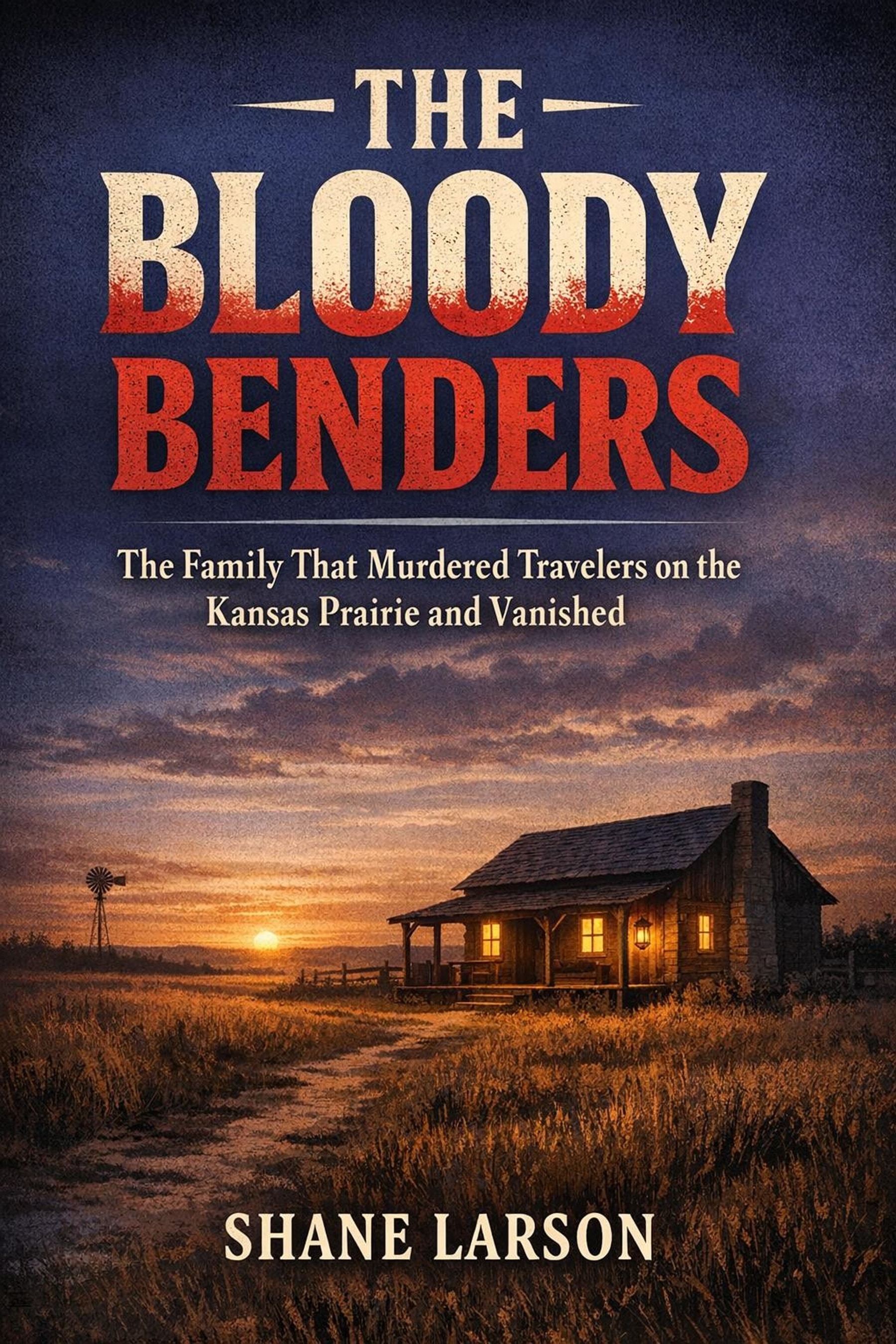
- Geronimo and the Apache Wars — Another Native leader who ended his life as an exhibition attraction, and a hard look at what that arrangement was.
- Deadwood — The gold camp behind the stagecoach act, and what the town was actually like underneath the staging.
What You'll Learn
- What actually happened at Warbonnet Creek — and how fast it became theater
- How the Kansas Pacific buffalo contract earned the name, and what the slaughter really was
- How Ned Buntline's dime novels made Cody famous before Cody controlled the story
- Sitting Bull's 1885 season: the hissing crowds, the money he gave away, and what he said about the cities
- The Show Indians — contracts, wages, government objections, and the performers' own accounts
- Chicago 1893: Cody outdrawing the World's Fair while Frederick Jackson Turner declared the frontier closed a few hundred yards away
- The direct lineage from arena staging to the Hollywood western
Included with Kindle Unlimited — read it free if you're a member.
New Wild West / American Frontier History releases and free chapters — no spam, unsubscribe anytime.
More in The Wild West Series
View series →
More in This Genre
View all →