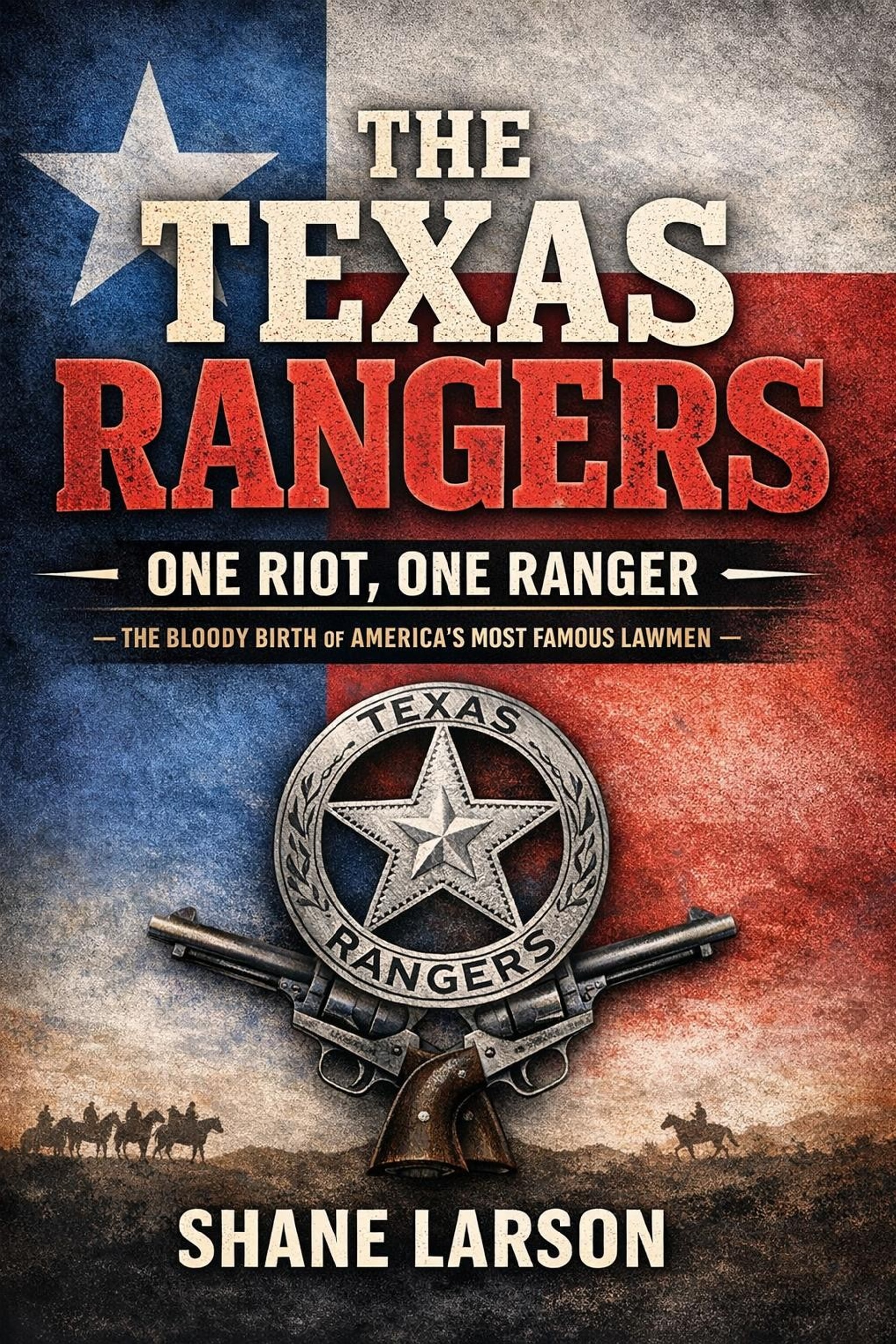
The Texas Rangers
One Riot, One Ranger — The Bloody Birth of America's Most Famous Lawmen
By Shane Larson · The Wild West Series (Book 26)
About This Book
Before dawn on a January morning in 1918, mounted men rode into the tiny farming settlement of Porvenir in the Big Bend country and pulled fifteen men and boys out of their beds. None of them was armed. When the guns stopped, all fifteen were dead in the brush along the river, and the survivors — mostly women and children — walked out of Texas and did not come back. Some of the men who did it wore the badge of the Texas Rangers.
Now hold that morning next to the other picture, the one on the tin signs and the radio serials: a single mounted lawman with a Colt and a level stare, worth a whole rioting mob by himself. One riot, one ranger. Both images belong to the same institution, and the distance between them is the subject of this book.
The Texas Rangers are the most famous lawmen in American history, and almost everything most people know about them was written by publicists. Strip the pulp away and what remains is older, stranger, and a great deal bloodier than the legend admits.
The Argument
The Rangers did not begin as police. They began in the 1820s as an irregular mounted militia raised under Stephen F. Austin — men paid in land and plunder, with no uniforms, no manuals, and no meaningful oversight, whose assignment was to take and hold territory from the Comanche and from Mexico. For roughly the first fifty years of their existence they were less a law-enforcement body than the armed edge of an expanding settler empire. That is not a slur; it is what the records describe.
Out of that history came real and consequential things. John Coffee "Jack" Hays married the five-shot Colt revolver to mounted tactics and rewrote how the frontier war against the Comanche was fought — which is why a Colt model still carries a Ranger's name. In the Mexican-American War, enemy civilians learned to call these men los diablos Tejanos, the Texas devils, and the phrase was not admiring. Later Rangers ran down genuine killers, broke up organized cattle theft, and captured gunmen like John Wesley Hardin. The courage and the effectiveness are documented, and this book does not pretend otherwise.
But the same men, and the same institution, produced La Matanza — the killing of Tejano and Mexican residents by the hundreds during the border upheavals of the Mexican Revolution — along with Porvenir and a long list of prisoners who never reached a courtroom. In 1919 a Tejano legislator named José Tomás Canales forced a state investigation that dragged the record into daylight, a reckoning the legend then spent a century working to bury. The Texas Rangers refuses the usual choice between a monument and a takedown. It rides the whole story straight, because you cannot honestly tell one half without the other.
What's Inside
- The militia origins — how "ranging" companies under Stephen F. Austin functioned as a paramilitary instrument of conquest long before anyone called them police.
- Jack Hays and the Colt — the battlefield partnership with Samuel Colt that changed mounted combat against the Comanche, and why the Walker Colt bears a Ranger's name.
- The Texas devils — how the Mexican-American War earned the Rangers a reputation for savagery that their own contemporaries recorded.
- Leander McNelly's border war — the "evaporation" of prisoners, the Las Cuevas raid across the Rio Grande, and the point where law and murder became hard to tell apart.
- The making of a slogan — where "one riot, one ranger" actually came from, and how journalists and dime novelists manufactured the brand that outlived the men.
- La Matanza and Porvenir — the documented border killings of 1915–1919 and the code of silence that shielded the men responsible.
- The Canales investigation — how one legislator compelled the State of Texas to examine what its heroes had done, and what the hearings put on the permanent record.
- Collapse and revival — why the Rangers disintegrated during Reconstruction and how the Frontier Battalion reassembled them into the force the legend remembers.
Why I Wrote This
I grew up on the same tin-sign version of the Rangers everyone else did — the lone lawman, the Colt, the impossible odds — and I assumed, the way you assume the sky is up, that it was basically history. It is not basically history. It is advertising, and once I started reading the actual congressional and state records I could not un-see the gap between the marketing and the paper trail. What got me was not that the dark chapters existed; it was how completely they had been engineered out of public memory, and how recent the deliberate forgetting was. I did not want to write a hit piece, because the courage was real and the frontier was genuinely lethal. I wanted to write the version where both the heroism and the atrocity stay in the frame, sourced, so a reader can look at the whole thing and decide what to make of it.
Frequently Asked Questions
Is this anti-Ranger?
No. It is pro-record. The book gives full weight to the Rangers' genuine courage, tactical innovation, and the real killers they stopped. It also refuses to leave out the documented atrocities. If holding both at once reads as hostile, that says more about the legend than about the history.
Do I need to know Texas history to follow it?
Not at all. The book explains the Comanche wars, the Texas Revolution, the Mexican-American War, and the border troubles as it goes. It assumes curiosity, not a background.
How graphic is the violence?
The frontier violence and the border killings are described plainly because sanitizing them would falsify the record, but the aim is documentation, not spectacle. This is history writing, not true-crime sensationalism.
Is this a narrative history or an academic study?
A narrative history built on primary sources — court records, the Canales hearing transcripts, contemporary accounts. It reads as story, but the claims are anchored to the documents, and the disputed points are flagged as disputed.
Does it connect to the outlaw histories?
Yes. The Rangers cross paths with figures like John Wesley Hardin, and the borderlands story sits alongside the wider frontier record. It stands alone, but it rhymes with the other Wild West books.
If You Liked This, You Might Like
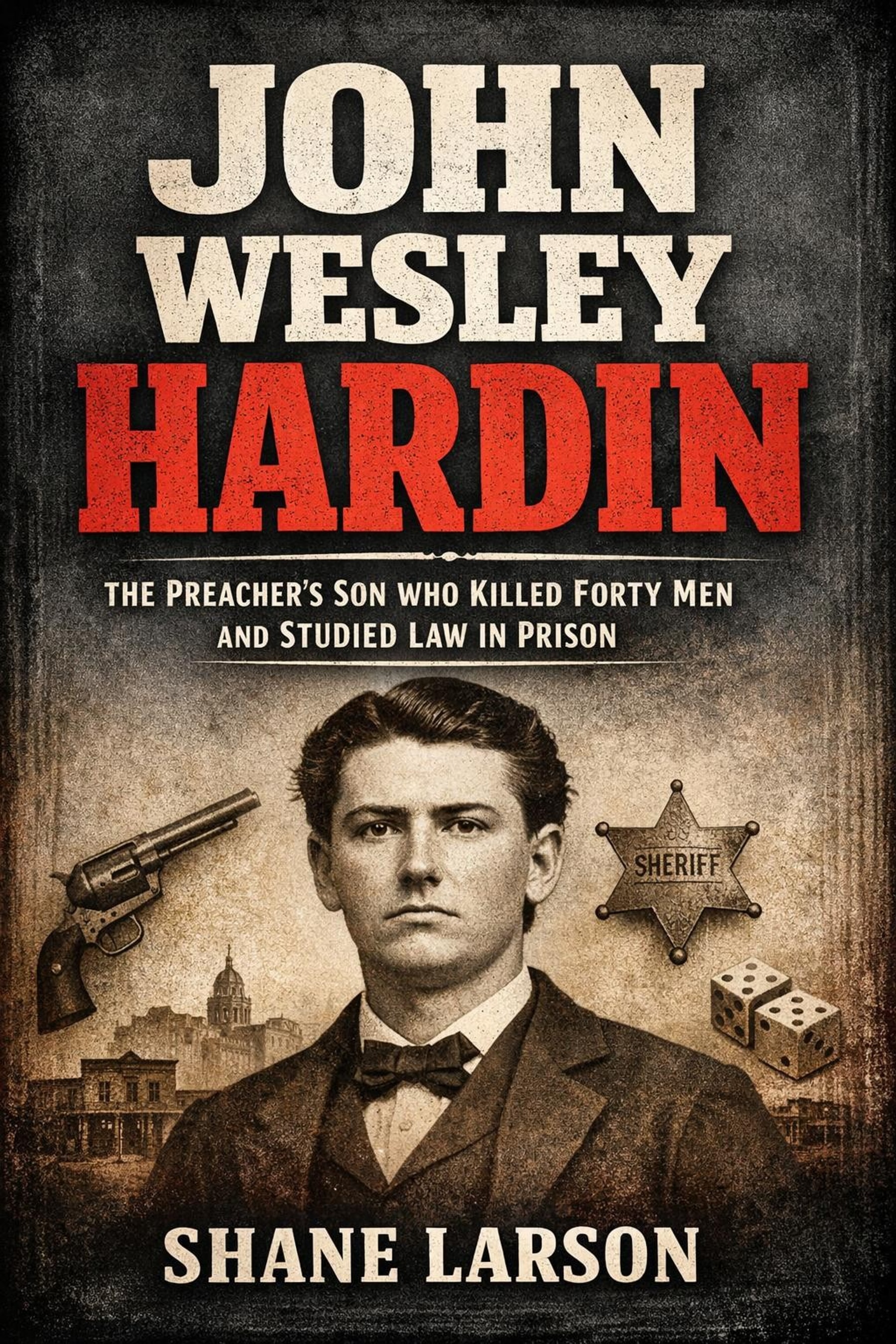
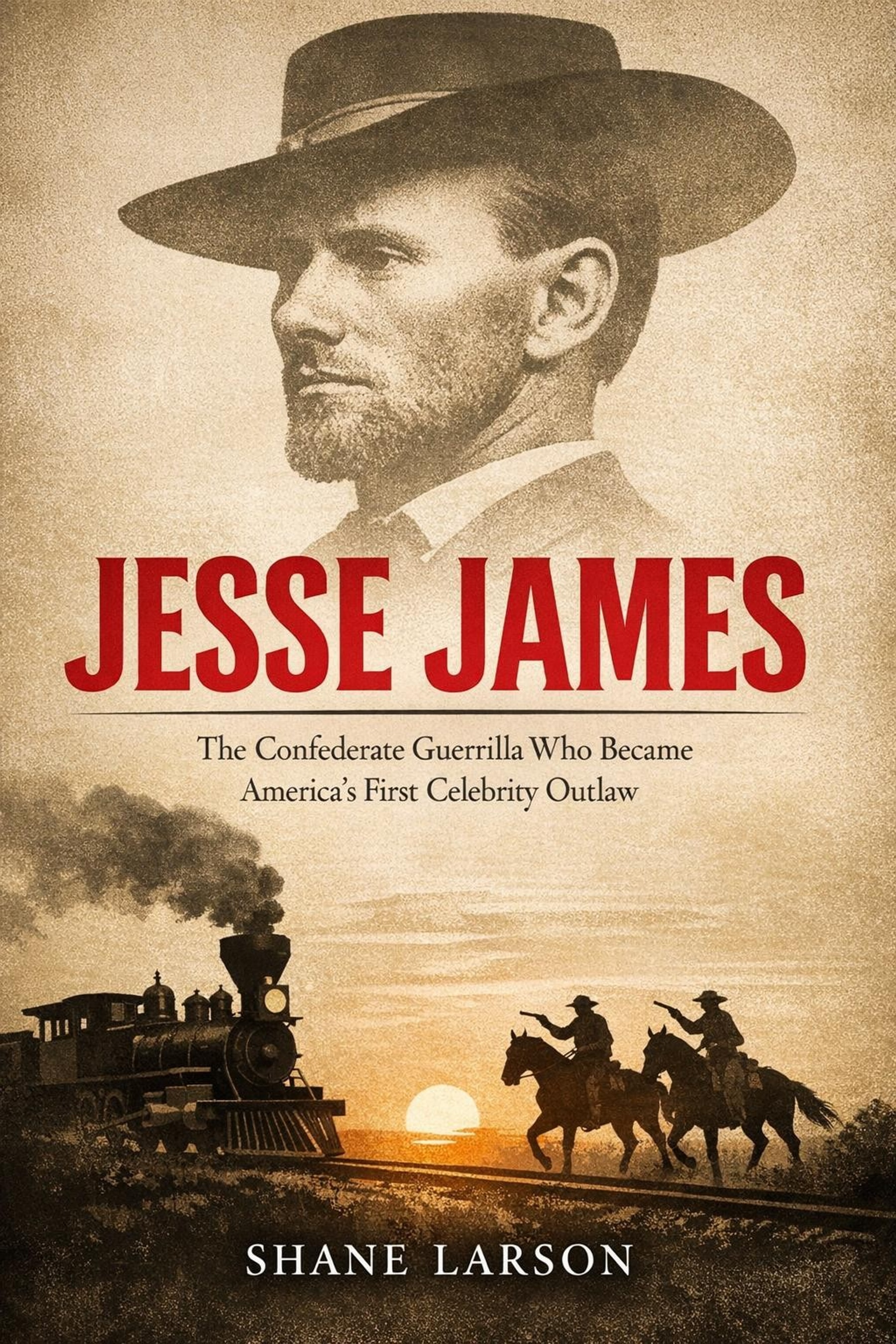
- John Wesley Hardin — the deadliest gunman the Rangers ever ran down, told from the outlaw's side of the same manhunt.
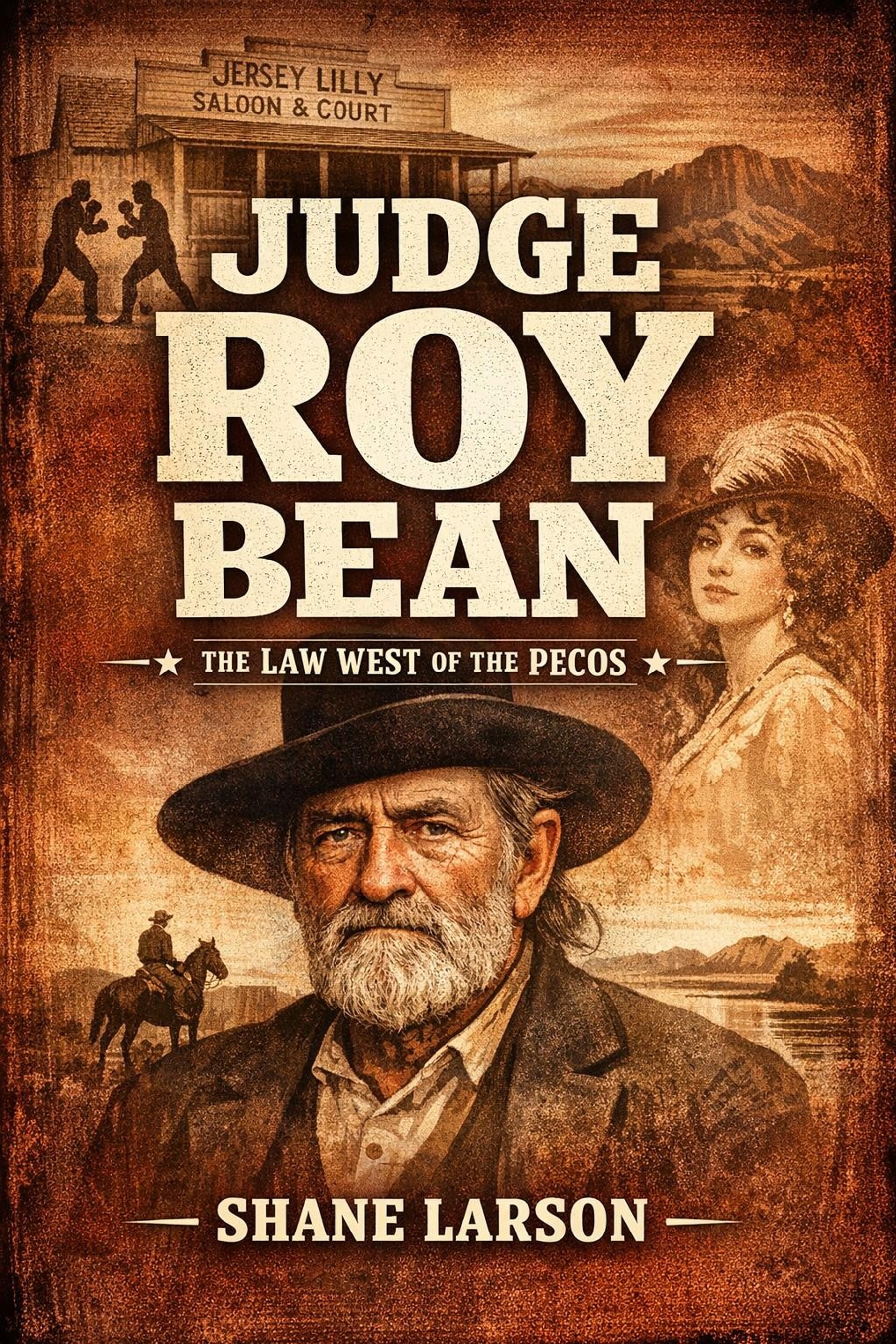
- Judge Roy Bean — frontier "justice" in the same Texas borderlands, where the performance of law often outran the substance of it.
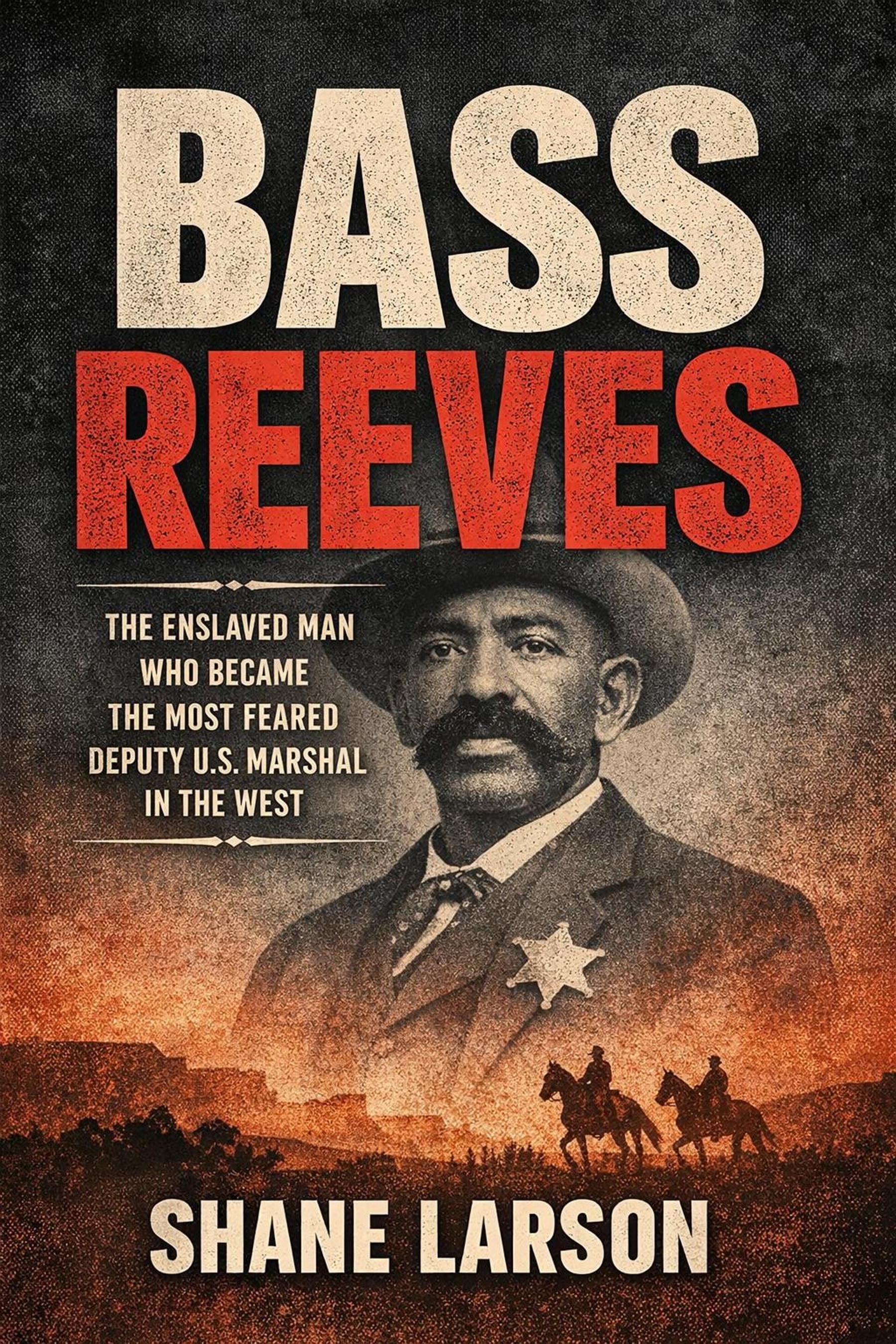
- Bass Reeves — a lawman whose documented record needed no myth-making, a useful counterweight to the manufactured Ranger legend.
The publicist's Ranger and the man in the saddle were never the same person. This is the man in the saddle — brave, effective, and lethal — laid out from the record, with the verdict left to you.
Part of The Wild West series from Peak Grizzly Publishing.
What You'll Learn
- How "ranging" companies under Stephen F. Austin functioned as a paramilitary instrument of conquest long before anyone called them police
- The battlefield partnership between Jack Hays and Samuel Colt that changed mounted combat against the Comanche — and why the Walker Colt bears a Ranger's name
- How the Mexican-American War earned the Rangers the name los diablos Tejanos, recorded by their own contemporaries
- Leander McNelly's border war: the "evaporation" of prisoners, the Las Cuevas raid across the Rio Grande, and the point where law and murder became hard to tell apart
- Where "one riot, one ranger" actually came from, and how journalists and dime novelists manufactured the brand that outlived the men
- La Matanza and Porvenir — the documented border killings of 1915–1919 and the code of silence that shielded the men responsible
- How José Tomás Canales compelled the State of Texas to examine what its heroes had done, and what the 1919 hearings put on the permanent record
- Why the Rangers disintegrated during Reconstruction and how the Frontier Battalion reassembled them into the force the legend remembers
Included with Kindle Unlimited — read it free if you're a member.
New Wild West / American Frontier History releases and free chapters — no spam, unsubscribe anytime.
More in The Wild West Series
View series →
More in This Genre
View all →